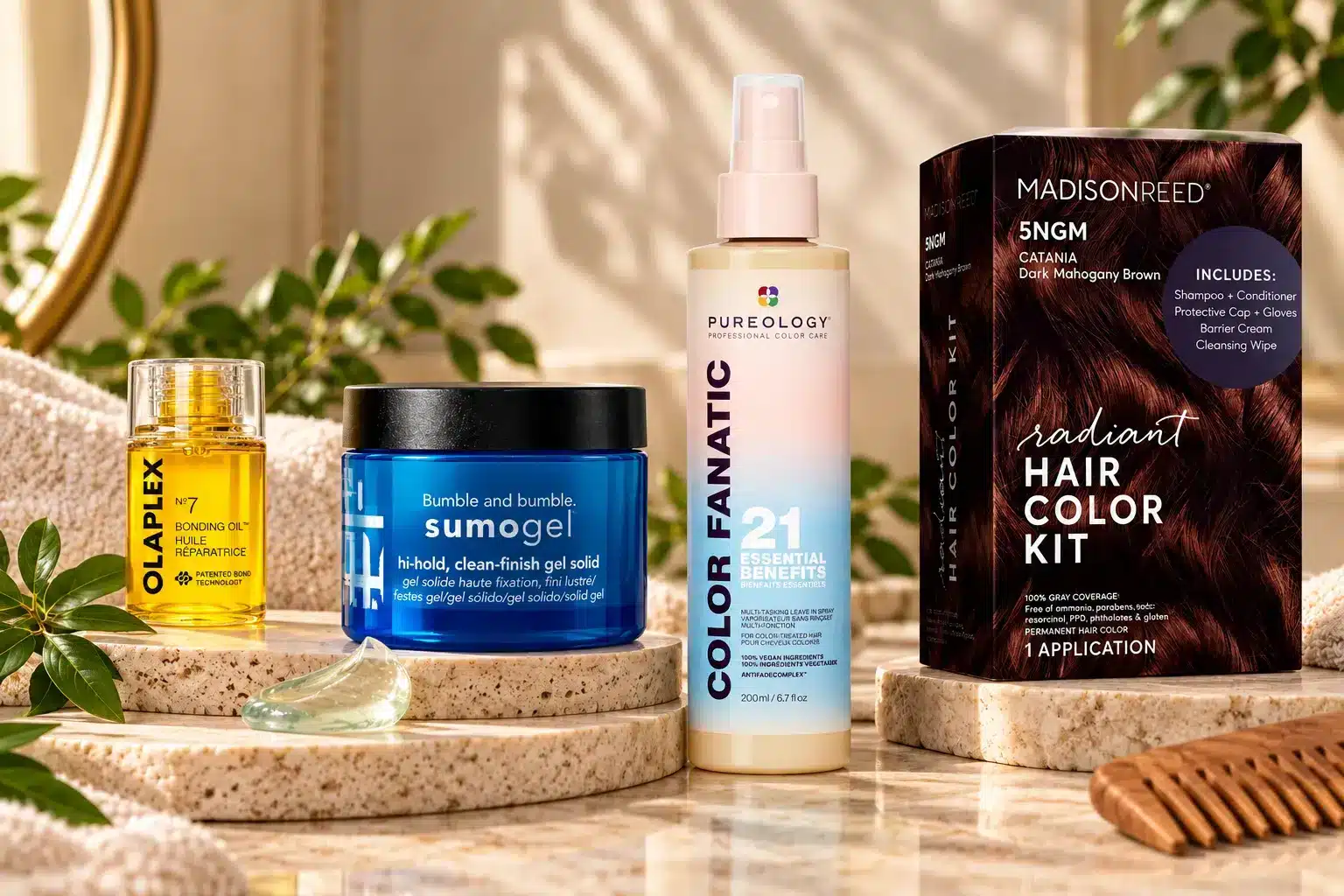
Hair-care vocabulary becomes confusing when scalp terms, strand terms, treatment claims, styling language, and texture labels are treated as though they all describe the same thing. Shampoo, conditioner, mask, leave-in, oil, serum, mousse, gel, scrub, heat protectant, and pre-shampoo each occupy different parts of the routine.
I separate scalp condition from hair-fiber condition first. The scalp can be oily, dry, flaky, sensitive, or buildup-prone while the lengths can be porous, color-treated, heat-damaged, fine, coarse, curly, straight, or simply dry at the ends. One label rarely explains both zones.
I also distinguish moisture, protein, bond care, softness, strength, elasticity, and repair. Those words overlap in marketing, but they point to different cosmetic goals. Hair fiber is non-living tissue, so repair language should be read as improving appearance, strength, manageability, breakage resistance, or surface condition rather than biological healing.
Styling language has its own grammar. Hold, cast, crunch, volume, root lift, frizz control, smoothing, heat protection, detangling, shine, and definition describe different parts of the finished result. A product can excel at one and do very little for another.
The 15 examples below cover cleansing, conditioning, masks, oils, styling, scalp care, bond care, pre-shampoo treatment, heat protection, and multi-use formulas.
My Top Three Hair-Care Glossary Examples
K18
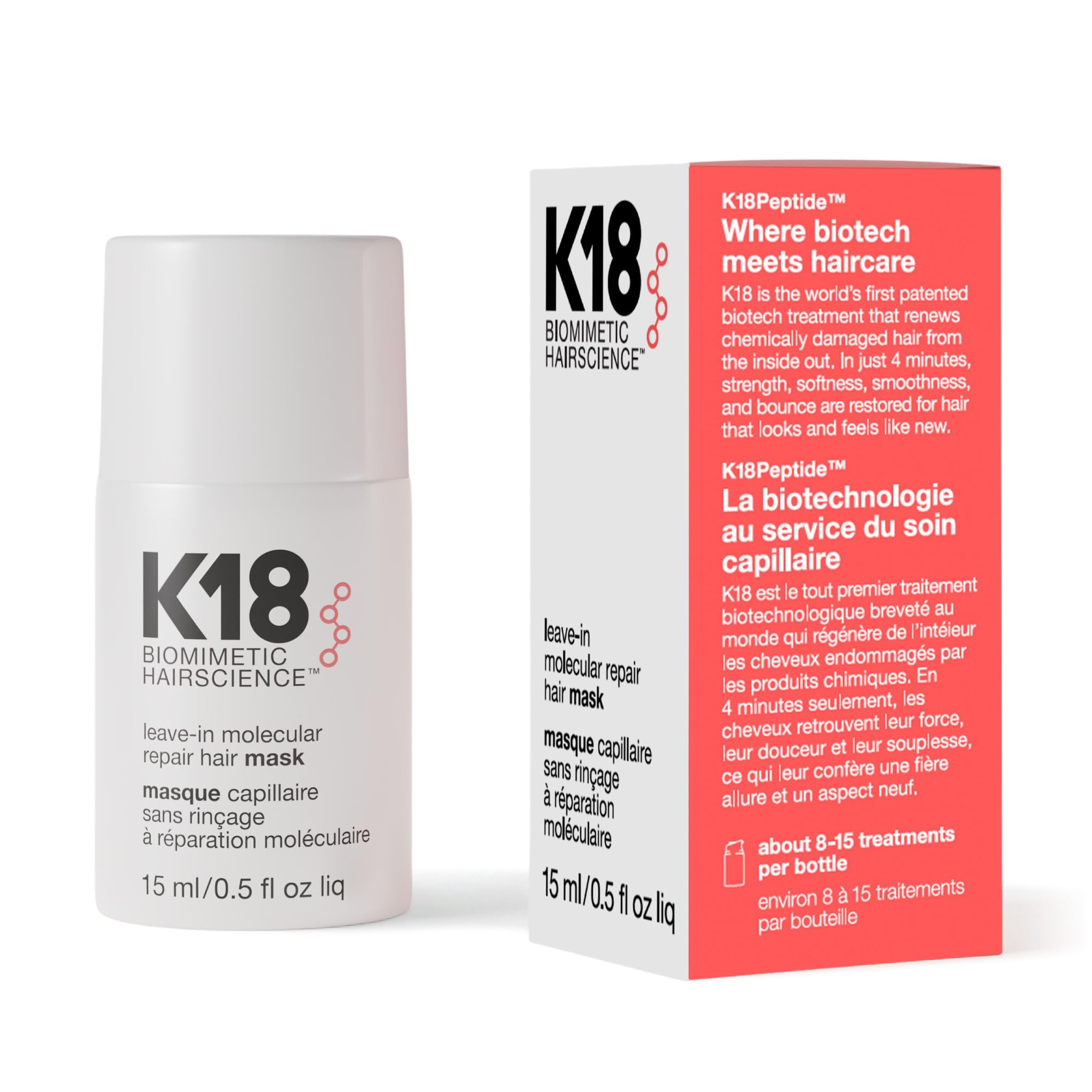
K18 Leave-In Molecular Repair Hair Mask
- A leave-in repair mask that helps define mask, leave-in, treatment, damage, and repair language
- Leave-in repair hair mask
- Understanding how a leave-in mask differs from a rinse-out mask and ordinary conditioner
- I follow the directions exactly because a leave-in repair mask is not used like a conventional rinse-out deep conditioner.

Olaplex
No.7 Bonding Hair Oil, High Shine and Frizz Control
- A bonding hair oil that makes oil, serum, shine, frizz control, and bond-care terminology easy to separate
- Leave-in hair oil
- Learning how finishing oils differ from conditioners, serums, and masks
- I start with a very small amount because oil dosage changes softness, shine, and weight more than the category name suggests.
Bumble and bumble
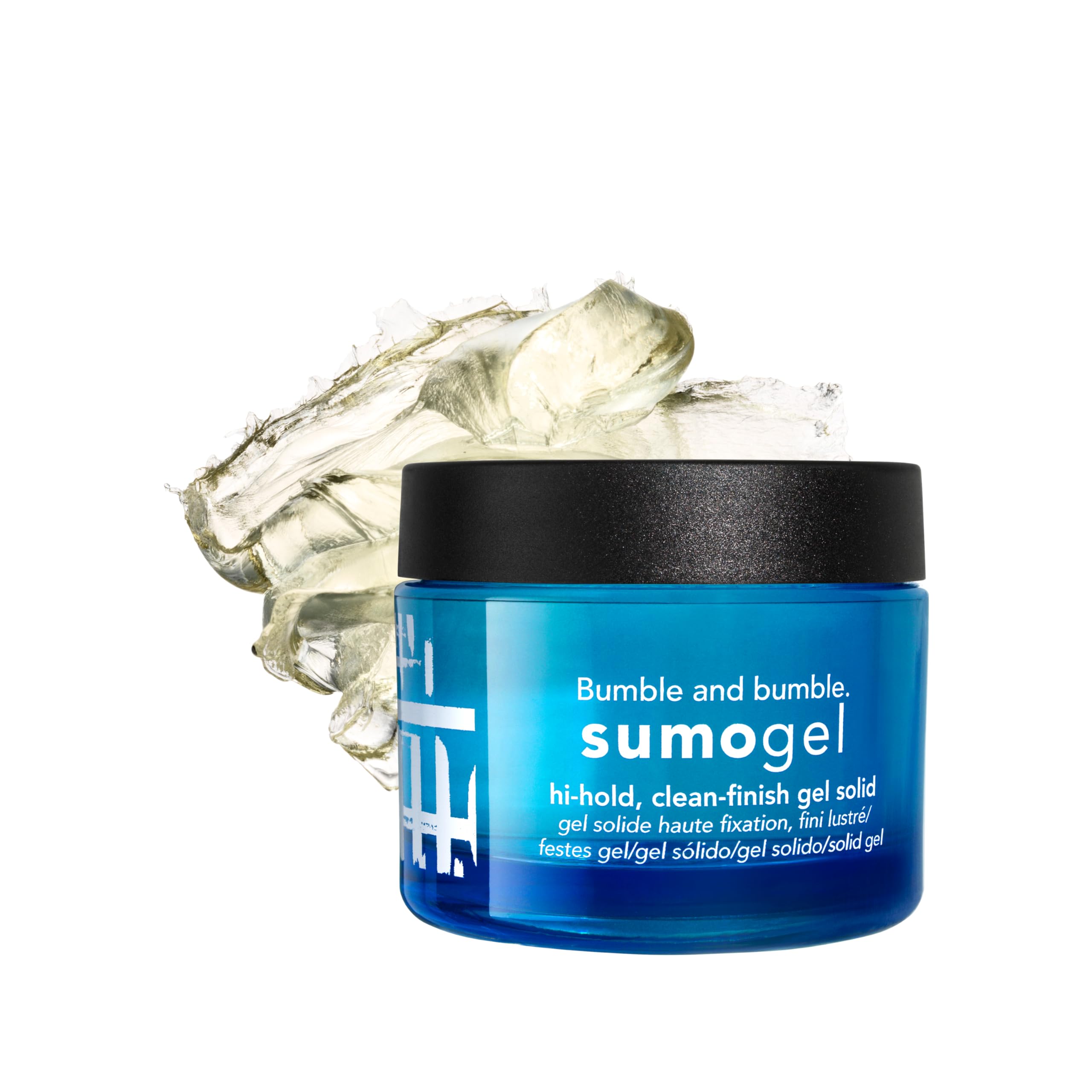
Bumble and bumble. Sumogel Hi-Hold Styling Hair Gel
- A high-hold styling gel that anchors hold, cast, crunch, definition, slick-back, and styling-residue vocabulary
- High-hold styling gel
- Understanding what hold level means and how a gel differs from mousse, cream, pomade, and spray
- I separate desired hold from unwanted stiffness and judge whether the cast can be softened or remains heavy.
Luxury Beauty Glossary: Hair-Care Terms Explained at a Glance
K18
1. K18 Leave-In Molecular Repair Hair Mask
- Best For: Understanding how a leave-in mask differs from a rinse-out mask and ordinary conditioner
- Format: Leave-in repair hair mask
- Glossary role: A leave-in repair mask that helps define mask, leave-in, treatment, damage, and repair language
- Watch: I follow the directions exactly because a leave-in repair mask is not used like a conventional rinse-out deep conditioner.
Olaplex
2. No.7 Bonding Hair Oil, High Shine and Frizz Control
- Best For: Learning how finishing oils differ from conditioners, serums, and masks
- Format: Leave-in hair oil
- Glossary role: A bonding hair oil that makes oil, serum, shine, frizz control, and bond-care terminology easy to separate
- Watch: I start with a very small amount because oil dosage changes softness, shine, and weight more than the category name suggests.
Bumble and bumble
3. Bumble and bumble. Sumogel Hi-Hold Styling Hair Gel
- Best For: Understanding what hold level means and how a gel differs from mousse, cream, pomade, and spray
- Format: High-hold styling gel
- Glossary role: A high-hold styling gel that anchors hold, cast, crunch, definition, slick-back, and styling-residue vocabulary
- Watch: I separate desired hold from unwanted stiffness and judge whether the cast can be softened or remains heavy.
Davines
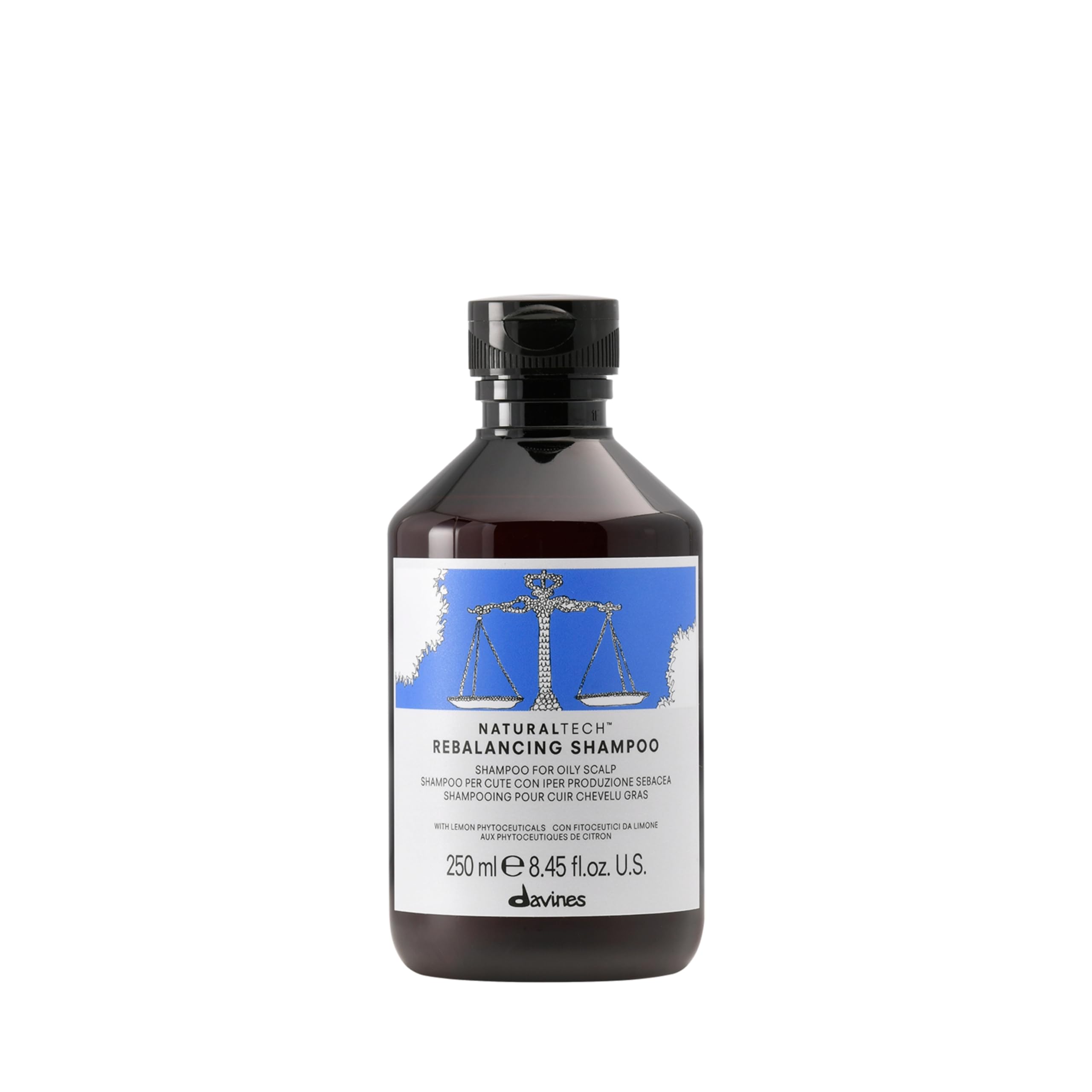
4. Naturaltech Rebalancing Shampoo, to combat excess scalp oil production
- Best For: Learning the difference between oily scalp and dry hair lengths
- Format: Scalp-balancing shampoo
- Glossary role: A rebalancing shampoo for excess scalp oil that helps define oily scalp, sebum, balancing, cleansing, and scalp-focused care
- Watch: I treat the scalp and lengths as separate zones because oily roots do not automatically mean the ends need stronger cleansing.

5. Color Wow Dream Filter Pre-Shampoo Mineral Remover
- Best For: Understanding why some treatments are used before shampoo rather than after it
- Format: Pre-shampoo mineral remover
- Glossary role: A mineral-removing pre-shampoo that anchors pre-shampoo, buildup, hard water, mineral deposits, and chelating-style terminology
- Watch: I use mineral-removing care periodically rather than assuming every wash needs an extra clarifying step.

Briogeo
6. Scalp Revival Charcoal + Coconut Oil Micro-Exfoliating Shampoo
- Best For: Learning how scalp exfoliation differs from ordinary shampooing
- Format: Scalp micro-exfoliating shampoo
- Glossary role: A micro-exfoliating scalp shampoo that makes scalp scrub, exfoliation, buildup, flakes, detox, and clarifying language practical
- Watch: I avoid aggressive frequency because exfoliation is a treatment function, not proof that the scalp needs stronger cleansing every day.
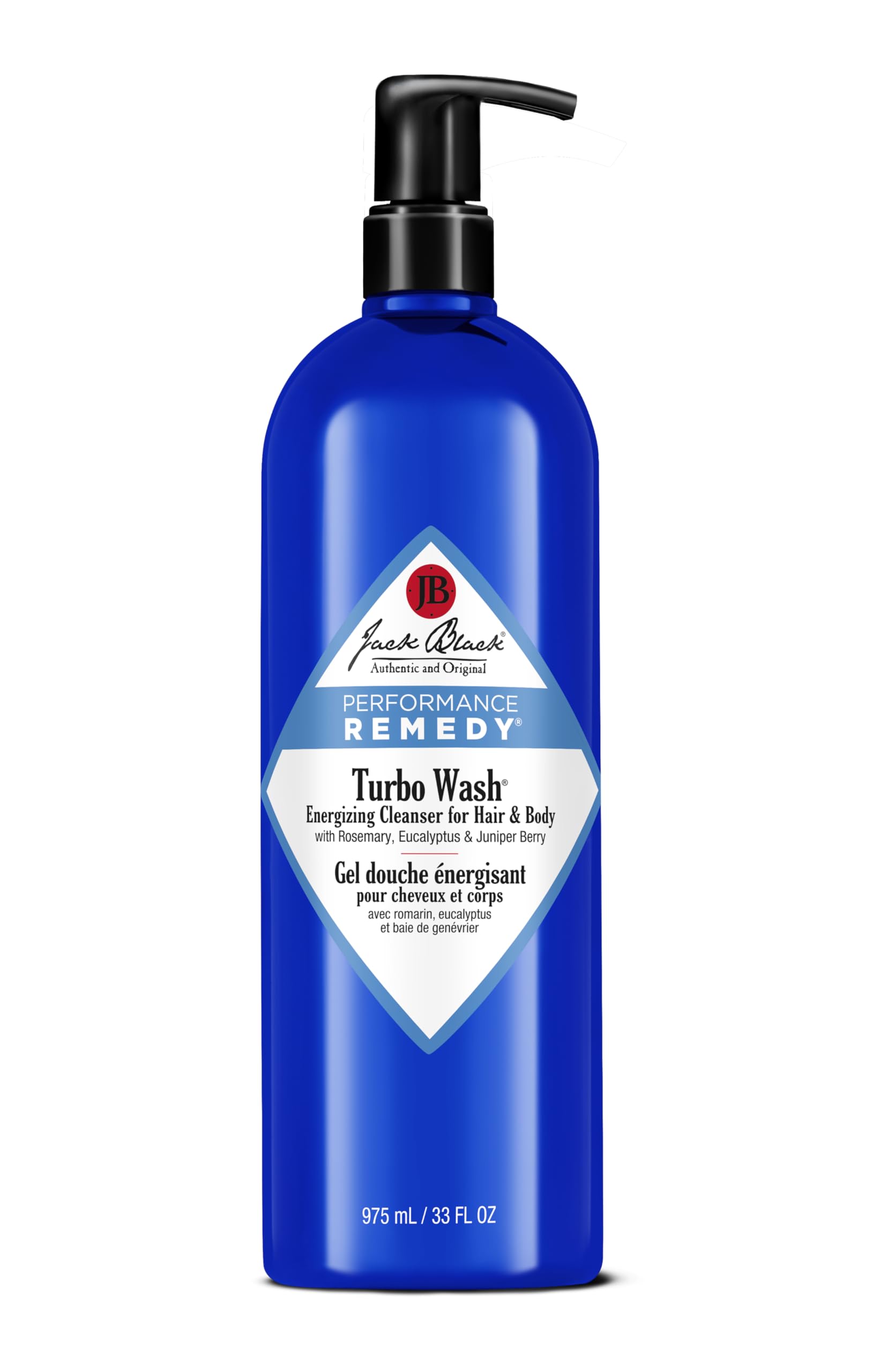
Jack Black
7. Body & Hair Cleanser
- Best For: Understanding when a multi-use cleanser replaces two products and when separate formulas may still be preferable
- Format: Body and hair cleanser
- Glossary role: A combined body-and-hair cleanser that helps define 2-in-1, multi-use, shampoo, body wash, and convenience terminology
- Watch: I judge the scalp and body separately because a convenient 2-in-1 can feel balanced in one area and too cleansing in another.
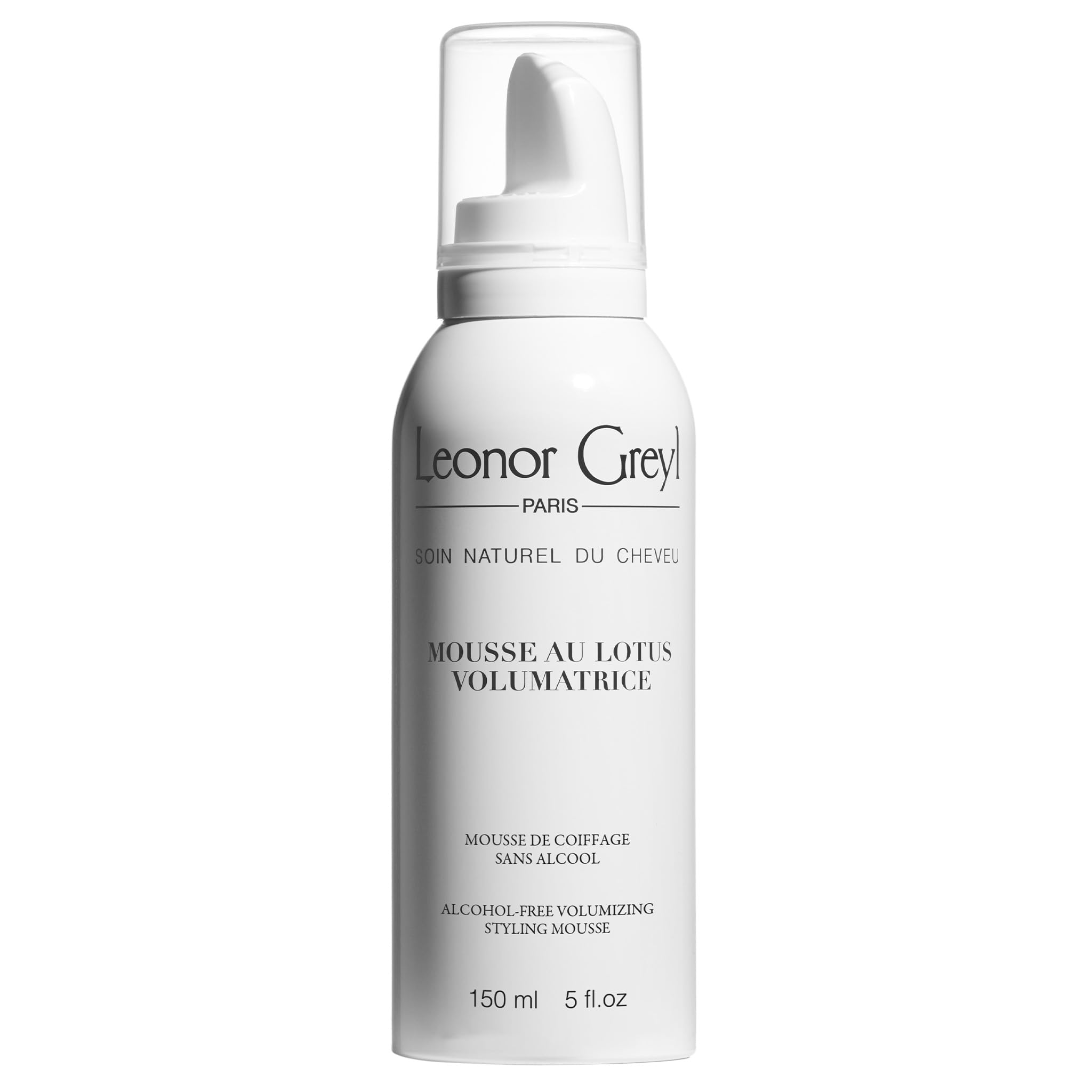
Leonor Greyl
8. Mousse au Lotus Volumatrice Alcohol-Free Volumizing Styling Mousse
- Best For: Learning how mousse creates body differently from gel, cream, and spray
- Format: Volumizing styling mousse
- Glossary role: A volumizing styling mousse that anchors mousse, foam, volume, root lift, airy hold, and alcohol-free terminology
- Watch: I distribute mousse evenly because concentrating foam at one spot can create stiffness without giving balanced volume.
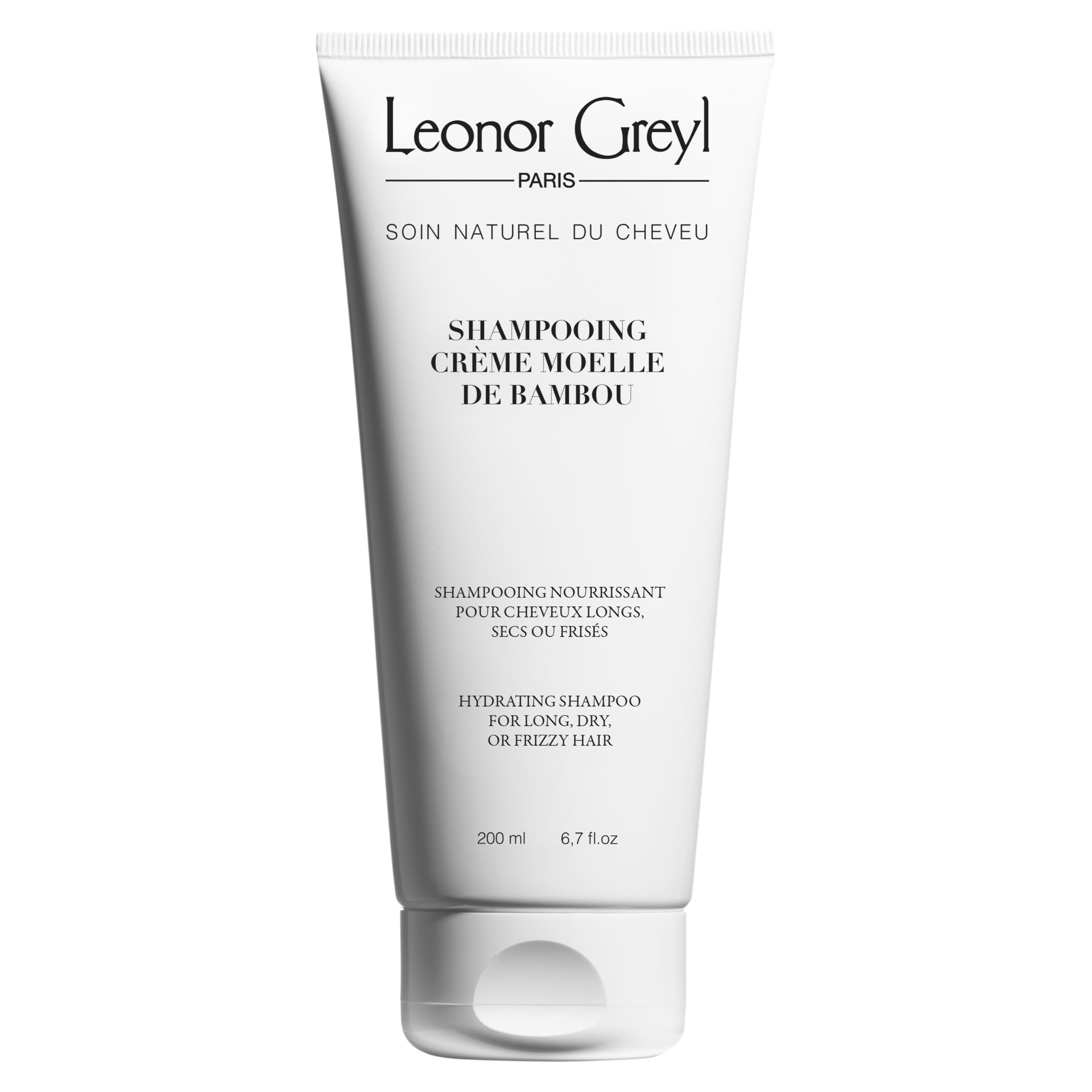
Leonor Greyl
9. Shampooing Crème Moelle de Bambou Shampoo
- Best For: Understanding why shampoo can be creamy without becoming conditioner
- Format: Cream shampoo
- Glossary role: A cream shampoo that makes shampoo texture, cream cleanser, nourishing, lather, and moisture-balance terminology easy to compare
- Watch: I judge rinse feel and scalp cleanliness separately from how rich the texture feels in my hands.
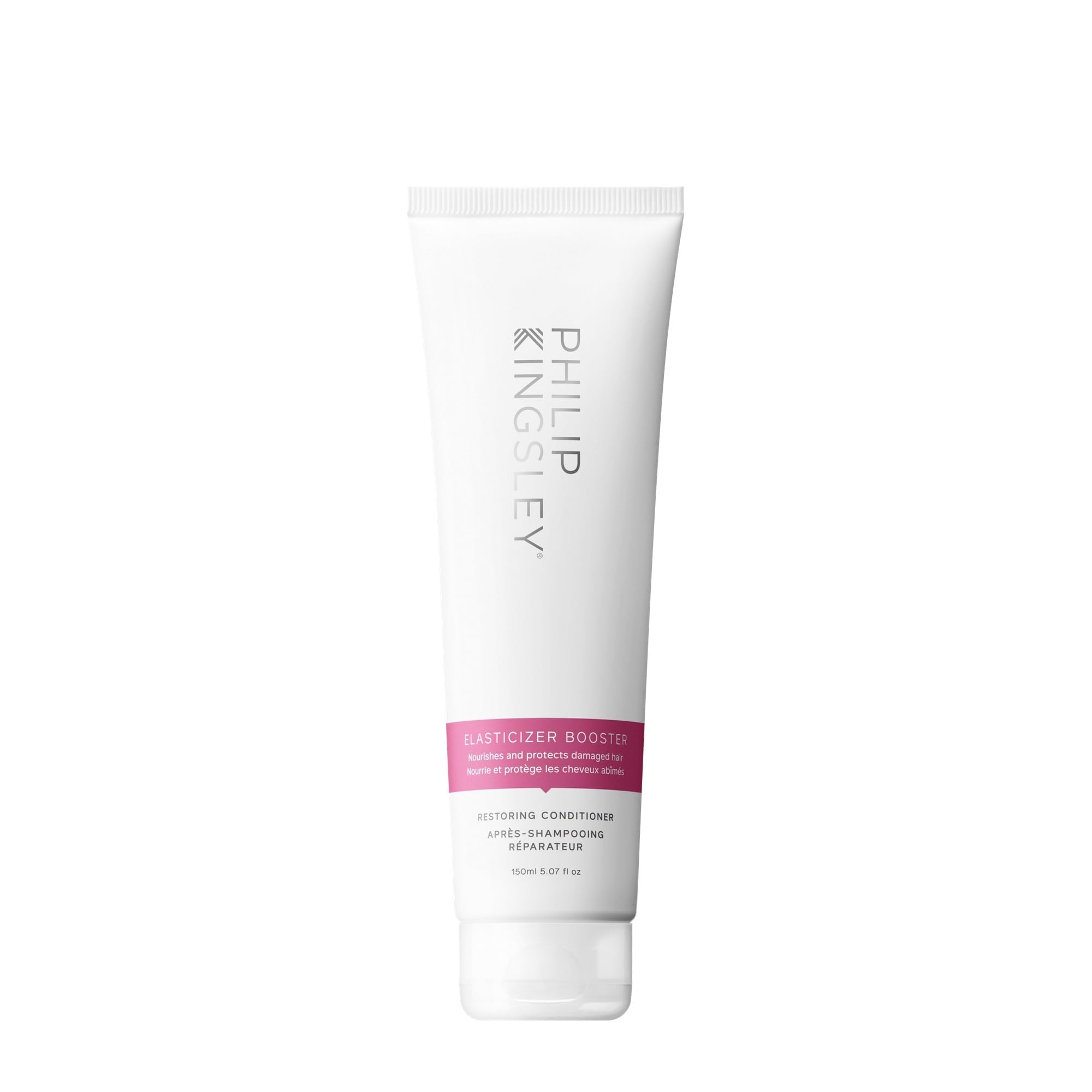
Philip Kingsley
10. – Elasticizer Booster Conditioner – 5.07fl oz
- Best For: Learning how conditioner differs from mask, leave-in, and pre-shampoo treatment
- Format: Conditioning booster
- Glossary role: A conditioner booster that anchors conditioner, rinse-out care, elasticity, slip, detangling, and booster terminology
- Watch: I focus conditioner on lengths and ends unless the directions specifically support scalp application.

Philip Kingsley
11. – Moisture Balancing Combination Shampoo – 8.45fl oz
- Best For: Understanding combination hair and why scalp condition and strand condition can differ
- Format: Moisture-balancing shampoo
- Glossary role: A moisture-balancing shampoo that helps define combination hair, root oiliness, dry lengths, balancing, and cleansing frequency
- Watch: I choose wash frequency from scalp need rather than stretching or increasing washes only because the lengths feel dry.

R+Co
12. TELEVISION Perfect Hair Shampoo, 2.0 Oz
- Best For: Understanding what a standard shampoo does compared with clarifying, purple, scalp-exfoliating, and bond-care shampoos
- Format: Regular shampoo
- Glossary role: A regular shampoo that makes standard cleansing, frequency, hair type, and routine consistency easy to explain
- Watch: I do not assume aspirational positioning means one shampoo works identically for every scalp and texture.

Redken
13. Acidic Bonding Concentrate Shampoo
- Best For: Learning how bond-focused hair care differs from simple hydration or protein language
- Format: Bond-care shampoo
- Glossary role: A bond-focused shampoo that anchors bond repair, damaged hair, acidic care, breakage, and strengthening terminology
- Watch: I keep bond-care claims in cosmetic hair-care context and judge reduced breakage, feel, and manageability rather than assuming damaged fiber becomes biologically healed.

Redken
14. All Soft Shampoo
- Best For: Understanding how cleansing can be positioned for softness without becoming a conditioner
- Format: Softening shampoo
- Glossary role: A softening shampoo that helps define softness, conditioning feel, dry hair, slip, and nourishing terminology
- Watch: I compare softness after the full wash routine because shampoo, conditioner, water quality, and styling all influence the final feel.

Pureology
15. Pureology Color Fanatic Multi-Tasking Leave-In Spray, 21 Benefits
- Best For: Learning how one leave-in product can combine conditioning and styling-prep roles
- Format: Multi-tasking leave-in spray
- Glossary role: A multitasking leave-in spray that anchors leave-in conditioner, detangler, heat protectant, multi-benefit, and styling-prep terminology
- Watch: I use only enough to improve detangling and prep because multi-benefit language does not mean I need a heavy layer.
Luxury Beauty Glossary: Hair-Care Terms Explained Detailed Review
1. K18 Leave-In Molecular Repair Hair Mask
K18 Leave-In Molecular Repair Hair Mask is the glossary example I would start with because the name combines three terms people often blur together: leave-in, mask, and repair. A leave-in stays on the hair after application; a traditional mask is usually a more intensive treatment; repair describes the intended cosmetic effect on damaged fiber.
I do not use a leave-in mask like a rinse-out conditioner. Application order, amount, and whether the hair is towel-dried first can change the result, so the directions matter more than the word mask by itself.
I also keep damaged hair in cosmetic context. Hair fiber is not living tissue, so repair in hair care usually means improving strength, feel, appearance, breakage resistance, or manageability rather than biologically healing the strand.
K18
Leave-in, mask, damage, and repair terminology in one product
K18 Leave-In Molecular Repair Hair Mask
This is the example I would use to teach that treatment intensity and rinse behavior are separate ideas.
The category only becomes clear when I know whether the product stays in the hair, where it is applied, and which other steps it replaces.
Price on AmazonLeave-In Mask, Damage & Repair Terms
- Leave-in products remain on the hair after application
- Hair masks are intensive treatment formats
- Rinse-out and leave-in masks are used differently
- Repair is a cosmetic hair-fiber claim
- Damage can come from heat, chemical processing, friction, or weathering
- Application amount strongly affects feel and weight
Breakage, Softness & 30-Day Leave-In Fit
Pros
- Excellent glossary anchor
- Clarifies leave-in versus rinse-out care
- Useful for damage and repair language
- Makes application order part of the definition
Cons
- Repair wording can be overinterpreted
- Too much leave-in can weigh hair down
- Mask does not always mean richer texture
- Results depend on the rest of the routine
My 30-day evaluation framework: I would keep shampoo and styling consistent and track detangling, breakage during handling, softness, and whether the leave-in amount needs adjusting by hair density.
My Verdict on K18 Hair-Care Vocabulary
This is my Best Overall example because it forces me to separate format, rinse behavior, treatment role, and claim language before judging the product.
2. No.7 Bonding Hair Oil, High Shine and Frizz Control
Olaplex No. 7 Bonding Oil gives me the right place to define hair oil, finishing oil, serum-like oil, shine, frizz control, and bond-care language. An oil is a leave-in texture category; a finishing oil is typically used in small amounts to smooth and add polish.
I separate oil from conditioner. Conditioner is usually a rinse-out step after shampoo, while an oil is often left in and used on mid-lengths and ends before or after styling.
I also use bond language cautiously. Bond-care products are designed around the appearance and performance of damaged hair fiber, but I still judge softness, breakage, manageability, and finish rather than treating the word bond as a universal strength score.
Olaplex
Hair oil, finishing oil, shine, frizz, and bond-care terms
No.7 Bonding Hair Oil, High Shine and Frizz Control
I would choose this example when a lightweight finishing product is being confused with deep conditioning.
The practical difference is dose and routine position: a few drops of oil can polish hair without serving the same role as a conditioner.
Price on AmazonHair Oil, Shine, Frizz & Bond Terms
- Hair oil is a leave-in texture category
- Finishing oils are commonly used in small amounts
- Shine describes reflected light from the hair surface
- Frizz describes hairs lifting or separating from the intended pattern
- Bond care is a damage-focused product category
- Mid-lengths and ends often need less product than the scalp
Dose, Weight & 30-Day Finishing-Oil Use
Pros
- Clear oil glossary example
- Useful bond-care terminology
- Makes shine and frizz language practical
- Easy to distinguish from rinse-out conditioner
Cons
- Oil can weigh fine hair down
- Shine does not equal repair
- Bond language can dominate the buying decision
- Over-application can make hair look greasy
My 30-day evaluation framework: I would start with the smallest useful dose and compare dry-end feel, shine, flyaways, and whether the hair loses volume after repeated use.
My Verdict on Olaplex Oil Vocabulary
This is my Best Hair Oil example because the category is simple, but the words around it—bonding, shine, frizz control—need to be read separately.
3. Bumble and bumble. Sumogel Hi-Hold Styling Hair Gel
Bumble and bumble Sumogel Hi-Hold Styling Hair Gel anchors styling vocabulary. Gel is a styling category that provides control and hold; high hold describes stronger styling support, not necessarily more shine or more moisture.
A gel can create a cast, meaning a firm shell or set around the hair as it dries. In curl styling, some people soften or scrunch out that cast later; in slicked styles, the firmness may be part of the intended finish.
I also separate crunch from hold. Crunch is an undesirable stiff feel when the set remains rigid; hold is simply the ability to maintain the intended shape.
Bumble and bumble
Gel, hold, cast, crunch, and style memory explained
Bumble and bumble. Sumogel Hi-Hold Styling Hair Gel | Strong, Flexible Hold for Sculpted Styles | Hi-shine Finish | For Short to Medium Styles of All Hair Types, 1.5 Ounce
I would use this whenever someone treats all styling products as interchangeable.
Gel mainly answers the question of control and shape retention; mousse, cream, wax, pomade, and spray create different combinations of control and finish.
Price on AmazonGel, Hold, Cast & Crunch Terms
- Gel is a styling product category
- Hold describes style retention
- High hold means stronger control positioning
- Cast is a set film around the hair
- Crunch describes unwanted persistent stiffness
- Style memory refers to how well the shape remains through wear
Set, Flaking & 30-Day Styling-Gel Wear
Pros
- Strong styling glossary anchor
- Makes hold language easy to understand
- Useful for curl and slicked-style vocabulary
- Separates function from finish
Cons
- High hold can feel stiff
- Too much gel can flake or build up
- Different hair textures need different amounts
- Strong hold is unnecessary for every style
My 30-day evaluation framework: I would compare a small and moderate amount, tracking set time, flaking, restyling, and how much hold remains after brushing or touching the hair.
My Verdict on Sumogel Vocabulary
This is my Best Styling Gel example because it makes hold, cast, and stiffness easy to define without confusing them with conditioning.
4. Naturaltech Rebalancing Shampoo, to combat excess scalp oil production
Davines Naturaltech Rebalancing Shampoo is the product I would use to explain oily scalp versus oily hair. Sebum is produced by the scalp, so oiliness usually starts at the roots even when the lengths are dry, porous, colored, or chemically treated.
Rebalancing is a broad care term rather than a measurable endpoint. I translate it into practical questions: does the scalp feel clean, how quickly does oiliness return, and do the lengths remain comfortable?
I also keep wash frequency personal. Washing more often is not automatically harmful, and stretching washes is not automatically healthier; the useful schedule is the one that keeps the scalp comfortable without unnecessarily roughening the lengths.
Davines
Oily scalp, sebum, balancing, and wash-frequency vocabulary
Naturaltech Rebalancing Shampoo, to combat excess scalp oil production
I would choose this example when scalp condition and strand condition are being treated as one thing.
The roots can need regular cleansing while the ends still need gentler handling and more conditioning.
Price on AmazonOily Scalp, Sebum & Balancing Terms
- Sebum is the scalp's natural oil
- Oily scalp and dry lengths can coexist
- Rebalancing is broad product language
- Shampoo primarily cleanses scalp and hair
- Wash frequency should follow scalp need
- Conditioner can be targeted more heavily to lengths
Root Oil, Length Comfort & 30-Day Wash Pattern
Pros
- Clear scalp-versus-length example
- Useful sebum terminology
- Makes wash frequency more practical
- Encourages zone-based care
Cons
- Balancing can sound more precise than it is
- Over-cleansing can leave lengths rough
- Under-cleansing may leave scalp buildup
- Scalp oiliness has multiple possible causes
My 30-day evaluation framework: I would track how many hours or days it takes for roots to feel oily again and separately record how the ends feel after each wash.
My Verdict on Rebalancing-Shampoo Vocabulary
This is my Best Scalp Shampoo example because it shows why scalp and hair lengths need related but not identical care.
5. Color Wow Dream Filter Pre-Shampoo Mineral Remover
Color Wow Dream Filter Pre-Shampoo Mineral Remover is my best example for pre-shampoo terminology. A pre-shampoo treatment is used before normal cleansing, so its job can be very different from conditioner or leave-in care.
Hard-water minerals and product buildup are separate ideas. Mineral-removing products are designed around deposits associated with water, while clarifying shampoos are more broadly positioned to remove oils, styling residue, and buildup.
I also separate chelating from clarifying. Chelating products are associated with binding or helping remove mineral ions; clarifying is the broader cleansing concept. Not every clarifying product is a strong chelator, and not every hair routine needs either frequently.
Color Wow
Pre-shampoo, hard water, minerals, chelating, and clarifying terms
Color Wow Dream Filter Pre-Shampoo Mineral Remover
I would use this example when buildup gets treated as one single problem.
Mineral deposits, excess oil, dry shampoo, silicones, and styling residue can require different approaches.
Price on AmazonPre-Shampoo, Hard Water & Chelating Terms
- Pre-shampoo products are used before normal shampooing
- Hard water contains higher mineral levels
- Mineral buildup can affect feel and appearance
- Chelating refers to binding certain metal ions
- Clarifying is a broader deep-cleansing concept
- Periodic treatment is different from everyday cleansing
Buildup, Dullness & 30-Day Mineral-Removal Use
Pros
- Excellent pre-shampoo glossary anchor
- Clarifies chelating versus clarifying
- Useful hard-water terminology
- Shows why buildup has multiple causes
Cons
- Extra treatment steps can be unnecessary
- Too-frequent deep cleansing may feel drying
- Hard-water issues vary by location
- Mineral remover does not replace routine shampoo
My 30-day evaluation framework: I would use it periodically and compare dullness, roughness, and shampoo lather before and after treatment instead of adding it to every wash automatically.
My Verdict on Dream Filter Vocabulary
This is my Best Pre-Shampoo example because it makes the timing and purpose of an often-misunderstood treatment immediately clear.
6. Scalp Revival Charcoal + Coconut Oil Micro-Exfoliating Shampoo
Briogeo Scalp Revival Charcoal + Coconut Oil Micro-Exfoliating Shampoo helps me define scalp exfoliation. Exfoliation is the removal or loosening of buildup and surface material; it is not simply a more aggressive synonym for shampooing.
A scalp scrub can use physical particles, chemical exfoliants, or a combination. Detox is a marketing word I translate into ordinary cleansing, exfoliating, or buildup-removing functions rather than a literal toxin-removal claim.
I also use flake language carefully. Flakes can come from dryness, styling residue, or scalp conditions, so I do not assume every visible flake means the scalp needs stronger scrubbing.
Briogeo
Scalp exfoliation, scrub, buildup, flakes, and detox language
Scalp Revival Charcoal + Coconut Oil Micro-Exfoliating Shampoo
I would choose this example when scalp care starts sounding like facial exfoliation with different packaging.
The principles overlap, but the hair, scalp, wash frequency, and rinse process make the application different.
Price on AmazonScalp Scrub, Exfoliation & Detox Terms
- Scalp exfoliation loosens buildup and surface material
- Physical scrubs use particles or mechanical friction
- Chemical exfoliation uses exfoliating ingredients
- Detox is broad marketing language
- Flakes have more than one possible cause
- Frequency should reflect tolerance and need
Comfort, Flakes & 30-Day Exfoliation Check
Pros
- Strong scalp-treatment glossary anchor
- Makes detox language realistic
- Useful flake and buildup discussion
- Separates exfoliation from daily shampooing
Cons
- Over-exfoliation can irritate the scalp
- Scrub particles can be difficult to distribute through dense hair
- Not every flake needs exfoliation
- Treatment frequency varies greatly
My 30-day evaluation framework: I would use it on a conservative schedule and note scalp comfort, residue, itching, and how clean the roots feel afterward without increasing frequency just because the first use feels refreshing.
My Verdict on Scalp Revival Vocabulary
This is my Best Scalp Exfoliant example because it turns detox into specific, observable cleansing and exfoliating functions.
7. Body & Hair Cleanser
Jack Black Body & Hair Cleanser is the simple 2-in-1 example. A multi-use cleanser is formulated for more than one area, while a specialized shampoo or body wash is designed with a narrower use case.
Convenience does not mean compromise by definition, but I judge the body and scalp separately. A formula can feel comfortable on the body and still be too cleansing for the hair lengths, or the reverse.
I also distinguish 2-in-1 cleansing from shampoo-conditioner 2-in-1 products. The phrase only tells me two functions are combined; I still need to identify which two.
Jack Black
2-in-1, multi-use, body wash, and shampoo terminology
Jack Black Body & Hair Cleanser – Mens Body Wash, Mens Shampoo, Skin Care, Hair Care, Body Wash Men, Sulfate–Free
I would use this product whenever a 2-in-1 label sounds more specific than it really is.
The important question is which two jobs are combined and whether both work well enough for the person using it.
Price on Amazon2-in-1, Multi-Use & Cleanser Terms
- 2-in-1 means two intended functions are combined
- Multi-use describes more than one application area or role
- Body cleanser and shampoo have different use environments
- Convenience is a practical benefit rather than a performance guarantee
- Scalp and body tolerance should be judged separately
- A body-and-hair cleanser is not the same as shampoo-plus-conditioner
Scalp, Body Comfort & 30-Day Convenience Test
Pros
- Very clear multi-use example
- Useful travel-routine vocabulary
- Makes category labels easier to read
- Good convenience-versus-specialization comparison
Cons
- One formula may not suit both areas equally
- Dry lengths may need separate conditioner
- 2-in-1 wording can be vague
- Specialized needs may require specialized products
My 30-day evaluation framework: I would compare scalp cleanliness, body comfort, and end dryness separately so convenience does not hide a mismatch in one area.
My Verdict on Body-Hair Cleanser Vocabulary
This is my Best 2-in-1 example because it teaches me to ask exactly which functions are being combined instead of treating the phrase as a category.
8. Mousse au Lotus Volumatrice Alcohol-Free Volumizing Styling Mousse
Leonor Greyl Mousse au Lotus Volumatrice is my mousse example. Mousse is a foam styling format that spreads through hair with less density than many gels or creams, making it especially useful for volume and root lift.
Volume describes visible body or fullness, while root lift refers specifically to elevation near the scalp. Those can overlap, but a product may give lift without dramatically thickening the overall look.
Alcohol-free is another formula descriptor. It tells me something about one class of ingredients being absent, not whether the product will be universally non-drying or better for every texture.
Leonor Greyl
Mousse, foam, volume, root lift, and alcohol-free terms
Leonor Greyl Mousse au Lotus Volumatrice Alcohol-Free Volumizing Styling Mousse, 5.1 oz
I would use this example to show how styling format changes application technique.
Foam makes it easier to distribute small amounts widely, but even mousse can become stiff if concentrated in one area.
Price on AmazonMousse, Foam, Volume & Root-Lift Terms
- Mousse is a foam styling format
- Volume refers to visible fullness or body
- Root lift focuses on elevation near the scalp
- Foam can spread more easily than dense gel
- Alcohol-free describes formula composition
- Styling amount affects stiffness and weight
Hold, Stiffness & 30-Day Volume Wear
Pros
- Strong mousse glossary anchor
- Useful root-lift terminology
- Makes foam format easy to understand
- Good contrast with styling gel
Cons
- Too much mousse can feel stiff
- Volume can fall through the day
- Alcohol-free is not a universal gentleness guarantee
- Fine and dense hair need different amounts
My 30-day evaluation framework: I would compare root-focused application with full-length application and track lift, stiffness, and how much body remains after several hours.
My Verdict on Mousse au Lotus Vocabulary
This is my Best Mousse example because it separates styling format from the volume result the product is trying to create.
9. Shampooing Crème Moelle de Bambou Shampoo
Leonor Greyl Shampooing Crème Moelle de Bambou is where I define cream shampoo. A cream shampoo is still a cleanser; the word cream describes texture and conditioning feel rather than turning the formula into conditioner.
Lather can also be misunderstood. More foam does not automatically mean more cleansing, and low-lather formulas can still remove oil and soil effectively depending on the surfactant system.
I therefore judge shampoo by scalp cleanliness, rinse feel, tangling, and the condition of the lengths—not by how dramatic the foam looks.
Leonor Greyl
Cream shampoo, lather, cleansing, and nourishing terminology
Leonor Greyl Shampooing Crème Moelle de Bambou Shampoo, 6.7 oz
I would choose this example whenever creamy texture is being confused with a rinse-out conditioning step.
Texture influences experience, but the product remains shampoo because cleansing is its primary routine role.
Price on AmazonCream Shampoo, Lather & Nourishing Terms
- Cream shampoo is a shampoo texture style
- Shampoo primarily cleanses scalp and hair
- Lather level does not equal cleansing power
- Creamy texture can increase sensory cushioning
- Nourishing is broad marketing language
- Rinse feel and detangling help evaluate the full experience
Cleanliness, Tangle & 30-Day Wash Feel
Pros
- Clear texture glossary example
- Useful lather discussion
- Separates shampoo from conditioner
- Good dry-lengths context
Cons
- Rich texture can feel heavy for some scalps
- Low foam may feel unfamiliar
- Nourishing does not define exact ingredients
- Shampoo still may need conditioner afterward
My 30-day evaluation framework: I would record how clean the scalp feels, whether the lengths tangle less, and how much conditioner is still needed rather than judging cleansing by foam volume.
My Verdict on Cream-Shampoo Vocabulary
This is my Best Cream Shampoo example because it makes the difference between texture language and product function especially clear.
10. – Elasticizer Booster Conditioner – 5.07fl oz
Philip Kingsley Elasticizer Booster Conditioner is my conditioning vocabulary anchor. Conditioner is a rinse-out step designed to improve slip, manageability, softness, and surface feel after cleansing.
A booster suggests supplemental treatment, but the word is not standardized. I read the directions to determine whether it replaces normal conditioner, layers with it, or is used periodically.
Elasticity in hair care usually describes how well the strand stretches and returns without snapping. I treat that as a mechanical hair-fiber property rather than a promise that every conditioner rebuilds damaged structure.
Philip Kingsley
Conditioner, booster, slip, detangling, and elasticity terms
PHILIP KINGSLEY – Elasticizer Booster Conditioner – 5.07fl oz
I would use this product to show why conditioner, mask, and booster are overlapping but distinct routine ideas.
The directions determine whether an intensive conditioner is a replacement, an add-on, or an occasional treatment.
Price on AmazonConditioner, Booster, Slip & Elasticity Terms
- Conditioner improves slip and manageability
- Slip describes reduced friction during detangling
- Booster is a supplemental-treatment term
- Elasticity describes stretch-and-return behavior
- Conditioner is commonly focused on lengths and ends
- Rinse-out care differs from leave-in care
Detangling, Weight & 30-Day Conditioning Fit
Pros
- Strong conditioner glossary anchor
- Useful elasticity terminology
- Makes booster language practical
- Connects slip with detangling
Cons
- Booster wording can be vague
- Rich conditioning can weigh fine hair down
- Scalp application may not suit every formula
- Elasticity can be influenced by multiple factors
My 30-day evaluation framework: I would compare detangling resistance, end softness, and how much product is needed after shampoo while keeping styling products unchanged.
My Verdict on Elasticizer Booster Vocabulary
This is my Best Conditioner example because it links familiar conditioning language with the more technical idea of elasticity.
11. – Moisture Balancing Combination Shampoo – 8.45fl oz
Philip Kingsley Moisture Balancing Combination Shampoo gives me the best example of combination hair. The scalp can be oily while the mid-lengths and ends are dry, which means one simple hair-type label may not describe the whole head.
Balancing is again broad language. I translate it into practical performance: enough cleansing at the roots without leaving the lengths unnecessarily rough.
I also avoid using moisture and oil as synonyms. Hair can need better water retention, more surface lubrication, less stripping, or a different conditioner even when the scalp produces plenty of sebum.
Philip Kingsley
Combination hair, moisture balance, oily roots, and dry ends
PHILIP KINGSLEY – Moisture Balancing Combination Shampoo – 8.45fl oz
I would choose this whenever someone says their hair is both oily and dry.
That combination is not contradictory because the scalp and the lengths are exposed to different oils, damage, and weathering.
Price on AmazonCombination Hair, Moisture & Balance Terms
- Combination hair can mean oily roots and drier ends
- Scalp sebum does not fully condition long hair lengths
- Balancing is broad care language
- Moisture and oil are not identical concepts
- Wash frequency can follow scalp need
- Conditioning can be concentrated on the ends
Root Oil, Dry Ends & 30-Day Wash Pattern
Pros
- Excellent combination-hair glossary anchor
- Useful moisture-versus-oil distinction
- Encourages zone-based care
- Makes balancing language more concrete
Cons
- Combination needs vary by hair length
- One shampoo cannot solve every source of dryness
- Balancing is not a standardized category
- Over-conditioning roots can reduce volume
My 30-day evaluation framework: I would track root oiliness and end dryness separately because a product can improve one area without changing the other.
My Verdict on Moisture-Balancing Vocabulary
This is my Best Balancing example because it makes combination hair logical instead of contradictory.
12. TELEVISION Perfect Hair Shampoo, 2.0 Oz
R+Co TELEVISION Perfect Hair Shampoo is useful precisely because the name is more aspirational than technical. Perfect hair is marketing language; shampoo is the real category.
A regular shampoo sits between specialized options such as clarifying shampoo, purple shampoo, scalp-exfoliating shampoo, and bond-care shampoo. It cleanses without necessarily making one specialized treatment goal the headline.
I also use this example to explain everyday or frequent-use language. A shampoo may be comfortable enough for regular use, but actual wash frequency still depends on scalp oil, exercise, styling products, texture, and preference.
R+Co
Regular shampoo, everyday use, and aspirational product naming
R+Co TELEVISION Perfect Hair Shampoo, 2.0 Oz
I would choose this product to remind readers that imaginative names are not technical classifications.
The routine category is simple: shampoo. The rest has to be judged by how it cleanses and fits the hair.
Price on AmazonRegular Shampoo, Everyday & Routine Terms
- Regular shampoo is the baseline cleansing category
- Specialized shampoos add targeted functions
- Perfect hair is aspirational marketing language
- Wash frequency depends on scalp and lifestyle
- Frequent-use does not mean mandatory daily use
- Conditioner and styling still influence the final result
Cleanliness, Frequency & 30-Day Baseline Use
Pros
- Clear category-first example
- Useful everyday-shampoo vocabulary
- Makes marketing names easier to decode
- Good baseline against specialty shampoos
Cons
- Aspirational naming says little about exact hair fit
- Regular shampoo may not address specialized scalp needs
- Daily use is unnecessary for some people
- Final hair appearance depends on multiple steps
My 30-day evaluation framework: I would use it on my normal schedule and judge scalp cleanliness, tangling, softness, and how much styling product is needed afterward.
My Verdict on TELEVISION Shampoo Vocabulary
This is my Best Daily Shampoo example because it shows why the plain category word often tells me more than the dramatic name.
13. Acidic Bonding Concentrate Shampoo
Redken Acidic Bonding Concentrate Shampoo lets me define bond care and acidic hair care without turning either phrase into a magic repair category. Hair fibers can be weakened by bleaching, coloring, heat, and mechanical stress, so bond-focused products are positioned around damaged-hair performance.
Acidic refers to pH direction. Hair-care pH can influence cuticle behavior and feel, but one acidic label does not let me predict the entire formula or every result.
I also separate strengthening from protein. A product can be positioned for stronger-feeling hair through different formulation strategies; the word strengthening does not prove the formula is a protein treatment.
Redken
Bond care, acidic pH, strengthening, and damaged-hair vocabulary
Redken Acidic Bonding Concentrate Shampoo – For Damaged Hair Repair
I would use this example whenever bond repair gets treated as one universal technology.
The practical test is whether the hair breaks less, detangles more easily, and feels more manageable across a consistent routine.
Price on AmazonBond Care, Acidic pH & Strengthening Terms
- Bond care is a damaged-hair treatment category
- Acidic refers to lower pH direction
- Hair fiber is non-living tissue
- Strengthening is broader than protein treatment
- Breakage and shedding are different phenomena
- Chemical processing can increase porosity and fragility
Breakage, Feel & 30-Day Bond-Care Check
Pros
- Strong bond-care glossary anchor
- Useful pH terminology
- Separates strengthening from protein
- Good damage-versus-shedding discussion
Cons
- Bond repair language can be overgeneralized
- Acidic does not describe the full formula
- Shampoo contact time is limited
- Damaged hair still benefits from gentle handling
My 30-day evaluation framework: I would track breakage during detangling, roughness, and manageability while keeping bleach, heat, and brushing habits as stable as possible.
My Verdict on Acidic Bonding Vocabulary
This is my Best Bond Care example because it makes bond, pH, strengthening, and damage terminology easier to keep in proportion.
14. All Soft Shampoo
Redken All Soft Shampoo is my softness example. Softness is a sensory result, not a hair type by itself; hair can be fine, coarse, straight, curly, colored, or damaged and still be evaluated for softness.
Nourishing is another broad word I translate into actual effects such as lower friction, easier detangling, smoother feel, and less roughness.
I also avoid judging shampoo in isolation. Conditioner, water quality, drying method, and leave-in products all contribute to how soft the hair feels after the routine.
Redken
Softness, nourishment, slip, and post-wash feel explained
Redken All Soft Shampoo – For Dry, Brittle Hair
I would choose this product when sensory words start sounding like technical hair types.
Softness is an outcome to assess after the whole wash routine, not a standalone diagnostic category.
Price on AmazonSoftness, Nourishment & Slip Terms
- Softness is a sensory hair property
- Nourishing is broad cosmetic language
- Slip reduces friction during handling
- Conditioner strongly influences post-wash softness
- Water hardness can affect feel
- Heat and brushing influence roughness
Post-Wash Feel, Weight & 30-Day Softness Check
Pros
- Clear sensory-language example
- Useful nourishment terminology
- Connects softness with slip
- Encourages whole-routine evaluation
Cons
- Softness can be confused with strength
- Rich routines can weigh fine hair down
- Shampoo alone does not determine final feel
- Nourishing is not standardized
My 30-day evaluation framework: I would compare softness only after using the same conditioner and drying method so the shampoo is not credited for changes caused elsewhere.
My Verdict on All Soft Vocabulary
This is my Best Softening example because it turns a vague beauty word into a specific sensory outcome.
15. Pureology Color Fanatic Multi-Tasking Leave-In Spray, 21 Benefits
Pureology Color Fanatic Multi-Tasking Leave-In Spray closes the list with multi-benefit vocabulary. A leave-in conditioner stays on the hair after washing; a detangler reduces friction during combing; a heat protectant is intended to reduce damage associated with hot tools.
Multi-tasking means several roles are combined in one formula. I do not assume every listed benefit is equally important to my routine, and I prefer one useful leave-in to several overlapping sprays.
I also separate heat protection from heat immunity. A protectant can reduce damage risk, but lower temperatures, fewer passes, and sensible tool use still matter.
Pureology
Leave-in conditioner, detangler, heat protectant, and multi-benefit terms
Pureology Color Fanatic Multi-Tasking Leave-In Spray, 21 Benefits
I would use this example when one spray claims many roles at once.
The easiest way to read a multi-benefit product is to identify which functions replace separate steps and which are simply supporting claims.
Price on AmazonLeave-In, Detangler & Heat-Protectant Terms
- Leave-in products remain on the hair
- Detanglers reduce friction during combing
- Heat protectants help reduce heat-related damage
- Multi-tasking means several intended functions
- Styling prep prepares hair before drying or hot tools
- Heat protection does not make unlimited heat safe
Prep, Frizz & 30-Day Styling Routine
Pros
- Excellent multi-benefit glossary anchor
- Useful heat-protection terminology
- Makes detangling easy to define
- Can simplify styling prep
Cons
- Too much spray can weigh hair down
- Many listed benefits can obscure the main job
- Heat damage still depends on tool temperature and technique
- Not every hair type needs the same amount
My 30-day evaluation framework: I would track detangling, drying feel, frizz, and how much product is actually needed before heat styling instead of assuming more spray means more protection.
My Verdict on Color Fanatic Vocabulary
This is my Best Leave-In example because it brings together conditioning, detangling, heat protection, and routine simplification in one practical format.
Four More Hair-Care Terms Through Different Product Formats
Alterna
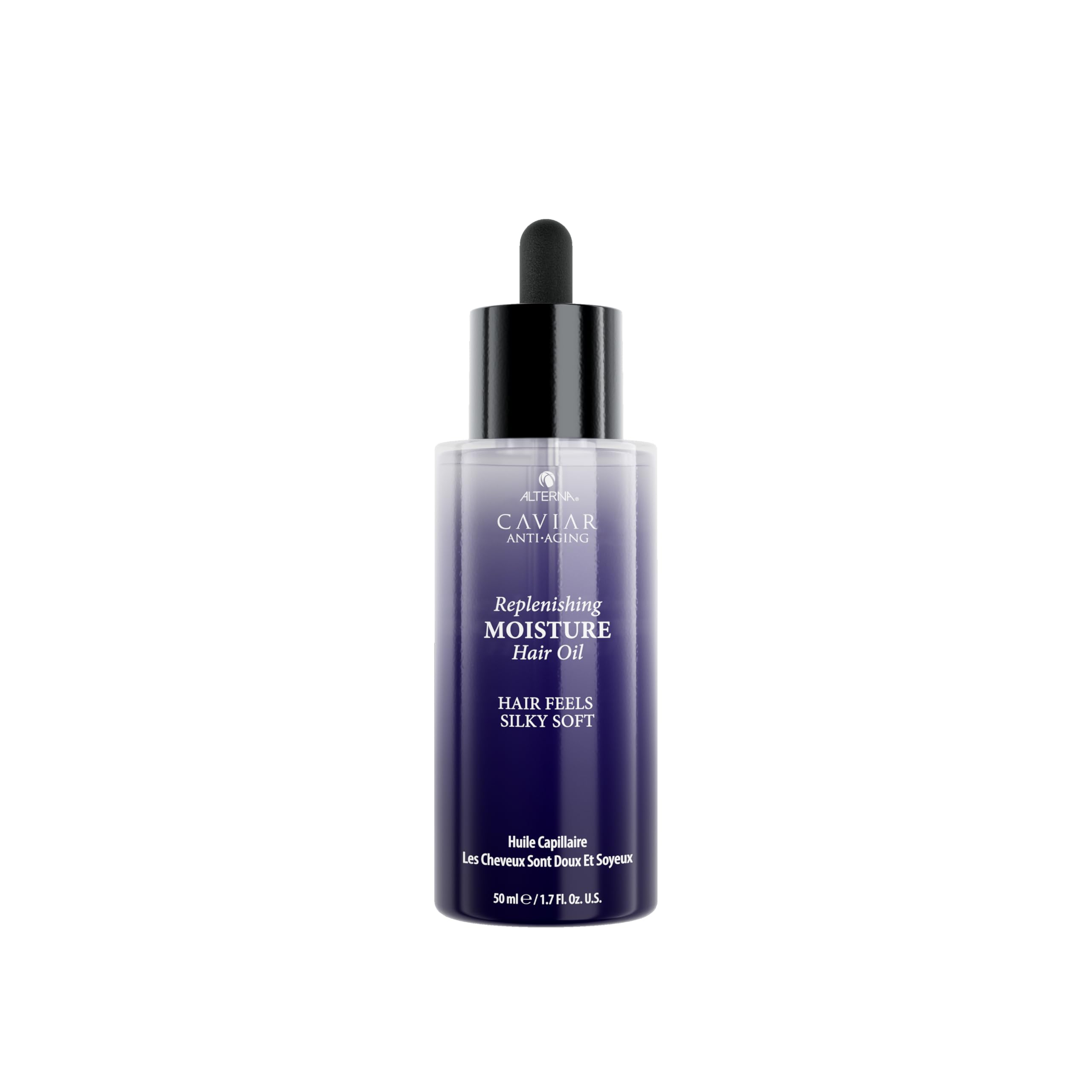
Alterna Haircare CAVIAR Anti-Aging Replenishing Moisture Hair Oil 1.7 oz | Lightweight, Revives and Nourishes Hair | Increased Shine and Softness | Heat Protectant and Frizz Control
Best Lightweight Oil. A lightweight hair oil from Alterna that gives me another way to explain finishing oil, shine, frizz control, and heat-protection language without repeating a main-list brand.
Price on Amazon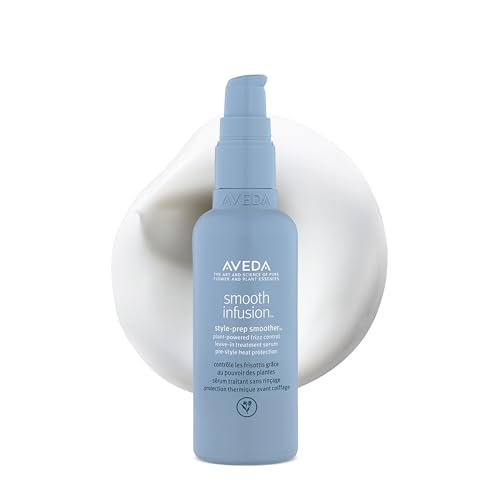
Aveda
Aveda Smooth Infusion Style-Prep Smoother | Leave-In Anti-Frizz Serum | 72-Hour Frizz Defense & Frizz Control | Heat Protectant | 98% Naturally Derived*
Best Heat Serum. Aveda Smooth Infusion Style-Prep Smoother gives me a separate example of leave-in anti-frizz serum, heat protectant, styling prep, and humidity-defense language.
Price on Amazon
Kérastase
Kérastase Nutritive 8H Magic Night Serum
Best Night Serum. A Kérastase overnight hair serum that demonstrates night treatment, leave-in serum, eight-hour-style naming, and next-morning finish language.
Price on Amazon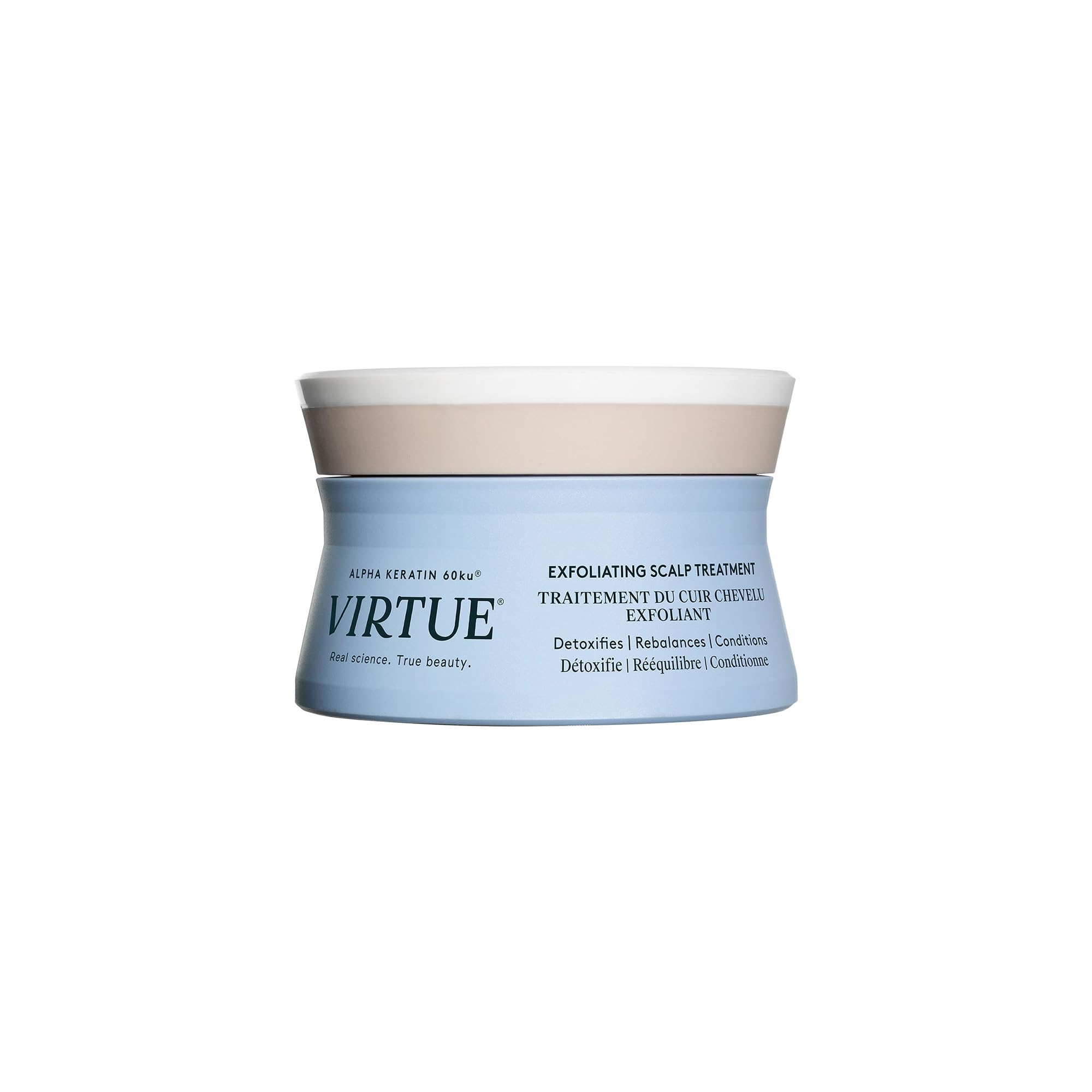
Virtue
VIRTUE Refresh Scalp Scrub, Exfoliating Detox, Fragrance-free, 5 oz
Best Scalp Scrub. A Virtue scalp scrub that gives me a separate example of scrub, exfoliation, detox, buildup, and scalp-treatment terminology.
Price on AmazonFinal Comparison
| # | Product | Brand | Best For | Format | Shop |
|---|---|---|---|---|---|
| 1 | K18 Leave-In Molecular Repair Hair Mask | K18 | Understanding how a leave-in mask differs from a rinse-out mask and ordinary conditioner | Leave-in repair hair mask | Amazon |
| 2 | No.7 Bonding Hair Oil, High Shine and Frizz Control | Olaplex | Learning how finishing oils differ from conditioners, serums, and masks | Leave-in hair oil | Amazon |
| 3 | Bumble and bumble. Sumogel Hi-Hold Styling Hair Gel | Bumble and bumble | Understanding what hold level means and how a gel differs from mousse, cream, pomade, and spray | High-hold styling gel | Amazon |
| 4 | Naturaltech Rebalancing Shampoo, to combat excess scalp oil production | Davines | Learning the difference between oily scalp and dry hair lengths | Scalp-balancing shampoo | Amazon |
| 5 | Color Wow Dream Filter Pre-Shampoo Mineral Remover | Color Wow | Understanding why some treatments are used before shampoo rather than after it | Pre-shampoo mineral remover | Amazon |
| 6 | Scalp Revival Charcoal + Coconut Oil Micro-Exfoliating Shampoo | Briogeo | Learning how scalp exfoliation differs from ordinary shampooing | Scalp micro-exfoliating shampoo | Amazon |
| 7 | Body & Hair Cleanser | Jack Black | Understanding when a multi-use cleanser replaces two products and when separate formulas may still be preferable | Body and hair cleanser | Amazon |
| 8 | Mousse au Lotus Volumatrice Alcohol-Free Volumizing Styling Mousse | Leonor Greyl | Learning how mousse creates body differently from gel, cream, and spray | Volumizing styling mousse | Amazon |
| 9 | Shampooing Crème Moelle de Bambou Shampoo | Leonor Greyl | Understanding why shampoo can be creamy without becoming conditioner | Cream shampoo | Amazon |
| 10 | – Elasticizer Booster Conditioner – 5.07fl oz | Philip Kingsley | Learning how conditioner differs from mask, leave-in, and pre-shampoo treatment | Conditioning booster | Amazon |
| 11 | – Moisture Balancing Combination Shampoo – 8.45fl oz | Philip Kingsley | Understanding combination hair and why scalp condition and strand condition can differ | Moisture-balancing shampoo | Amazon |
| 12 | TELEVISION Perfect Hair Shampoo, 2.0 Oz | R+Co | Understanding what a standard shampoo does compared with clarifying, purple, scalp-exfoliating, and bond-care shampoos | Regular shampoo | Amazon |
| 13 | Acidic Bonding Concentrate Shampoo | Redken | Learning how bond-focused hair care differs from simple hydration or protein language | Bond-care shampoo | Amazon |
| 14 | All Soft Shampoo | Redken | Understanding how cleansing can be positioned for softness without becoming a conditioner | Softening shampoo | Amazon |
| 15 | Pureology Color Fanatic Multi-Tasking Leave-In Spray, 21 Benefits | Pureology | Learning how one leave-in product can combine conditioning and styling-prep roles | Multi-tasking leave-in spray | Amazon |
My 30-Day Hair-Care Vocabulary Practice
I would spend the first part of the month labeling every product by zone and format: scalp cleanser, shampoo, conditioner, mask, leave-in, oil, serum, gel, mousse, pre-shampoo, scrub, or heat protectant. I would also separate scalp oiliness, flakes, or buildup from strand concerns such as dryness, porosity, breakage, frizz, and damage.
During the middle of the month, I would translate claim language into observable outcomes. Repair becomes breakage resistance, feel, or manageability; volume becomes visible fullness or root lift; smoothing becomes less roughness or frizz; balancing becomes enough root cleansing without unnecessarily drying the lengths. That makes the vocabulary useful instead of decorative.
By the final week, I would want to read any luxury hair-care label in a fixed order: which zone is it for, is it rinse-off or leave-in, is the main job cleansing, conditioning, treatment, protection, or styling, and what specific result am I actually monitoring? Once those questions are clear, words such as bond, detox, nourishing, recovery, volumizing, or repair become much easier to interpret realistically.
My final recommendation
Build hair-care vocabulary around the scalp, the strand, and the styling step
I start with the scalp because cleansing, oil, buildup, flakes, and wash frequency live there. Then I move to the hair fiber for porosity, moisture, protein, bond care, breakage, softness, and color treatment. Finally, I separate styling terms such as hold, volume, cast, frizz control, heat protection, and shine from treatment language.
The best glossary is practical enough to prevent unnecessary product stacking. One shampoo can cleanse, one conditioner can improve slip, one leave-in can detangle and protect, and one styling product can create hold. I add specialized masks, oils, bond care, scalp exfoliation, or chelating treatments only when the hair or scalp gives me a reason.
Frequently Asked Questions
What is the difference between a hair mask and a conditioner?
Conditioner is usually a regular rinse-out step for slip and softness, while a hair mask is typically a more intensive treatment with a different contact time or richer treatment role. Some masks are leave-in, so I always check the directions.
What is the difference between hair breakage and shedding?
Breakage is the strand snapping and usually leaves shorter pieces. Shedding is the release of whole hairs from the follicle. Persistent or sudden hair-loss changes deserve professional evaluation.
What does hair porosity mean?
Porosity describes how readily hair takes up and loses water and other substances, influenced by cuticle condition, chemical processing, damage, and individual strand properties.
Is bond repair the same as protein treatment?
No. They are different hair-care concepts. Protein treatments use proteins or protein-derived ingredients, while bond-care systems use various technologies aimed at damaged-hair performance. I judge each formula on its own role.
What is the difference between clarifying and chelating hair care?
Clarifying broadly removes oils, styling residue, and buildup. Chelating is more specifically associated with binding or helping remove certain mineral or metal deposits, often linked with hard water or swimming.
Read More Beauty Articles
More reads from our Guides collection, selected for their related topics and keywords.

Luxury Beauty Glossary: Makeup Terms Explained
Luxury makeup becomes easier to shop once I stop treating every descriptive word as a product category. Foundation, concealer, bronzer, eyeliner, eyeshadow, mascara, blush, setting…
Read More
Luxury Beauty Glossary: Skincare Terms Explained
Luxury skincare vocabulary can make a simple routine sound far more complicated than it is. Serum, essence, treatment, recovery, plumping, firming, perfecting, gel cream, masque,…
Read More
The Damaged-Hair Reset: What to Change First
The first change in a damaged-hair routine is usually the thing you stop doing. A mask has little chance of making your lengths easier to…
Read More
How to Use a Hair Mask Correctly
Using a hair mask correctly starts with one question I ask before I open the jar: what kind of mask is it? A rinse-out moisture…
Read More
How to Tell Whether Hair Needs Moisture or Protein
The moisture-versus-protein question is useful only if I treat it as shorthand, not a home diagnosis. Hair can feel rough, stretchy, brittle, stiff, limp, frizzy,…
Read More
How to Organize a Luxury Beauty Collection
A luxury beauty collection becomes harder to enjoy when the products are beautiful, but the storage is chaotic. I want the routine to feel calm:…
Read More
How to Pack Luxury Beauty Products for Travel
Luxury beauty becomes difficult to travel with when every routine step is treated as essential. I start by deciding what must happen every day—cleanse, moisturize,…
Read More
How to Shop for Luxury Beauty on Amazon Safely
Shopping for luxury beauty on Amazon can be convenient, but I treat the detail page as the beginning of the check rather than the end.…
Read More