Luxury skincare vocabulary can make a simple routine sound far more complicated than it is. Serum, essence, treatment, recovery, plumping, firming, perfecting, gel cream, masque, and rescue all appear familiar until I try to decide exactly where a product belongs and what result the wording can realistically describe.
I separate three things immediately: product format, functional role, and marketing language. Cleanser, serum, moisturizer, exfoliant, sunscreen, eye cream, and lip treatment are useful routine categories. Words such as advanced, intensive, ageless, high definition, or perfecting need more context because brands can use them differently.
Ingredient language needs the same discipline. Humectants, emollients, occlusives, ceramides, peptides, retinoids, niacinamide, vitamin C, AHA, BHA, and PHA describe different parts of skincare science, but seeing one of those words on a bottle never tells me the whole formula, concentration, tolerance, or routine fit.
I also keep cosmetic claims inside cosmetic boundaries. Hydrating, smoothing, plumping, brightening, firming, anti-wrinkle, and anti-aging can describe visible or sensory goals, but I do not automatically translate them into permanent structural change. Consistent lighting, realistic timelines, and a stable routine make the language easier to judge.
The 15 examples below cover treatments, serums, eye care, masks, lip care, night care, hybrids, exfoliation, body cleansing, hydration, firming, and gel-cream moisturizing.
My Top Three Skincare Glossary Examples
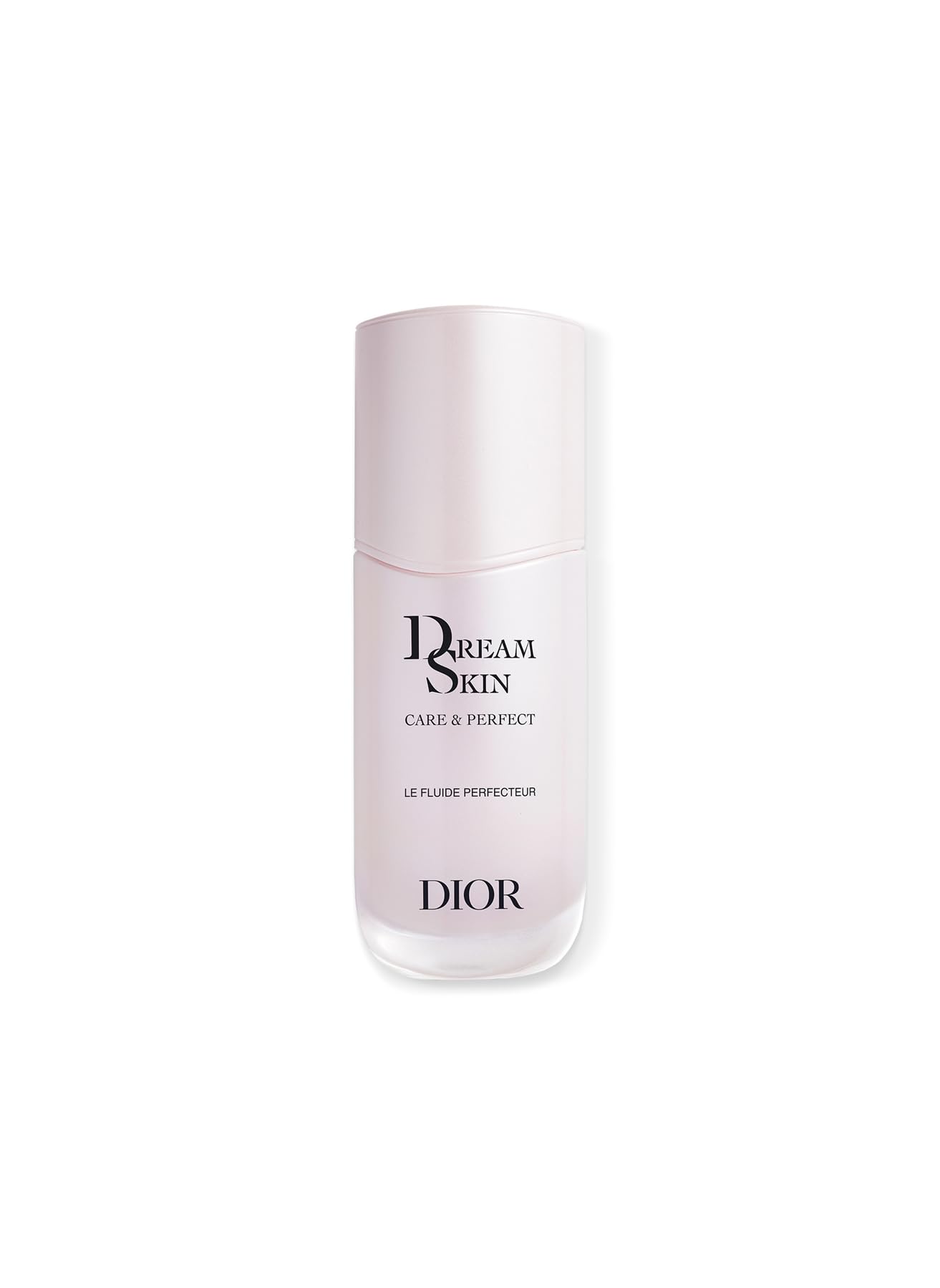
Dior Beauty
Dreamskin Care & Perfect Skin Creator
- A treatment-style face product that helps me explain what brands mean by care, perfecting, and finish language
- 1.7 oz face treatment
- Readers learning the difference between product category and marketing language
- I separate the product's practical role from phrases such as perfecting or creator so the wording does not become a promise.

Dr. Barbara Sturm
Exoso-Metic Face Serum
- A face serum whose name introduces serum, firming, and advanced-treatment terminology
- 1.01 fl oz face serum
- Understanding what a serum is and how firming language should be read
- I treat firming as a cosmetic appearance claim and still judge texture, layering, and comfort.
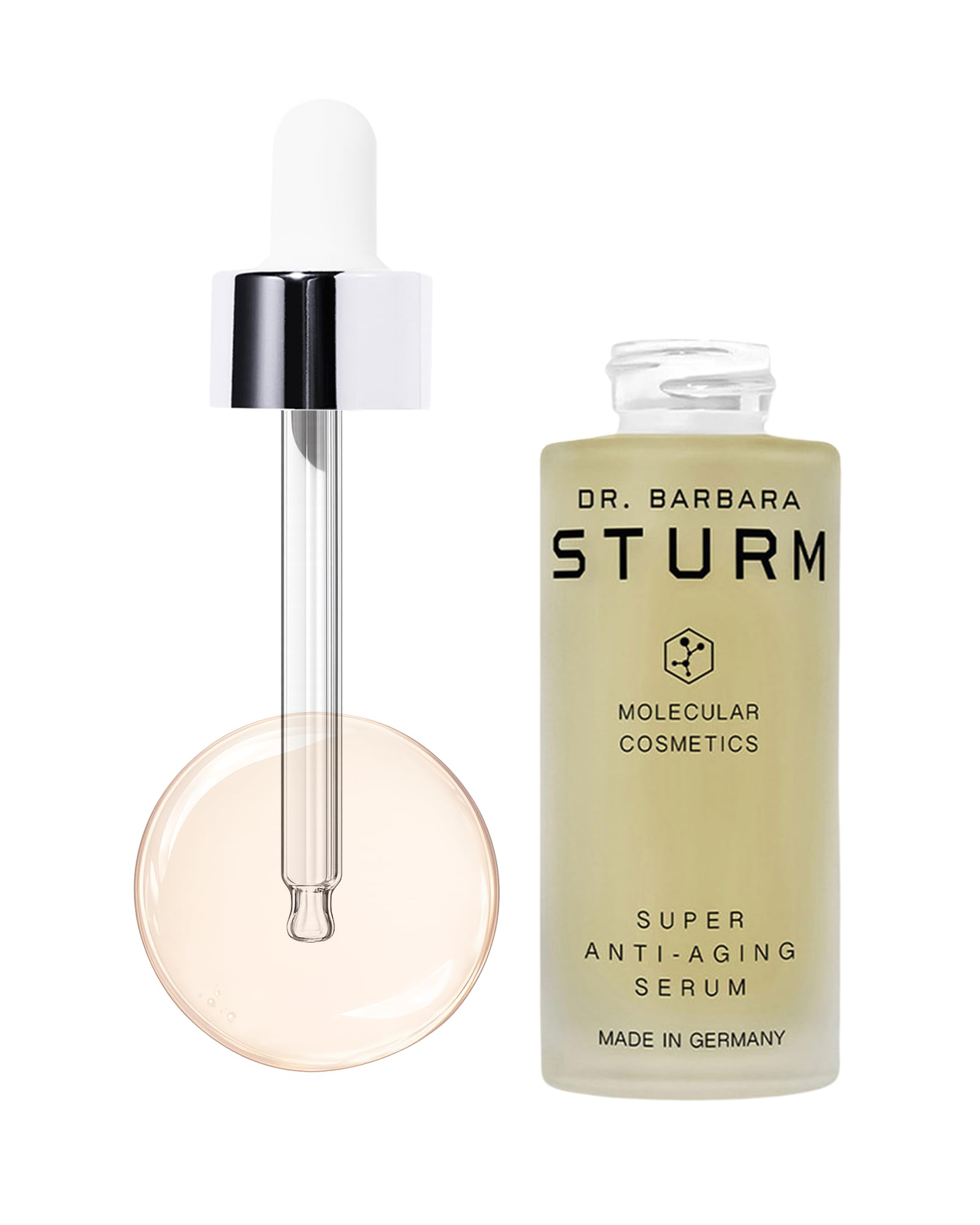
Dr. Barbara Sturm
Super Anti-Aging Serum
- A hydrating anti-aging face serum that helps unpack broad anti-aging wording
- 1.01 fl oz face serum
- Learning how hydration and anti-aging language can overlap inside one serum
- I read anti-aging as an umbrella marketing term rather than a guarantee that every visible sign of aging will reverse.
Luxury Beauty Glossary: Skincare Terms Explained at a Glance
Dior Beauty
1. Dreamskin Care & Perfect Skin Creator
- Best For: Readers learning the difference between product category and marketing language
- Format: 1.7 oz face treatment
- Glossary role: A treatment-style face product that helps me explain what brands mean by care, perfecting, and finish language
- Watch: I separate the product's practical role from phrases such as perfecting or creator so the wording does not become a promise.
Dr. Barbara Sturm
2. Exoso-Metic Face Serum
- Best For: Understanding what a serum is and how firming language should be read
- Format: 1.01 fl oz face serum
- Glossary role: A face serum whose name introduces serum, firming, and advanced-treatment terminology
- Watch: I treat firming as a cosmetic appearance claim and still judge texture, layering, and comfort.

Dr. Barbara Sturm
3. Super Anti-Aging Serum
- Best For: Learning how hydration and anti-aging language can overlap inside one serum
- Format: 1.01 fl oz face serum
- Glossary role: A hydrating anti-aging face serum that helps unpack broad anti-aging wording
- Watch: I read anti-aging as an umbrella marketing term rather than a guarantee that every visible sign of aging will reverse.

EltaMD
4. Skin Recovery Face Serum, Anti-Redness Facial Serum, 1 oz
- Best For: Understanding recovery-style skincare and how redness claims fit into a routine
- Format: 1 oz face serum
- Glossary role: An anti-redness recovery serum that introduces recovery, soothing, and redness-focused vocabulary
- Watch: I distinguish temporary visible redness from persistent or concerning symptoms that deserve professional assessment.

IMAGE Skincare
5. AGELESS Total Eye Lift Crème, 0.5 fl oz
- Best For: Learning why eye cream is a product category rather than simply a smaller face moisturizer
- Format: 0.5 fl oz eye cream
- Glossary role: A targeted eye cream that makes area-specific skincare terminology easy to see
- Watch: I use less product around the eye area and avoid assuming the words lift or ageless describe permanent structural change.
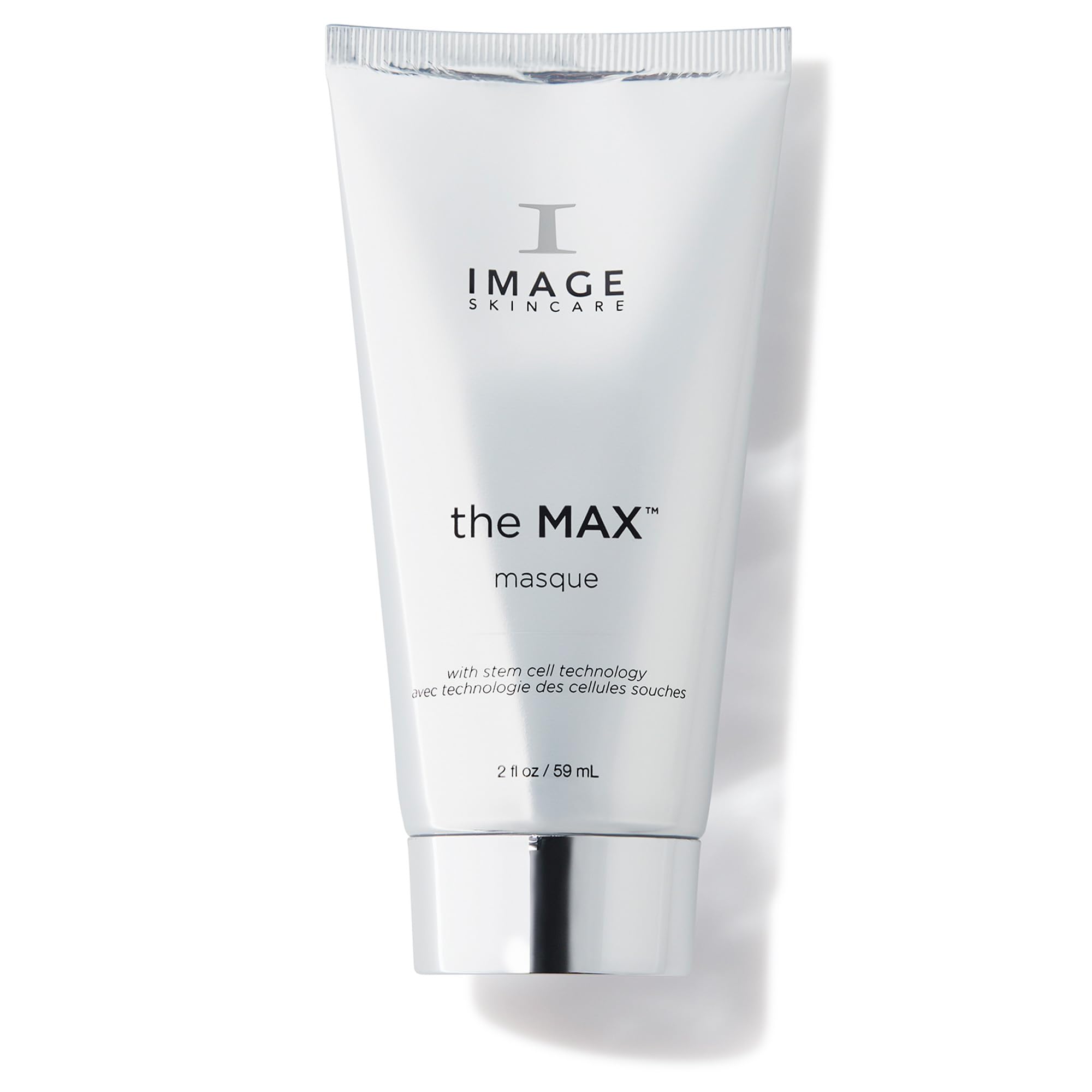
IMAGE Skincare
6. the MAX Masque, 2 fl oz
- Best For: Understanding rinse-off or time-limited treatment formats
- Format: 2 fl oz face masque
- Glossary role: A face masque that clarifies the difference between masks, masques, and daily leave-on products
- Watch: I check the directions for contact time because a mask is usually used differently from a serum or moisturizer.
Jack Black
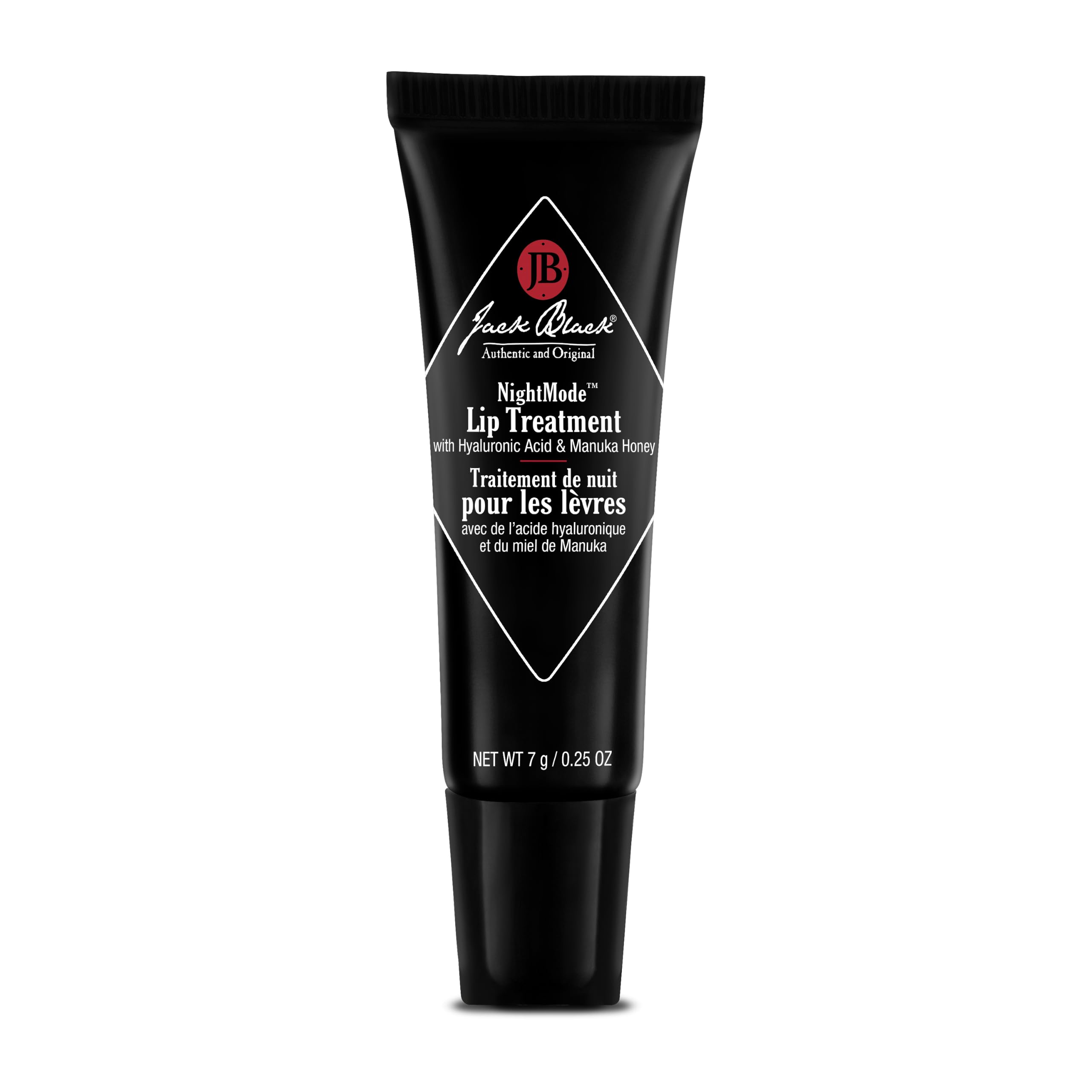
7. NightMode Lip Treatment – Overnight Lip Treatment, .25 oz
- Best For: Learning how lip care differs from facial serum and moisturizer steps
- Format: 0.25 oz overnight lip treatment
- Glossary role: An overnight lip treatment that introduces balm, treatment, occlusive care, and targeted-area language
- Watch: I judge comfort and barrier feel without assuming an overnight label means the product needs a thick layer.

KORRES
8. Black Pine 4D Bio-ShapeLift Plumping Night …
- Best For: Understanding what plumping usually means in topical skincare
- Format: Night facial treatment
- Glossary role: A plumping night treatment that helps define night care and plumping language
- Watch: I read plumping mainly through hydration and surface appearance unless stronger evidence supports a broader claim.
KORRES
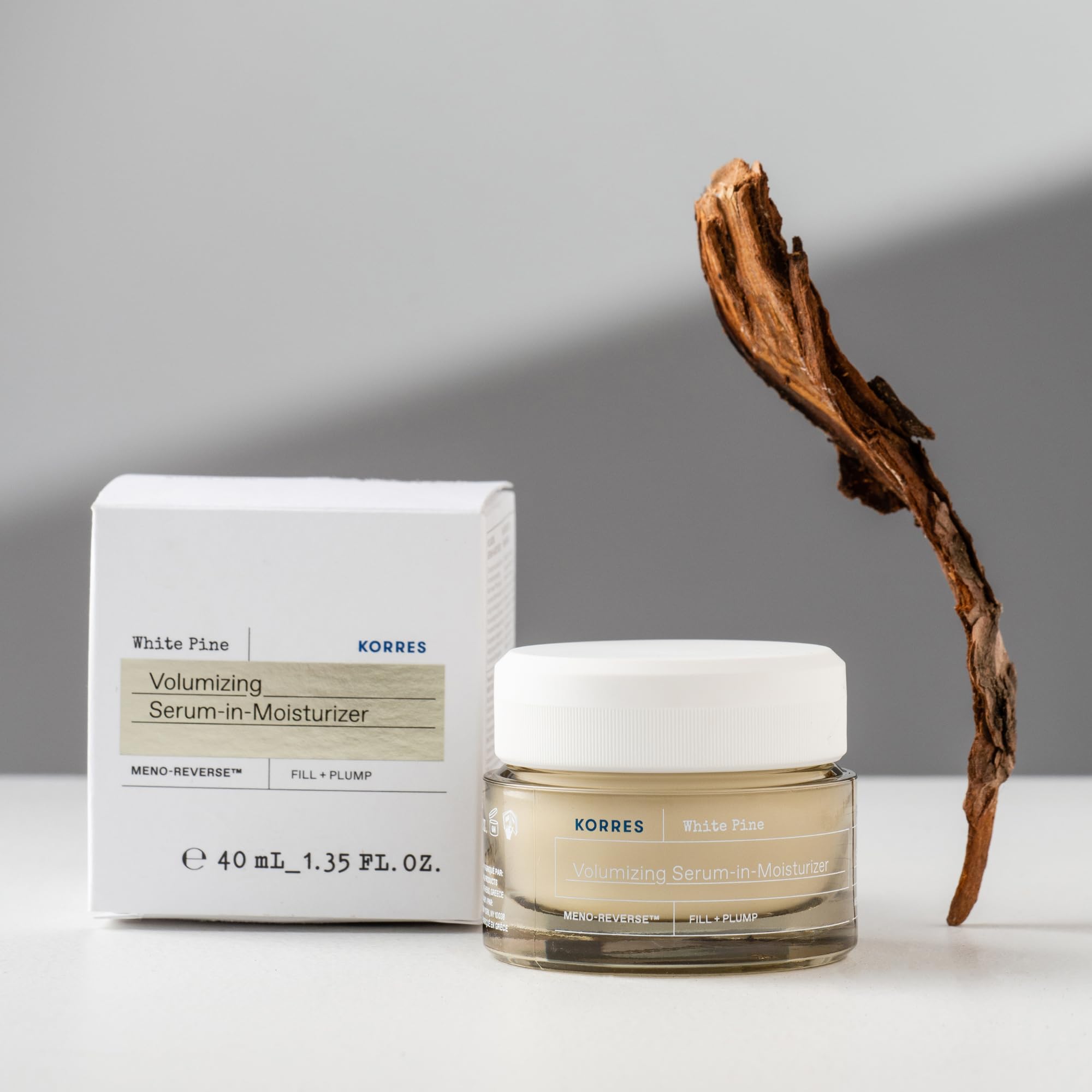
9. White Pine Meno-Reverse Volumizing Serum-Moisturizer, 1.35 Fl Oz
- Best For: Learning how one product can combine serum and moisturizer roles
- Format: 1.35 fl oz serum-moisturizer
- Glossary role: A serum-moisturizer hybrid that makes hybrid-category language easy to understand
- Watch: I use the hybrid to reduce steps only if it gives enough comfort on its own; I do not layer extra products by default.

Kate Somerville
10. DeliKate Recovery Serum, 1 Fl Oz
- Best For: Understanding recovery, sensitized skin, and routine simplification
- Format: 1 fl oz face serum
- Glossary role: A recovery serum that gives me a second example of comfort-focused facial treatment language
- Watch: I simplify neighboring steps when the skin feels reactive instead of adding more actives to 'fix' discomfort.

Kate Somerville
11. Liquid ExfoliKate Treatment, 4 Fl Oz
- Best For: Learning how exfoliation differs from cleansing and moisturizing
- Format: 4 fl oz liquid exfoliating treatment
- Glossary role: A liquid exfoliating treatment that anchors exfoliant, over-exfoliation, and frequency terminology
- Watch: I introduce exfoliation by frequency and tolerance rather than assuming more frequent use is automatically better.
L'Occitane
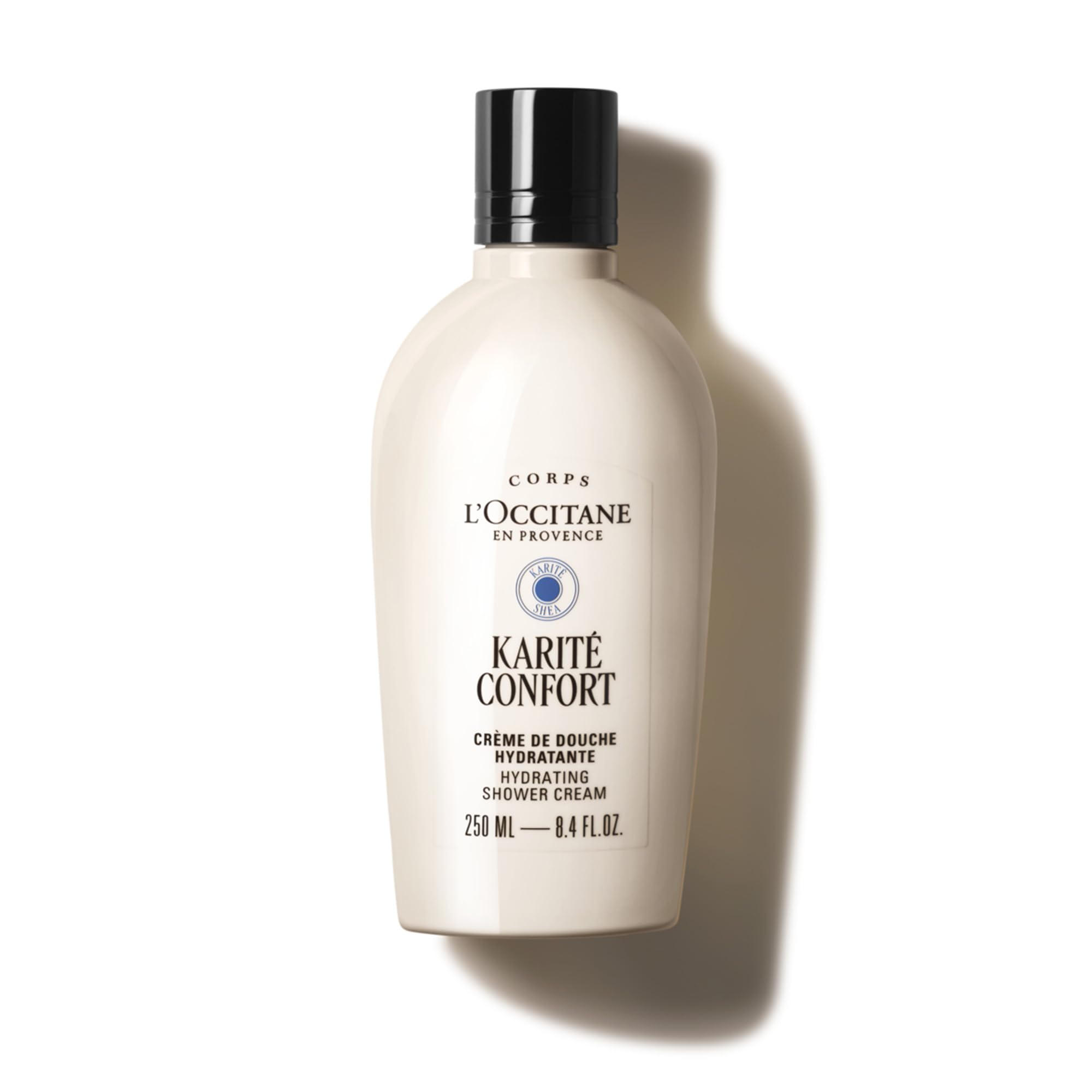
12. Shea Butter Ultra Rich Shower Cream 8.40 fl. oz
- Best For: Understanding body cleanser, shower cream, and creamy cleansing textures
- Format: 8.40 fl oz shower cream
- Glossary role: A rich shower cream that broadens the glossary from facial skincare to body cleansing
- Watch: I keep body-cleansing language separate from face-care claims because the use area and rinse-off routine are different.
Natura Bissé
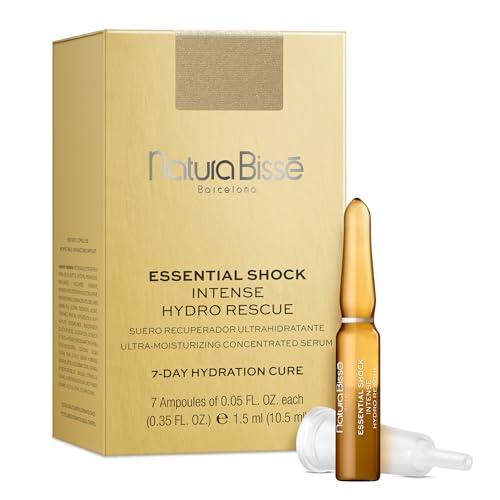
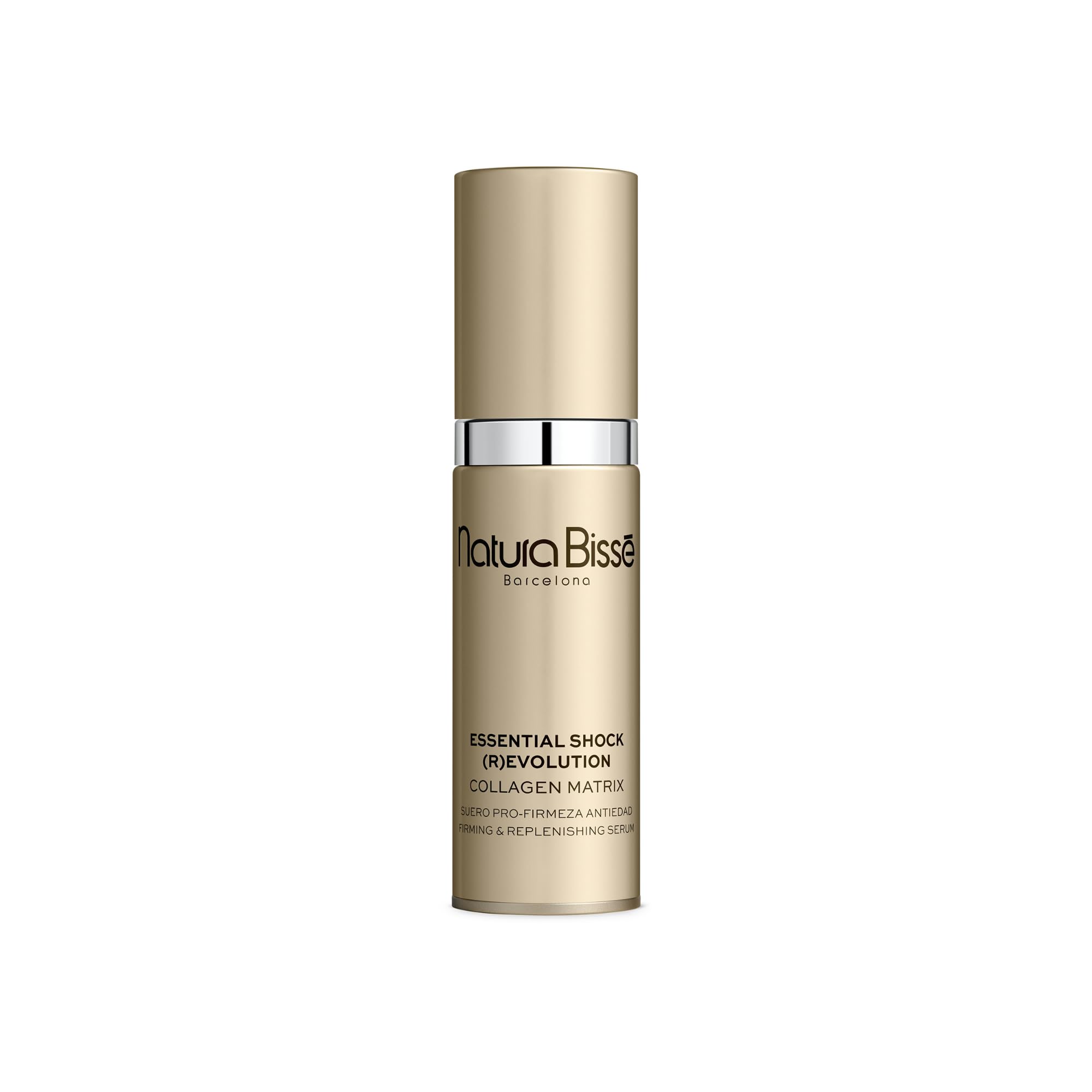
13. Essential Shock Intense Hydro Rescue – Moisturizing Face Serum
- Best For: Understanding hydration, dehydration, rescue, and serum terminology
- Format: Moisturizing face serum
- Glossary role: A moisturizing face serum whose name makes hydration and rescue language explicit
- Watch: I separate dehydration from dry skin because water loss and low oil production are not the same concept.
Natura Bissé
14. Inhibit High Definition Serum – Anti-Wrinkle Firming Serum
- Best For: Learning how cosmetic anti-wrinkle wording should be interpreted
- Format: Firming face serum
- Glossary role: An anti-wrinkle firming serum that helps decode wrinkle and firming language
- Watch: I compare visible appearance in consistent lighting and avoid treating a topical serum like a structural procedure.

Obagi
15. Hydrate Light Weightless Gel Cream
- Best For: Understanding gel cream, moisturizer, lightweight texture, and layer count
- Format: Lightweight gel cream
- Glossary role: A lightweight gel cream that makes moisturizer texture categories easy to compare
- Watch: I use gel cream as a texture description, not proof that the product will suit every oily or humid-weather routine.
Luxury Beauty Glossary: Skincare Terms Explained Detailed Review
1. Dreamskin Care & Perfect Skin Creator
I use Dior Dreamskin Care & Perfect Skin Creator as my first glossary example because its name is full of luxury-beauty language that sounds intuitive until I try to define it precisely. 'Care' tells me very little by itself, while 'perfecting' describes an intended cosmetic result rather than a standardized skincare category.
I separate the actual format from the promise words. If I am deciding where a product belongs in a routine, I want to know whether it behaves like a treatment, primer-like perfecter, moisturizer, or another hybrid before I let the branding decide the order.
I also keep 'skin creator' in marketing context. I can evaluate texture, finish, layering, and how polished the skin looks, but I do not read a dramatic phrase as evidence that the product permanently changes skin structure.
Dior Beauty
Treatment, perfecting, and finish language in one luxury example
Dior Dreamskin Care & Perfect Skin Creator, 1.7 oz
This is the product I would use to teach the difference between a product category and the words chosen to make that category sound more aspirational.
The practical question is always where the product belongs and what visible or sensory job it performs in the routine.
Price on AmazonPerfecting, Treatment & Finish Terms Explained
- Care is a broad marketing word, not a precise product class
- Perfecting usually describes visible finish or appearance
- A treatment may sit between serum and moisturizer depending on texture
- Hybrid products need routine placement based on feel and directions
- Marketing names should not be read as structural medical claims
- Layering behavior matters more than glamorous naming
Routine Role, Layering & 30-Day Reality Check
Pros
- Excellent example of luxury naming conventions
- Useful for explaining hybrid product roles
- Encourages category-first reading
- Helps separate finish language from treatment language
Cons
- Aspirational wording can obscure the real routine role
- The name alone does not explain exact application order
- Different retailers may group the same hybrid differently
- Perfecting language can create unrealistic expectations
My 30-day evaluation framework: I would use a month to see where the product naturally fits—before moisturizer, after serum, or as a complexion-prep step—while keeping the rest of the routine steady enough to judge pilling, comfort, and finish.
My Verdict on Dior Dreamskin Terminology
I keep this as my Best Overall glossary example because it forces me to ask the most useful question in luxury beauty: what does the product actually do in the routine once the marketing adjectives are removed?
2. Exoso-Metic Face Serum
Dr. Barbara Sturm Exoso-Metic Face Serum gives me a straightforward way to define 'serum' and a much more careful way to discuss 'firming.' A serum is primarily a texture-and-delivery category: usually a concentrated leave-on step used before heavier creams, although there is no universal viscosity rule.
I treat 'advanced' as positioning rather than a scientific grade. Words such as advanced, intensive, pro, and clinical can signal where a brand wants the formula to sit in its range, but they do not create a standardized potency scale across companies.
For firming, I focus on visible skin appearance, hydration, and how the surface feels. I do not turn a topical cosmetic claim into a promise of permanent tightening or a procedure-like change.
Dr. Barbara Sturm
Serum, advanced, and firming: three terms worth separating
Dr. Barbara Sturm Exoso-Metic Face Serum, 1.01 fl oz | Advanced Firming Serum
I would choose this example when a reader understands what the bottle is but is less certain about the language wrapped around it.
Serum is the useful category term; advanced and firming need context rather than automatic trust.
Price on AmazonSerum, Advanced & Firming Terms Explained
- Serum usually means a leave-on treatment step
- Advanced is not a regulated universal potency grade
- Firming is generally a cosmetic appearance claim
- Serums are often layered before creams
- Texture can vary widely across serums
- Routine compatibility matters more than prestige wording
Texture, Firmness Language & 30-Day Fit
Pros
- Clear serum format
- Useful example of firming language
- Shows how positioning words can differ from categories
- Easy to place in a standard routine
Cons
- Firming language can be overinterpreted
- Advanced may sound more standardized than it is
- A serum can still feel rich or tacky
- Multiple treatment serums can become redundant
My 30-day evaluation framework: Across several weeks I would keep the serum dose consistent and track texture, settling time, visible appearance in similar lighting, and whether another firming serum still feels necessary.
My Verdict on Exoso-Metic Serum Terms
This is my Best Firming example because it makes the distinction between a real format term—serum—and broader cosmetic positioning especially clear.
3. Super Anti-Aging Serum
Dr. Barbara Sturm Super Anti-Aging Serum is where I stop and define 'anti-aging' as an umbrella phrase rather than one measurable endpoint. It can encompass hydration, the appearance of fine lines, tone, texture, elasticity, and other concerns, which is exactly why I never let the term stand alone.
I look for the narrower job inside the broader phrase. The full name identifies hydration, so I can evaluate comfort, water-loss-related tightness, and surface smoothness more sensibly than I can evaluate the entire concept of aging in one bottle.
I also distinguish a hydrating serum from a moisturizer. A serum can add a water-binding or treatment layer, while a moisturizer usually provides a more complete finishing layer through some balance of humectant, emollient, and occlusive behavior.
Dr. Barbara Sturm
Anti-aging is an umbrella term; hydration is a clearer job
Dr. Barbara Sturm Super Anti-Aging Serum, 1.01 fl oz | Hydrating Anti-Aging Face Serum
I would use this product to show why broad concern language should be broken into smaller, observable goals.
Hydration gives me something practical to monitor; 'anti-aging' needs to be translated into the specific appearance concern that matters to the reader.
Price on AmazonAnti-Aging, Hydration & Serum Language
- Anti-aging covers multiple cosmetic concerns
- Hydrating is a narrower functional description
- Serum and moisturizer are not interchangeable categories
- Hydration can soften the look of dehydration lines temporarily
- Routine order depends on texture and directions
- One broad claim can hide several different goals
Hydration, Overlap & 30-Day Comparison
Pros
- Strong example of umbrella terminology
- Hydration gives the claim a practical anchor
- Useful for explaining serum-versus-moisturizer roles
- Encourages realistic expectations
Cons
- Anti-aging can sound more specific than it is
- Hydration effects can be mistaken for permanent line correction
- Premium language can distract from routine fit
- May overlap with another hydrating serum
My 30-day evaluation framework: I would photograph the same area in similar light and note comfort, tightness, and surface smoothness while keeping moisturizer consistent. That helps me distinguish hydration effects from larger claims.
My Verdict on Super Anti-Aging Vocabulary
This is my Best Hydration example because it shows how I translate a huge phrase such as anti-aging into a smaller, more useful routine question.
4. Skin Recovery Face Serum, Anti-Redness Facial Serum, 1 oz
EltaMD Skin Recovery Face Serum helps me define 'recovery' without implying that a cosmetic serum diagnoses or treats every cause of redness. Recovery language usually points toward comfort, barrier support, or a simplified routine after the skin feels stressed.
I also separate sensitive skin from sensitized skin. 'Sensitive' often describes a recurring skin tendency, while 'sensitized' is commonly used for temporary reactivity after irritation, over-exfoliation, weather, or another trigger.
Redness is a visible sign, not one single condition. If redness is persistent, painful, rapidly worsening, or accompanied by swelling or rash, I would not keep escalating products and guessing.
EltaMD
Recovery, redness, sensitive skin, and sensitized skin are not synonyms
EltaMD Skin Recovery Face Serum, Anti-Redness Facial Serum, 1 oz
I would choose this example when the reader is trying to understand comfort-focused skincare rather than stronger active treatment.
Recovery language is most useful when it encourages fewer irritating variables, not a larger stack.
Price on AmazonRecovery, Redness & Sensitive-Skin Language
- Recovery usually describes comfort or barrier-focused care
- Sensitive and sensitized are related but not identical terms
- Redness has many possible causes
- A serum is still a leave-on treatment format
- Simplification can be part of a recovery routine
- Persistent symptoms may require professional assessment
Comfort, Simplification & 30-Day Tolerance
Pros
- Clear recovery-language example
- Useful for explaining redness terminology
- Encourages routine simplification
- Easy to distinguish from exfoliating treatment
Cons
- Recovery is not a medical diagnosis
- Redness claims can be overgeneralized
- Adding many 'soothing' products can still irritate
- A serum may not replace moisturizer
My 30-day evaluation framework: I would keep exfoliation and other strong actives stable or reduced while observing comfort, visible redness, and tolerance. I would not change several recovery products at the same time.
My Verdict on Skin Recovery Terms
This is my Best Recovery example because it helps me explain the language of reactive skin without turning cosmetic vocabulary into medical certainty.
5. AGELESS Total Eye Lift Crème, 0.5 fl oz
IMAGE Skincare AGELESS Total Eye Lift Crème is my eye-area example because the words 'eye cream' describe a targeted product category, while 'lift' and 'ageless' are marketing phrases that need restraint. The eye area is thinner and often more reactive, so application amount matters.
I do not assume every eye cream is just face moisturizer in a smaller jar, but I also do not assume the category guarantees unique effects. I compare texture, eye comfort, makeup compatibility, and whether the smaller amount makes the product easier to use around the orbital area.
I interpret 'lift' visually and cosmetically. A topical eye product can change hydration, surface smoothness, and how concealer sits; it is not equivalent to a structural procedure.
IMAGE Skincare
Eye cream is a category; lift and ageless are appearance language
IMAGE Skincare, AGELESS Total Eye Lift Crème, 0.5 fl oz
I would use this to show how area-specific products combine real routine placement with aspirational wording.
The most useful questions are tolerance, amount, texture, and how the product behaves under eye makeup.
Price on AmazonEye Cream, Crème & Lift Language
- Eye cream is designed for targeted eye-area use
- Crème and cream are functionally similar naming variants
- Lift is generally a cosmetic appearance term
- Small application amounts are usually appropriate around the eyes
- Makeup compatibility is part of practical performance
- Irritation around the eyes deserves caution
Eye-Area Comfort, Makeup & 30-Day Use
Pros
- Clear targeted-area example
- Useful for defining cream versus crème
- Helps separate product category from lift language
- Makes application amount part of the glossary
Cons
- Eye products can be expensive per ounce
- Lift wording can be overread
- Not every face cream is unsuitable around the eyes
- Sensitive eyes may react to otherwise tolerated formulas
My 30-day evaluation framework: I would use a consistent small amount and watch comfort, morning puffiness appearance, dryness, and concealer behavior without claiming a permanent lifting effect.
My Verdict on Eye-Care Vocabulary
This is my Best Eye Care example because it clarifies both a real routine category and the limits of the language commonly attached to it.
6. the MAX Masque, 2 fl oz
IMAGE Skincare the MAX Masque gives me an easy way to explain that 'mask' and 'masque' usually refer to the same broad treatment category. The spelling can change the tone of the product name, but the directions determine whether it is rinse-off, leave-on, overnight, or time-limited.
I never use a mask simply because it sounds intensive. Contact time, frequency, and the rest of the routine matter, especially if the mask sits beside exfoliating, retinoid, or other active products.
I also keep masks in perspective. They can be enjoyable and targeted, but most routines do not need a mask to be complete if cleanser, moisturizer, treatment, and sunscreen are already working.
IMAGE Skincare
Mask and masque are format terms, not proof of treatment intensity
IMAGE Skincare, the MAX Masque, 2 fl oz
I would choose this example when someone is unsure whether a masque is fundamentally different from a mask.
The important information is how long it stays on, whether it is rinsed off, and how often it is intended to be used.
Price on AmazonMask, Masque & Contact-Time Terms
- Mask and masque are usually the same broad category
- Directions define rinse-off versus leave-on use
- Contact time can matter more than the product name
- Masks are optional in many routines
- Frequency should reflect tolerance
- Intensive wording does not mean daily use
Frequency, Comfort & 30-Day Mask Use
Pros
- Very clear format example
- Useful for explaining optional treatment steps
- Encourages direction-based use
- Helps prevent unnecessary over-treatment
Cons
- Masks can be mistaken for essential skincare
- More contact time is not automatically better
- Can overlap with other active treatments
- A pleasant one-time result may not predict long-term value
My 30-day evaluation framework: I would follow the stated use pattern and track comfort after each application rather than increase frequency just because the product feels gentle the first time.
My Verdict on Masque Terminology
This is my Best Mask example because the term is simple to define and easy to misuse when frequency and contact time are ignored.
7. NightMode Lip Treatment – Overnight Lip Treatment, .25 oz
Jack Black NightMode Lip Treatment lets me move the glossary away from facial serums and explain targeted lip care. Lip treatments often sit somewhere between balm, mask, and occlusive care depending on texture and how they are meant to be used.
'Overnight' tells me when the brand expects the product to fit, not that it has to be applied in an unusually thick layer. I still use enough to feel comfortable without assuming more product means more repair.
I also distinguish occlusion from hydration. An occlusive layer can reduce water loss, while humectant and emollient components serve different roles; many lip products combine more than one behavior.
Jack Black
Lip treatment, overnight care, and occlusion in practical terms
Jack Black NightMode Lip Treatment – Overnight Lip Treatment, .25 oz
I would use this example to explain why lip care deserves its own targeted category even though many of the same moisture concepts apply.
The words overnight and treatment describe use context more than guaranteed intensity.
Price on AmazonLip Treatment, Overnight & Occlusive Terms
- Lip treatment is a targeted-area category
- Overnight describes timing
- Occlusives help reduce water loss
- Humectants attract or bind water
- Emollients soften and smooth
- Lip care may combine several moisture mechanisms
Morning Comfort, Dose & 30-Day Lip Care
Pros
- Good example of targeted-area skincare
- Makes occlusion easy to explain
- Useful for distinguishing timing from potency
- Simple routine placement
Cons
- Overnight can sound more powerful than it is
- Too much product can feel messy
- Lip treatment does not diagnose chronic lip irritation
- May overlap with a regular balm
My 30-day evaluation framework: I would track morning comfort, dryness, and how much product is actually needed. If a thin layer works, I would not keep increasing the dose for the sake of the overnight label.
My Verdict on NightMode Vocabulary
This is my Best Lip Care example because it connects everyday balm language with the more precise concepts of occlusion, humectancy, and emollience.
8. Black Pine 4D Bio-ShapeLift Plumping Night …
KORRES Black Pine 4D Bio-ShapeLift Plumping Night treatment is a useful reminder that 'night' is a routine position, while 'plumping' and 'lift' are appearance words. A product does not become stronger merely because the name is longer or more technical.
I interpret plumping mainly through hydration and surface smoothness unless stronger evidence supports another conclusion. Well-hydrated skin can look fuller and fine dehydration lines can look softer, but that is not the same thing as permanently changing facial volume.
I also use night products according to texture. If a nighttime treatment is already rich enough, I may not need another heavy moisturizer on top; if it is light, I can still finish with a cream.
KORRES
Night treatment, plumping, and lift language without the hype
KORRES Black Pine 4D Bio-ShapeLift Plumping Night …
I would choose this example when a reader needs help separating time-of-day wording from outcome wording.
Night describes routine placement; plumping and lift need conservative cosmetic interpretation.
Price on AmazonNight Care, Plumping & Lift Terms
- Night treatment describes routine timing
- Plumping often relates to hydration and surface appearance
- Lift is usually cosmetic appearance language
- Richer night textures may reduce layer count
- More technical naming does not create a medical claim
- Hydration can temporarily soften dehydration lines
Layer Count, Morning Feel & 30-Day Use
Pros
- Excellent example of layered marketing terms
- Makes plumping easier to explain realistically
- Useful for night-routine placement
- Encourages layer-count decisions by texture
Cons
- Long product names can imply more certainty than exists
- Plumping can be mistaken for permanent volume change
- Night products can become too heavy when over-layered
- Not every skin type needs a separate night treatment
My 30-day evaluation framework: I would keep the amount steady and note morning comfort, residue, and whether an extra moisturizer is actually necessary. I would judge appearance under similar lighting rather than immediately after application.
My Verdict on Night-Treatment Language
This is my Best Night Care example because it turns three common luxury words—night, plumping, and lift—into separate ideas I can evaluate more honestly.
9. White Pine Meno-Reverse Volumizing Serum-Moisturizer, 1.35 Fl Oz
KORRES White Pine Meno-Reverse Volumizing Serum-Moisturizer is my best example of a hybrid product name. 'Serum-moisturizer' tells me the brand wants one formula to bridge the treatment and finishing steps rather than fit neatly into only one traditional category.
I decide whether a hybrid is enough by feel and comfort. If the skin remains comfortable without a separate cream, the hybrid may simplify the routine; if it still needs moisturizer, I treat it more like a serum and layer accordingly.
I also handle 'volumizing' carefully. In topical skincare, I read it through visible plumpness and hydration unless the product has evidence supporting a more specific conclusion.
KORRES
A serum-moisturizer hybrid shows why routine roles can overlap
KORRES White Pine Meno-Reverse Volumizing Serum-Moisturizer, 1.35 Fl Oz
I would use this example when a reader thinks every product has to fit perfectly into cleanser, serum, or moisturizer boxes.
Hybrid products are legitimate; the useful question is which steps they actually replace for the individual routine.
Price on AmazonSerum-Moisturizer & Hybrid Product Terms
- Serum-moisturizer is a hybrid category
- One product may bridge treatment and moisture roles
- Layer count should follow comfort, not tradition
- Volumizing is appearance language in topical skincare
- Texture helps determine routine order
- Hybrid products can reduce redundant steps
Step Reduction, Comfort & 30-Day Fit
Pros
- Strong hybrid-format example
- Useful for minimalist routines
- Shows why categories are not always rigid
- Makes layer-count decisions practical
Cons
- Hybrid wording can confuse application order
- May not replace moisturizer for dry skin
- Volumizing can be overinterpreted
- Can still duplicate another serum
My 30-day evaluation framework: I would use the hybrid alone on some routine days and with moisturizer on others, comparing comfort, pilling, and late-day tightness before deciding which role it truly fills.
My Verdict on Hybrid Skincare Vocabulary
This is my Best Hybrid example because it proves skincare categories are tools for organizing a routine, not laws every formula must obey.
10. DeliKate Recovery Serum, 1 Fl Oz
Kate Somerville DeliKate Recovery Serum is where I revisit recovery language from another angle. I use the word 'recovery' to describe a comfort-oriented routine phase, not to imply the serum can identify the cause of irritation.
I simplify first. If the skin feels hot, tight, stingy, or unusually reactive, I would reduce unnecessary exfoliation and new actives before adding multiple recovery products on top of the problem.
I also separate 'calming' from 'curing.' A cosmetic serum can feel soothing and make the skin look less stressed; persistent symptoms still deserve a more careful assessment.
Kate Somerville
Recovery is a routine strategy before it is a product label
Kate Somerville DeliKate Recovery Serum, 1 Fl Oz
I would choose this example to teach that recovery skincare works best alongside fewer variables.
A gentle product can support comfort, but the smartest first move is often to stop creating new irritation.
Price on AmazonRecovery, Calming & Sensitized-Skin Terms
- Recovery is a comfort-focused skincare concept
- Routine simplification can support tolerance
- A serum is not a diagnosis
- Calming describes sensory or visible comfort
- Persistent burning or rash should not be normalized
- New actives should be introduced slowly after irritation
Comfort, Triggers & 30-Day Simplification
Pros
- Clear comfort-focused example
- Useful for explaining sensitized skin
- Encourages a simpler routine
- Separates cosmetic calming from medical claims
Cons
- Recovery labels can encourage product stacking
- Soothing feel does not identify the cause of redness
- A serum may still contain something an individual cannot tolerate
- Persistent symptoms may need professional assessment
My 30-day evaluation framework: I would keep the routine deliberately plain and note stinging, tightness, visible redness, and whether fewer active steps improve comfort. I would not use a new exfoliant during the same evaluation.
My Verdict on DeliKate Recovery Language
This is my Best Comfort example because it makes recovery vocabulary practical: reduce the stressors, then judge whether the serum actually adds comfort.
11. Liquid ExfoliKate Treatment, 4 Fl Oz
Kate Somerville Liquid ExfoliKate Treatment is the clearest exfoliation example in the product set. An exfoliant removes or loosens surface buildup through chemical, physical, or enzymatic mechanisms; it is not simply a stronger cleanser.
I separate exfoliation from frequency. A product can be effective without being used every day, and skin that becomes shiny, tight, stingy, flaky, or unusually reactive may be telling me the schedule is too aggressive.
I also distinguish purging from irritation carefully. 'Purging' is commonly discussed with certain actives that accelerate cell turnover, but redness, burning, swelling, or widespread discomfort should not be dismissed under that label.
Kate Somerville
Exfoliant, frequency, over-exfoliation, and the purging question
Kate Somerville Liquid ExfoliKate Treatment, 4 Fl Oz
I would use this product as the anchor for one of the most important glossary distinctions: exfoliation is a treatment step, not a cleansing competition.
Tolerance and schedule matter more than the idea that stronger or more frequent always means better.
Price on AmazonExfoliant, Frequency & Purging Terms
- Exfoliants are treatment products
- Chemical, physical, and enzymatic exfoliation are different approaches
- Frequency depends on formula and tolerance
- Over-exfoliation can present as tightness, sting, or flaking
- Purging should not be used to excuse significant irritation
- Sunscreen is especially important in an exfoliating routine
Tolerance, Overuse & 30-Day Exfoliation Check
Pros
- Excellent terminology anchor
- Makes frequency part of the definition
- Useful for explaining irritation versus purging
- Clearly distinct from cleanser and moisturizer
Cons
- Exfoliation is easy to overuse
- One liquid treatment should not be stacked casually with several acids
- Irritation can be misnamed as purging
- Results depend heavily on the rest of the routine
My 30-day evaluation framework: I would introduce the treatment on a controlled schedule, keep other exfoliants stable or reduced, and record next-day sting, flaking, tightness, and comfort before increasing frequency.
My Verdict on Exfoliation Vocabulary
This is my Best Exfoliant example because it lets me define not only the category but also the most common mistakes around schedule, overuse, and irritation.
12. Shea Butter Ultra Rich Shower Cream 8.40 fl. oz
L'Occitane Shea Butter Ultra Rich Shower Cream expands the glossary beyond facial skincare. A shower cream is a rinse-off body cleanser with a creamier sensory profile; it should not be confused with a leave-on body cream simply because both use the word cream.
I use it to explain surfactants. Surfactants help water interact with oil, sweat, and debris so they can be rinsed away. A cleanser can contain multiple surfactants and still feel very different depending on the rest of the formula.
I also separate 'rich' from 'residue.' A rich cleanser can feel cushioned during washing without needing to leave a heavy film afterward.
L'Occitane
Shower cream, body cleanser, and surfactant language
L'OCCITANE Shea Butter Ultra Rich Shower Cream 8.40 fl. oz
I would choose this example when the word cream is causing confusion between rinse-off and leave-on products.
The first glossary question is always whether the product stays on the skin or is rinsed away.
Price on AmazonShower Cream, Cleanser & Surfactant Terms
- Shower cream is a rinse-off body cleanser
- Surfactants help remove oils and debris with water
- Creamy texture does not make a cleanser a moisturizer
- Rinse-off and leave-on products have different exposure times
- Rich describes sensory texture, not necessarily residue
- Body cleanser claims should stay separate from facial treatment claims
Rinse Feel, Tightness & 30-Day Body Care
Pros
- Strong body-care glossary example
- Makes surfactant terminology concrete
- Clarifies rinse-off versus leave-on use
- Useful for defining cream as a texture word
Cons
- The word cream can imply moisturizer when the product is a cleanser
- Rich texture may not suit every preference
- Body and facial cleansing are not identical decisions
- A cleanser cannot replace leave-on moisturizing when skin needs it
My 30-day evaluation framework: I would focus on cleansing comfort, rinse feel, and whether the skin feels tight afterward, rather than judge a shower cream by how rich it feels during application alone.
My Verdict on Shower-Cream Vocabulary
This is my Best Shower Care example because it shows why texture words must always be read together with the basic use instruction: rinse off or leave on.
13. Essential Shock Intense Hydro Rescue – Moisturizing Face Serum
Natura Bissé Essential Shock Intense Hydro Rescue is my clearest example for the difference between dry skin and dehydrated skin. Dry skin generally refers to lower oil or lipid content, while dehydration refers to a lack of water and can occur even in skin that looks oily.
'Hydro' and 'moisturizing' both point toward water-and-comfort language, but they do not tell me exactly which ingredients are doing the work. That is where humectant, emollient, and occlusive terminology becomes more useful.
I also use 'rescue' as a routine description rather than an emergency claim. A moisturizing serum can support comfort; it should not become a reason to ignore persistent irritation or another underlying skin problem.
Natura Bissé
Hydration, dryness, dehydration, and moisture are related but different
Natura Bissé Essential Shock Intense Hydro Rescue – Moisturizing Face Serum
I would use this example to teach one of the most useful skincare distinctions: oily skin can still be dehydrated, and dry skin is not simply the same condition with a different name.
The routine should respond to what the skin lacks rather than chase the label alone.
Price on AmazonHydration, Dehydration & Moisture Terms
- Dry skin commonly refers to lower oil or lipid levels
- Dehydration refers to lack of water
- Humectants attract or bind water
- Emollients soften and smooth
- Occlusives reduce water loss
- A moisturizing serum may still need a cream over it
Water, Oil Balance & 30-Day Comfort
Pros
- Excellent hydration glossary anchor
- Useful for oily-but-tight skin confusion
- Connects moisture terminology to routine design
- Makes humectant/emollient/occlusive roles easier to explain
Cons
- Hydro and rescue are broad marketing words
- A serum may not provide enough occlusion for dry skin
- Temporary hydration can be mistaken for permanent change
- Skin condition can vary with climate and routine
My 30-day evaluation framework: I would monitor tightness, surface flaking, shine, and whether moisturizer is still needed after the serum. Those observations help separate dehydration from a simple desire for a richer texture.
My Verdict on Hydro Rescue Vocabulary
This is my Best Rescue example because it turns hydration vocabulary into a practical decision about water, oil, and water-loss control.
14. Inhibit High Definition Serum – Anti-Wrinkle Firming Serum
Natura Bissé Inhibit High Definition Serum is where I address the language around wrinkles and firming. 'Anti-wrinkle' can refer to improving the visible appearance of lines, but the phrase does not tell me whether the effect comes from hydration, optical smoothing, exfoliation, or another cosmetic pathway.
I compare photographs under similar light and facial expression because fine lines look different across angles, dehydration levels, and camera conditions. Consistency matters more than inspecting the mirror after one application.
I also keep 'high definition' in branding context. It can suggest precision or a polished result, but it is not a standardized skincare classification.
Natura Bissé
Anti-wrinkle and firming claims need a consistent visual baseline
Natura Bissé Inhibit High Definition Serum – Anti-Wrinkle Firming Serum
I would choose this example when someone wants to understand how to evaluate line and firmness language without overclaiming.
The most useful comparison controls lighting, expression, hydration, and time.
Price on AmazonAnti-Wrinkle, Firming & High-Definition Terms
- Anti-wrinkle is cosmetic appearance language
- Firming is commonly assessed visually and by feel
- Hydration can soften the look of fine dehydration lines
- High definition is branding, not a regulated product class
- Consistent-light photographs improve comparisons
- Topical skincare should not be equated with procedures
Consistent-Light Tracking & 30-Day Fit
Pros
- Strong example of claim interpretation
- Encourages repeatable visual comparison
- Clarifies branding versus category
- Useful for realistic anti-wrinkle expectations
Cons
- Wrinkle language can imply more certainty than a cosmetic can support
- Lighting easily changes perceived results
- Hydration can create temporary smoothing
- Premium positioning raises the value test
My 30-day evaluation framework: I would take baseline and weekly photographs in similar light, keep moisturizer steady, and record texture and comfort rather than rely on memory alone.
My Verdict on Firming-Serum Language
This is my Best Firming Serum example because it teaches me to evaluate appearance claims with a better baseline instead of simply accepting the strongest wording.
15. Hydrate Light Weightless Gel Cream
Obagi Hydrate Light Weightless Gel Cream closes the main list with one of the most useful texture terms in modern skincare: gel cream. A gel cream sits between the light slip of a gel and the cushioning feel of a cream, although formulas can still vary widely.
I do not treat 'light' or 'weightless' as a skin-type diagnosis. Those words describe intended sensory feel, not proof that every oily skin type will love the product or every dry skin type will find it insufficient.
I place gel cream in the moisturizer family. If it gives enough comfort, it can be the final moisturizing step; if not, I adjust the routine rather than assume the category has failed.
Obagi
Gel cream, lightweight, and weightless are texture terms first
Obagi Hydrate Light Weightless Gel Cream
I would use this product whenever someone asks whether gel cream is a serum, moisturizer, or something in between.
The answer is usually moisturizer, with a lighter texture profile than a classic rich cream.
Price on AmazonGel Cream, Lightweight & Weightless Terms
- Gel cream is a moisturizer texture category
- Gel and cream textures can overlap
- Lightweight describes sensory feel
- Weightless is subjective positioning
- Skin type does not guarantee texture preference
- A gel cream may be enough on its own or need adjustment by climate
Comfort, Climate & 30-Day Texture Check
Pros
- Very clear texture glossary example
- Useful for summer and oily-skin discussions
- Easy to place in a routine
- Shows why texture terms are descriptive, not diagnostic
Cons
- Weightless is subjective
- Very dry skin may want more occlusion
- Oily skin can still dislike some gel creams
- Texture preference changes with climate
My 30-day evaluation framework: I would compare comfort in morning and evening routines, note whether extra cream is needed, and judge how sunscreen sits over it before deciding what weightless means for my own skin.
My Verdict on Gel-Cream Vocabulary
This is my Best Gel Cream example because it turns a fashionable texture phrase into a practical moisturizer category I can actually place in a routine.
Four More Skincare Terms Through Different Product Formats

Tatcha
TATCHA The Rice Wash Soft Cream Facial Cleanser
Best Cleanser Example. A soft cream facial cleanser that makes cleanser, rinse-off, surfactant, and cream-cleanser terminology easier to understand.
Price on Amazon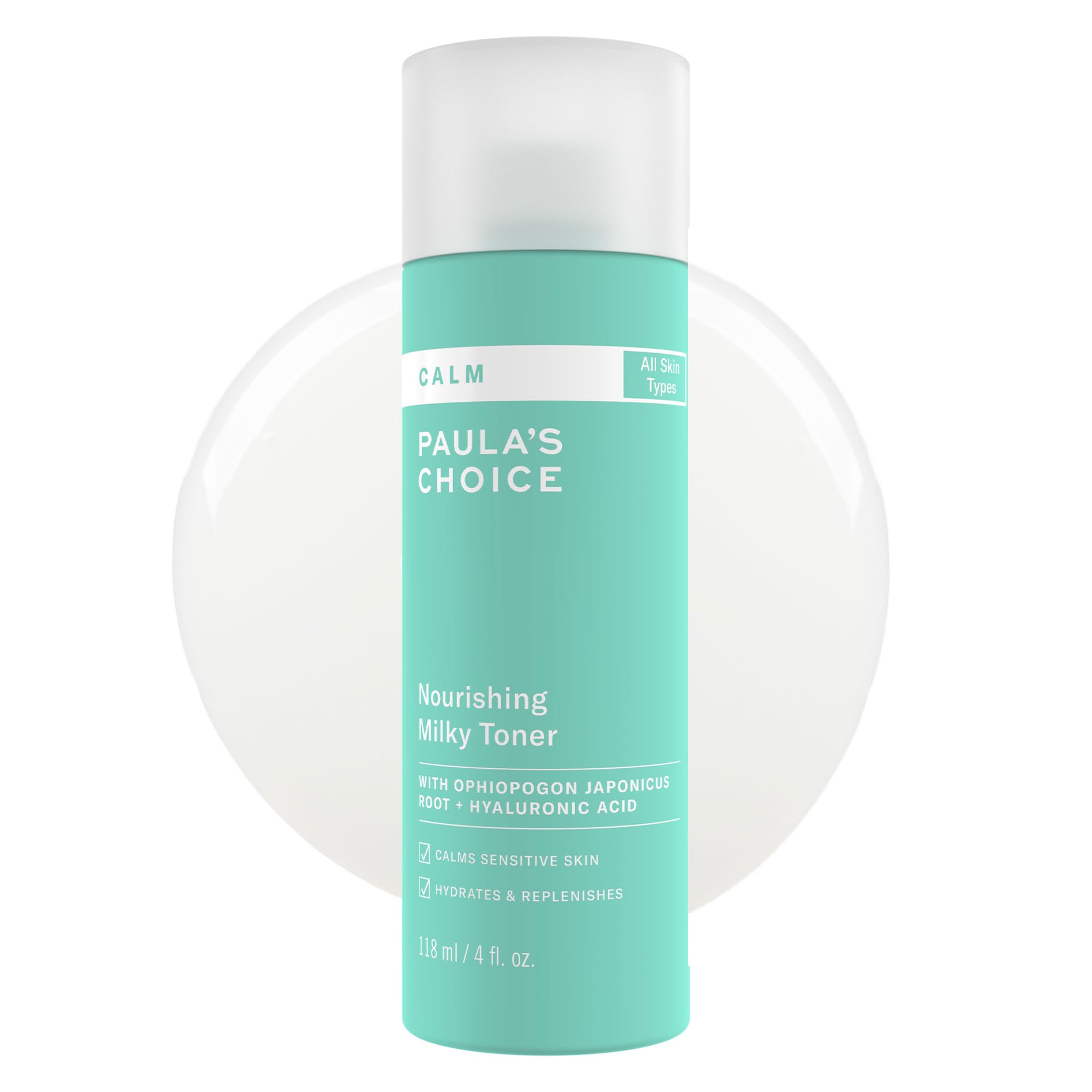
Paula's Choice
Paula's Choice Calm Nourishing Milky Toner for Sensitive Skin, 4 Fl Oz
Best Toner Example. A milky toner that gives me a clean example of toner texture, post-cleanse placement, and why toner is optional rather than mandatory.
Price on Amazon
Shiseido
Shiseido Clear Sunscreen Stick SPF 50+
Best SPF Example. A sunscreen stick with SPF 50+ that anchors the difference between sunscreen format, SPF rating, broad-spectrum protection, and reapplication habits.
Price on Amazon
La Prairie Skin Caviar Essence-in-Lotion 5 oz
Best Essence Example. An essence-in-lotion hybrid that demonstrates why essence, lotion, and hybrid naming can overlap across luxury skincare.
Price on AmazonFinal Comparison
| # | Product | Brand | Best For | Format | Shop |
|---|---|---|---|---|---|
| 1 | Dreamskin Care & Perfect Skin Creator | Dior Beauty | Readers learning the difference between product category and marketing language | 1.7 oz face treatment | Amazon |
| 2 | Exoso-Metic Face Serum | Dr. Barbara Sturm | Understanding what a serum is and how firming language should be read | 1.01 fl oz face serum | Amazon |
| 3 | Super Anti-Aging Serum | Dr. Barbara Sturm | Learning how hydration and anti-aging language can overlap inside one serum | 1.01 fl oz face serum | Amazon |
| 4 | Skin Recovery Face Serum, Anti-Redness Facial Serum, 1 oz | EltaMD | Understanding recovery-style skincare and how redness claims fit into a routine | 1 oz face serum | Amazon |
| 5 | AGELESS Total Eye Lift Crème, 0.5 fl oz | IMAGE Skincare | Learning why eye cream is a product category rather than simply a smaller face moisturizer | 0.5 fl oz eye cream | Amazon |
| 6 | the MAX Masque, 2 fl oz | IMAGE Skincare | Understanding rinse-off or time-limited treatment formats | 2 fl oz face masque | Amazon |
| 7 | NightMode Lip Treatment – Overnight Lip Treatment, .25 oz | Jack Black | Learning how lip care differs from facial serum and moisturizer steps | 0.25 oz overnight lip treatment | Amazon |
| 8 | Black Pine 4D Bio-ShapeLift Plumping Night … | KORRES | Understanding what plumping usually means in topical skincare | Night facial treatment | Amazon |
| 9 | White Pine Meno-Reverse Volumizing Serum-Moisturizer, 1.35 Fl Oz | KORRES | Learning how one product can combine serum and moisturizer roles | 1.35 fl oz serum-moisturizer | Amazon |
| 10 | DeliKate Recovery Serum, 1 Fl Oz | Kate Somerville | Understanding recovery, sensitized skin, and routine simplification | 1 fl oz face serum | Amazon |
| 11 | Liquid ExfoliKate Treatment, 4 Fl Oz | Kate Somerville | Learning how exfoliation differs from cleansing and moisturizing | 4 fl oz liquid exfoliating treatment | Amazon |
| 12 | Shea Butter Ultra Rich Shower Cream 8.40 fl. oz | L'Occitane | Understanding body cleanser, shower cream, and creamy cleansing textures | 8.40 fl oz shower cream | Amazon |
| 13 | Essential Shock Intense Hydro Rescue – Moisturizing Face Serum | Natura Bissé | Understanding hydration, dehydration, rescue, and serum terminology | Moisturizing face serum | Amazon |
| 14 | Inhibit High Definition Serum – Anti-Wrinkle Firming Serum | Natura Bissé | Learning how cosmetic anti-wrinkle wording should be interpreted | Firming face serum | Amazon |
| 15 | Hydrate Light Weightless Gel Cream | Obagi | Understanding gel cream, moisturizer, lightweight texture, and layer count | Lightweight gel cream | Amazon |
My 30-Day Skincare Vocabulary Practice
I would use the first part of the month to identify product format before reading the promise words. Every bottle gets one practical label first—cleanser, toner, essence, serum, exfoliant, moisturizer, sunscreen, mask, eye product, lip product, or body cleanser. That simple habit removes a surprising amount of confusion before ingredients or claims even enter the conversation.
Next, I would translate moisture language into humectant, emollient, occlusive, barrier, dry, and dehydrated concepts, then translate treatment language into exfoliant, retinoid, antioxidant, niacinamide, peptide, brightening, firming, or smoothing roles. I would keep notes on pilling, irritation, and layer order so the vocabulary connects to actual routine behavior rather than remaining a list of definitions.
By the end of the month, I would want to read a luxury skincare label in a fixed order: what is the format, what is the main function, what is the texture, which claims are cosmetic appearance language, which ingredients are genuinely relevant, and what does the product replace in the routine? If I can answer those questions, the marketing language becomes much easier to evaluate calmly.
My final recommendation
Read luxury skincare from the routine outward, not from the adjective inward
I start with the product category, then the main functional role, then texture, ingredients, and only after that the aspirational words. That order keeps serum, moisturizer, exfoliant, mask, eye care, lip care, and sunscreen understandable even when the naming becomes elaborate.
The most useful glossary terms are the ones that change what I actually do: cleanse or leave on, hydrate or exfoliate, use daily or periodically, apply before or after moisturizer, wear sunscreen, reduce overlap, and stop when persistent irritation appears. Luxury vocabulary should make a routine clearer, not harder to decode.
Frequently Asked Questions
What is the difference between a serum and an essence?
I usually treat serum as a more targeted leave-on treatment category and essence as a lighter pre-serum or hydration step, but brands use both terms differently. I check texture and directions instead of assuming a universal hierarchy.
What is the difference between hydrating and moisturizing?
Hydrating language usually focuses on water content, while moisturizing is broader and can include humectants, emollients, and occlusives that improve comfort and reduce water loss.
What does non-comedogenic mean?
It generally means a product is designed or tested with pore-clogging risk in mind, but it does not guarantee that every person will avoid breakouts. Individual response still matters.
Is purging the same as irritation?
No. Purging is commonly discussed with certain turnover-active products, while significant burning, swelling, rash, or persistent redness points toward irritation or another problem and should not be dismissed.
What does broad spectrum SPF mean?
Broad spectrum refers to protection across UVA and UVB ranges under the relevant testing standard. SPF primarily reflects UVB protection, so I look for broad-spectrum labeling and use enough sunscreen consistently.
Read More Beauty Articles
More reads from our Guides collection, selected for their related topics and keywords.

Luxury Beauty Glossary: Makeup Terms Explained
Luxury makeup becomes easier to shop once I stop treating every descriptive word as a product category. Foundation, concealer, bronzer, eyeliner, eyeshadow, mascara, blush, setting…
Read More
Luxury Beauty Glossary: Hair-Care Terms Explained
Hair-care vocabulary becomes confusing when scalp terms, strand terms, treatment claims, styling language, and texture labels are treated as though they all describe the same…
Read More
Peptide Skincare Guide: What to Look For
Peptide skincare becomes easier to shop when I stop counting peptides and start reading the entire formula. Peptides are short chains of amino acids used…
Read More
Niacinamide Guide: Benefits, Strengths, and Pairings
Niacinamide is one of the easiest skincare ingredients for me to place because it can live in serums, toners, moisturizers, eye care, hand care, and…
Read More
How to Shop for Luxury Beauty on Amazon Safely
Shopping for luxury beauty on Amazon can be convenient, but I treat the detail page as the beginning of the check rather than the end.…
Read More
How to Compare Price per Ounce in Luxury Beauty
Price per ounce is one of the cleanest ways I compare two luxury beauty sizes, but only when the units actually describe the same kind…
Read More
How to Verify an Authorized Beauty Seller on Amazon
When I shop luxury beauty on Amazon, I separate the brand from the seller. The page may show a familiar brand name, polished images and…
Read More
How to Organize a Luxury Beauty Collection
A luxury beauty collection becomes harder to enjoy when the products are beautiful, but the storage is chaotic. I want the routine to feel calm:…
Read More