Fine hair can look smoother after straightening and still feel less like the style you wanted. The flyaways are gone, but so is the movement at the crown, and the ends have been passed between the plates several times while you tried to polish one stubborn section. My ideal flat iron for this kind of hair would make a smaller job possible: straighten the pieces that need it, keep enough control to avoid excessive pressure and stop before a soft style becomes uniformly flat. Temperature choice is part of that decision, but the way the plates meet the hair matters too.
The best flat irons for fine hair are not necessarily the ones with the highest maximum heat or widest plates. Fine describes the thickness of an individual strand, not how much hair you have or whether it is naturally straight. A dense head of fine waves can take time to section, while sparse straight hair may need only a light correction around the front. Bleached or weathered ends add another consideration. I would choose for the condition and styling task in front of me rather than assume that all fine hair needs the same setting or the same number of passes.
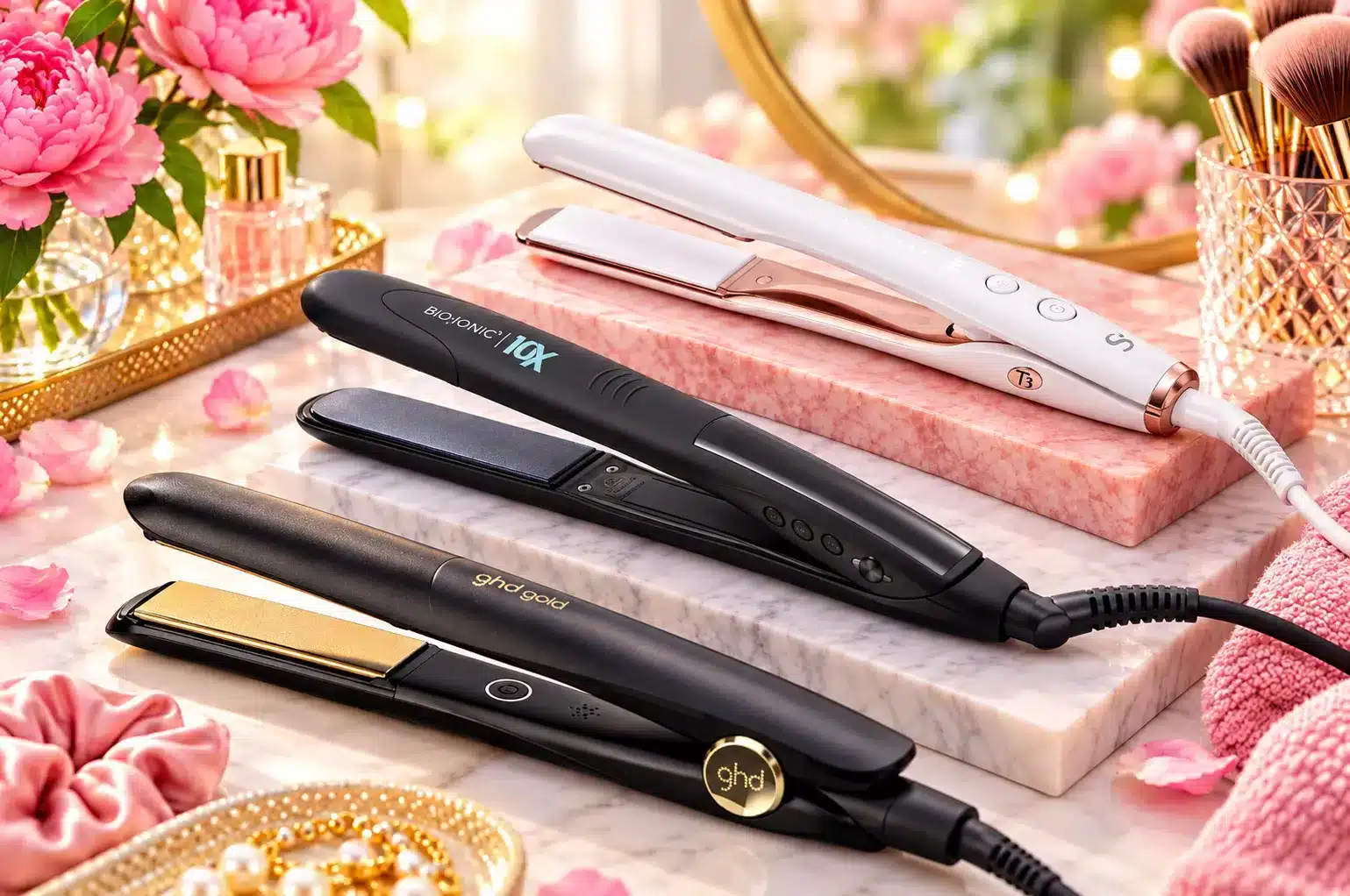
This comparison begins with four different approaches. T3 SinglePass StyleMax offers a heat-selection system and nine settings in a 1-inch format. CHI G2 provides digital adjustment and color-coded temperature ranges. Bio Ionic 10X adds sonic vibrating plates to its adjustable styling iron. ghd Gold takes the simpler route of a fixed 365°F temperature, which is a meaningful limitation if you need a lower setting. Each can straighten hair, but they ask different questions about how much adjustment you want and which controls you find easiest to use.
I would also think carefully about the finish. A straight outline can still have lift at the roots and a slight curve at the ends. You may not need to start every pass close to the scalp, clamp hard or pull the whole section downward under tension. Working on cleanly separated, fully dry hair gives the iron a clearer task. An appropriate heat protectant belongs in that preparation, but it does not make prolonged contact or repeated high-heat passes harmless. When the hair catches or the technique becomes uncomfortable, pause instead of forcing a smoother result.
The guide below compares plate size, controls and everyday handling, with six coaching cards immediately before the reviews to connect those features with real fine-hair situations. Four alternatives offer another mix of price, plate format and convenience. Use the tables to narrow the field, then pay attention to the limitations of your preferred model. The most useful purchase should help you do only the styling you need, leave room for some movement and make it easy to recognize when the section is finished.
My first comparison for fine hair would be between adjustable irons, particularly T3 StyleMax and CHI G2. I would consider ghd Gold only when its fixed 365°F setting is appropriate. Plate materials and extra features cannot guarantee damage-free styling; a controlled section, suitable lower heat and avoiding unnecessary repeat passes remain essential parts of the routine.
Three Starting Flat Irons for Different Control Preferences

T3 SinglePass StyleMax 1-Inch Flat Iron
- 1-inch CeraGloss ceramic plates
- Nine heat settings with texture-based selection
- Curl Mode adjusts the setup for waves and curls

CHI G2 1-Inch Digital Hairstyling Iron
- 1-inch titanium-infused ceramic plates
- Digital adjustment with color-coded temperature ranges
- Preset recommendations; heat capability up to 425°F

ghd Gold 1-Inch Styler
- 1-inch floating ceramic plates and a rounded body
- Dual-zone heat control at a fixed 365°F
- No user-selectable lower temperature
The three starting picks highlight the control decision. T3 is the more guided option, CHI gives you a visible digital setting and ghd removes temperature selection altogether. Bio Ionic belongs in the full comparison when its vibrating-plate feel is a feature you specifically want to explore. I would not pay for vibration simply because it sounds more advanced if a straightforward adjustable iron already addresses the problem.
A useful comparison also includes the hair after you finish. If the roots look flatter than intended, changing plate pressure and where the pass begins may help more than changing brands. If the ends catch, check section preparation, residue and the plate condition before adding heat. Start by naming the recurring frustration in the present routine. That gives each control or design feature a practical purpose, rather than making the purchase depend on a promise of gloss.
Flat Irons for Fine Hair at a Glance
T3 SinglePass StyleMax 1-Inch Flat Iron
- 1-inch CeraGloss ceramic plates
- Nine heat settings with texture-based selection
- Curl Mode adjusts the setup for waves and curls
- One-hour automatic shutoff and universal voltage
CHI G2 1-Inch Digital Hairstyling Iron
- 1-inch titanium-infused ceramic plates
- Digital adjustment with color-coded temperature ranges
- Preset recommendations; heat capability up to 425°F
- Dual voltage and one-hour automatic shutoff

Bio Ionic 10X 1-Inch Styling Iron
- 1-inch ceramic sonic vibrating plates
- Variable heat settings up to 450°F
- Rounded body for straightening, bend or waves
- One-hour automatic shutoff and a 9-foot swivel cord
ghd Gold 1-Inch Styler
- 1-inch floating ceramic plates and a rounded body
- Dual-zone heat control at a fixed 365°F
- No user-selectable lower temperature
- Thirty-minute sleep mode and universal voltage
Quick Ranking by Fine-Hair Styling Preference
| Styling Preference | Product | Format | Price |
|---|---|---|---|
| Guided Heat Choice | T3 SinglePass StyleMax 1-Inch Flat Iron | 1-inch ceramic plates | Price on Amazon |
| Direct Digital Control | CHI G2 1-Inch Digital Hairstyling Iron | 1-inch titanium-infused ceramic | Price on Amazon |
| Vibrating Plate Option | Bio Ionic 10X 1-Inch Styling Iron | 1-inch vibrating ceramic plates | Price on Amazon |
| Fixed Temperature Simplicity | ghd Gold 1-Inch Styler | 1-inch floating ceramic plates | Price on Amazon |
How I Match Flat Irons to Fine Hair
Fine strands can need very different kinds of styling help. These six coaching matches connect common situations with an iron feature and a practical adjustment. They are starting points for choosing and using a tool, with the exact model instructions and the condition of your hair guiding the final setting.
Fine Hair with Light Natural Wave
T3 StyleMax and CHI G2 are the adjustable starting comparisons. Work on small, organized sections and choose a lower suitable heat setting. The aim is enough smoothing to create the outline you want, rather than repeatedly chasing every trace of natural movement through the whole head.
Fine but Dense Hair
More hair often means more sectioning, not automatically more heat. A 1-inch iron can still work well if clips keep the upper layers separate. Give the plates a section they can guide evenly instead of compressing a thick bundle and then compensating with repeated passes.
Lightened or Fragile Ends
Prioritize an appropriate lower setting and a controlled grip. T3 and CHI offer adjustment; ghd Gold does not let you go below 365°F. Avoid using an automatic recommendation as permission to ignore condition. If the ends are breaking or feel unusually fragile, reconsider direct heat rather than increasing it.
Smooth Lengths with Root Lift
Leave the crown's natural lift alone unless it needs correction. Begin only where the section requires smoothing and avoid pulling everything tightly downward from the scalp. Bio Ionic's rounded design or a conventional 1-inch iron can help add a slight bend, but the brush-out and direction of the pass still matter.
A Simple, Familiar Routine
ghd Gold has a single styling temperature, which may suit someone who finds it appropriate and wants minimal controls. For a buyer who needs to experiment with lower heat, simplicity is less useful than adjustability. Decide that point before choosing the iron by its streamlined appearance.
Small Touch-Ups between Washes
Use the tool on the piece that needs attention rather than resetting the whole style. A 1-inch plate format can be practical around a suitable front section. Keep the hair fully dry, use the model's guidance and stop after the correction instead of treating every touch-up as another complete straightening session.
Best Flat Irons for Fine Hair: Detailed Reviews
1. T3 SinglePass StyleMax 1-Inch Flat Iron
The appealing feature of T3 StyleMax is the way it asks you to choose heat, rather than simply presenting a powerful maximum. The iron uses a hair-texture input to recommend one of nine settings, and it has a separate Curl Mode for waving and curling. I would compare it first when a basic dial leaves me uncertain about where to start. The system is useful as a guide, not as a substitute for noticing the condition of the hair or reading the instructions for the exact model.
Its 1-inch CeraGloss ceramic plates offer a manageable format for smoothing a front section, working through a bob or adding a little bend to longer lengths. That versatility can matter on fine hair because a completely straight pass is not always the finish you want. Keep the pressure gentle enough to guide the section rather than squeeze it flat, and change the direction only as much as the intended shape requires. A narrow plate does not prevent overworking the same area; the benefit is the control it may give your own handling.
There is a learning step before the convenience becomes useful. I would identify the texture selection, manual adjustments and Curl Mode before heating the iron, then keep the first styling trial simple. Use the mode for the task you are actually doing and avoid changing several inputs while repeatedly passing over one section. If you normally want only straightening, there is no need to introduce waves merely because the feature is available. The extra controls earn their place when they make an existing routine clearer, not when they create another set of decisions every morning.
Compared with CHI G2, T3 offers a more guided interface. Compared with ghd Gold, it gives more choice, which is the stronger attraction for fine hair that needs a lower suitable start. The tradeoff is setup: someone who prefers direct numerical adjustment may find CHI easier to understand. I would choose StyleMax when the guided selection and ceramic format solve a specific problem, while keeping expectations realistic. Neither the SinglePass name nor the automated recommendation guarantees that every section will look finished in one pass or remain free of heat damage.
T3
Guided Heat Choice
T3 SinglePass StyleMax 1-Inch Flat Iron
A ceramic iron with a heat-selection system for buyers who want more guidance and adjustment.
Price on AmazonStyleMax Plate Format, Modes and Heat Selection
- 1-inch CeraGloss ceramic plates
- Nine heat settings with texture-based selection
- Curl Mode adjusts the setup for waves and curls
- One-hour automatic shutoff and universal voltage
T3 Advantages and Interface Learning Notes
Pros
- Guidance can make heat selection easier to approach
- Several settings leave more choice than a fixed-temperature tool
- 1-inch format supports smoothing and selective bend
Cons
- More interface steps to learn than a basic iron
- Automated guidance still requires attention to hair condition
Learn the controls cool and unplugged, then test one manageable section using an appropriate lower setting. I would assess the result before changing mode or heat. A clear first trial is more useful than moving between several settings while repeatedly styling the same fine ends.
My Verdict on Guided Fine-Hair Styling
StyleMax is my strongest starting comparison for someone who wants guided heat choice and adjustment in a ceramic iron. Choose it for that interface, provided you are willing to learn it. A more direct digital tool may be preferable if recommendations feel less intuitive than selecting a number.
2. CHI G2 1-Inch Digital Hairstyling Iron
A visible setting can be more reassuring than a styling mode when you want to know exactly what you have selected. CHI G2 takes that approach with digital temperature control, color-coded ranges and preset recommendations. The 1-inch plates use titanium-infused ceramic, making this a different construction from either plain ceramic or an all-titanium plate description. I would compare it for a buyer who wants straightforward adjustment and a familiar flat-iron grip, particularly when a fixed setting removes a choice they need.
The temperature range reaches up to 425°F, but the maximum is not the reason to choose G2 for fine hair. My interest would be the ability to begin with a lower appropriate selection and keep it visible while working through the sections. Preset recommendations should be read alongside the hair's condition, especially when the ends have been lightened or repeatedly styled. Fine but dense hair may require more clips and smaller sections, rather than a hotter setting simply because the session takes longer.
Handling deserves the same attention as the display. Guide the hair with fluid movement and enough plate contact to keep the section organized, without squeezing harder in pursuit of a glossy finish. If the hair catches, stop and investigate the section or plate condition. I would also notice whether the control buttons are easy to avoid during the pass, since accidentally changing the setting defeats the advantage of direct control. The best digital interface is one you can check without it distracting from the hand movement near the face.
G2's one-hour automatic shutoff and swivel cord are practical ownership features, with the normal need to unplug and allow the iron to cool afterward. Its role in this comparison is clear: direct adjustment for someone who does not want a guided mode system. T3 may make more sense if you prefer the help of texture-based selection. ghd may feel simpler if its one temperature suits you. I would choose CHI when seeing and choosing the setting is the part that makes the routine easier to manage.
CHI
Direct Digital Control
CHI G2 1-Inch Digital Hairstyling Iron
An adjustable digital iron with color-coded temperature ranges and titanium-infused ceramic plates.
Price on AmazonG2 Plate Construction and Digital Temperature Controls
- 1-inch titanium-infused ceramic plates
- Digital adjustment with color-coded temperature ranges
- Preset recommendations; heat capability up to 425°F
- Dual voltage and one-hour automatic shutoff
CHI Control Benefits and Preset Limitations
Pros
- Visible digital selection supports deliberate adjustment
- 1-inch plates offer a versatile everyday format
- Familiar controls without a texture-input routine
Cons
- Preset labels do not replace judgment about damaged lengths
- Control placement should be checked against your natural grip
Before starting a pass, confirm the selected setting rather than relying only on the display color. I would use clips to keep fine, dense hair organized and leave already-smooth pieces alone. Direct control is most useful when it reduces corrections, not when it encourages constant temperature changes.
Who I Would Choose the Digital G2 For
CHI G2 is a persuasive comparison when adjustable digital heat matters more than automated guidance. I would buy it for the clear control approach and manageable plate width, while keeping the chosen setting tied to condition and technique rather than the highest number available.
3. Bio Ionic 10X 1-Inch Styling Iron
Sonic vibrating plates are the feature that separates Bio Ionic 10X from the more conventional irons here. They change the way the tool feels in use, so I would treat them as a preference worth evaluating rather than an automatic upgrade for fine hair. The 1-inch ceramic plate format and rounded body also support a routine that includes straightening, a small curve at the ends or soft waves. The important question is whether that combination makes the section easier for you to guide with light, controlled pressure.
Variable heat up to 450°F provides adjustment, and the specific temperature should follow the hair's condition and the model guidance. I would not buy the iron for that high limit or assume that vibrating plates make high heat appropriate for delicate strands. Nor would I interpret the Moisturizing Heat name as a promise that the tool repairs damaged hair. Those expectations can lead to more frequent styling when a gentler routine would be the better choice. The useful comparison is the control, grip and plate movement, with heat exposure still kept in view.
Fine hair often needs only part of a section corrected. The rounded shape can be helpful when a straight pass would leave the ends too rigid, but there is no need to turn every piece into a wave. Begin with the finish you want and keep the movement modest. If the vibration feels distracting or makes it harder to judge the grip, a standard plate design may be more comfortable. An extra feature is valuable only when it improves the routine for the person using it.
Be precise about the version when comparing features. Bio Ionic has updated the 10X family, and the 1-inch model here should be assessed on its own controls and instructions. I would not assume a newer design's memory function or other additions appear on every 10X iron. This version offers a one-hour automatic shutoff and a 9-foot swivel cord, with normal cleaning and storage needs. Choose it when adjustable styling and the vibrating-plate approach are features you actively want, rather than because a technical name sounds like protection from all heat damage.
Bio Ionic
Vibrating Plate Option
Bio Ionic 10X 1-Inch Styling Iron
An adjustable ceramic styling iron with sonic vibrating plates and a rounded body.
Price on Amazon10X Plate Movement, Shape and Adjustable Heat
- 1-inch ceramic sonic vibrating plates
- Variable heat settings up to 450°F
- Rounded body for straightening, bend or waves
- One-hour automatic shutoff and a 9-foot swivel cord
Bio Ionic Conveniences and Version Considerations
Pros
- Vibration offers a different plate-guiding experience
- Rounded shape supports a less rigid finish
- Adjustable heat allows a choice of starting settings
Cons
- Vibrating feel may not suit every preference
- 10X generations should not be treated as identical
I would assess comfort before speed: can the section be guided lightly, and do the plates release without catching? Compare one modest bend with one straight pass on suitable sections. Do not interpret a fast result as a reason to increase how often the fine lengths are reheated.
My Verdict on the Vibrating-Plate Approach
Choose 10X if the vibrating plates and rounded styling format are meaningful preferences for you. A simpler adjustable iron is a better comparison if those features add little to the way you wear your hair. The technology does not remove the need for controlled heat and sectioning.
4. ghd Gold 1-Inch Styler
ghd Gold is the easiest iron here to describe and the one whose main limitation should be understood first. Its dual-zone system maintains a fixed 365°F styling temperature; there is no lower setting to select. I would consider it when that temperature is appropriate and the buyer wants a simple routine with minimal controls. For fine hair that needs more flexibility, an adjustable iron is a more direct starting point, however attractive the ghd's streamlined design may be.
The 1-inch floating ceramic plates and rounded body offer a familiar format for smoothing or introducing a slight bend. That is useful when the goal is a polished outline with some movement left through the lengths. The tool does not require you to clamp every section from the roots downward. I would leave the crown alone if it already has the lift I want and concentrate on the areas that need correction. The technique matters because a sleek result can become flatter than intended even when the iron itself glides comfortably.
Fewer controls can reduce a small frustration, particularly for someone who has a consistent style and dislikes navigating modes. The tradeoff is that a simplified interface cannot respond to a day when the ends feel more fragile by offering a lower choice. Heat-control technology and temperature adjustability are separate features. A device may work to hold its selected temperature steadily while giving the user only one temperature at all. I would make that distinction central to the purchase rather than assume the word smart means unlimited personalization.
Gold has a thirty-minute automatic sleep mode, a protective plate guard and universal voltage. The guard and sleep feature do not replace switching off, unplugging and following the cooling guidance before storage. Compared with T3 and CHI, this is a more specific recommendation: choose it for an uncomplicated routine only after accepting the fixed setting. I would not make it the default for every fine-haired person. The strongest reason to buy is that its controls, plate format and finish preference suit your routine without requiring temperature adjustment.
ghd
Fixed Temperature Simplicity
ghd Gold 1-Inch Styler
A streamlined ceramic styler for buyers whose routine suits a fixed 365°F temperature.
Price on AmazonGold Plate Format and Fixed Heat System
- 1-inch floating ceramic plates and a rounded body
- Dual-zone heat control at a fixed 365°F
- No user-selectable lower temperature
- Thirty-minute sleep mode and universal voltage
ghd Simplicity Benefits and Temperature Restriction
Pros
- Minimal controls keep setup straightforward
- Rounded body allows straight styling or a small bend
- Familiar plate width is useful for selective smoothing
Cons
- Fixed 365°F limits heat choice for delicate hair
- Simple operation does not mean suitable for every fine-hair condition
Treat the temperature decision as part of choosing the iron, not something to solve after purchase. If the fixed setting is suitable, I would use it for selected corrections and keep pressure light. If lower heat is needed, choose an adjustable tool instead of trying to rush the pass.
My Conditional Recommendation for ghd Gold
ghd Gold suits a buyer who wants simplicity and can use its fixed temperature appropriately. It is the conditional option in this group. For more room to adapt heat to fine or processed lengths, I would start with T3, CHI or another suitable adjustable iron.
Four Alternative Flat-Iron Brands

Dyson Corrale Hair Straightener
Dyson Corrale is a different ownership proposition when cord-free handling is the feature you want. Its flexing plates and three heat settings, 330°F, 365°F and 410°F, should be compared with the wider adjustment choices of T3 or CHI. I would weigh charging, handling and the lowest available setting before paying for portability. The cord-free option does not make it a travel solution without conditions; follow the battery and transport instructions for the exact unit. Consider it for convenience that you will use, not as a guarantee of damage-free styling.
Price on Amazon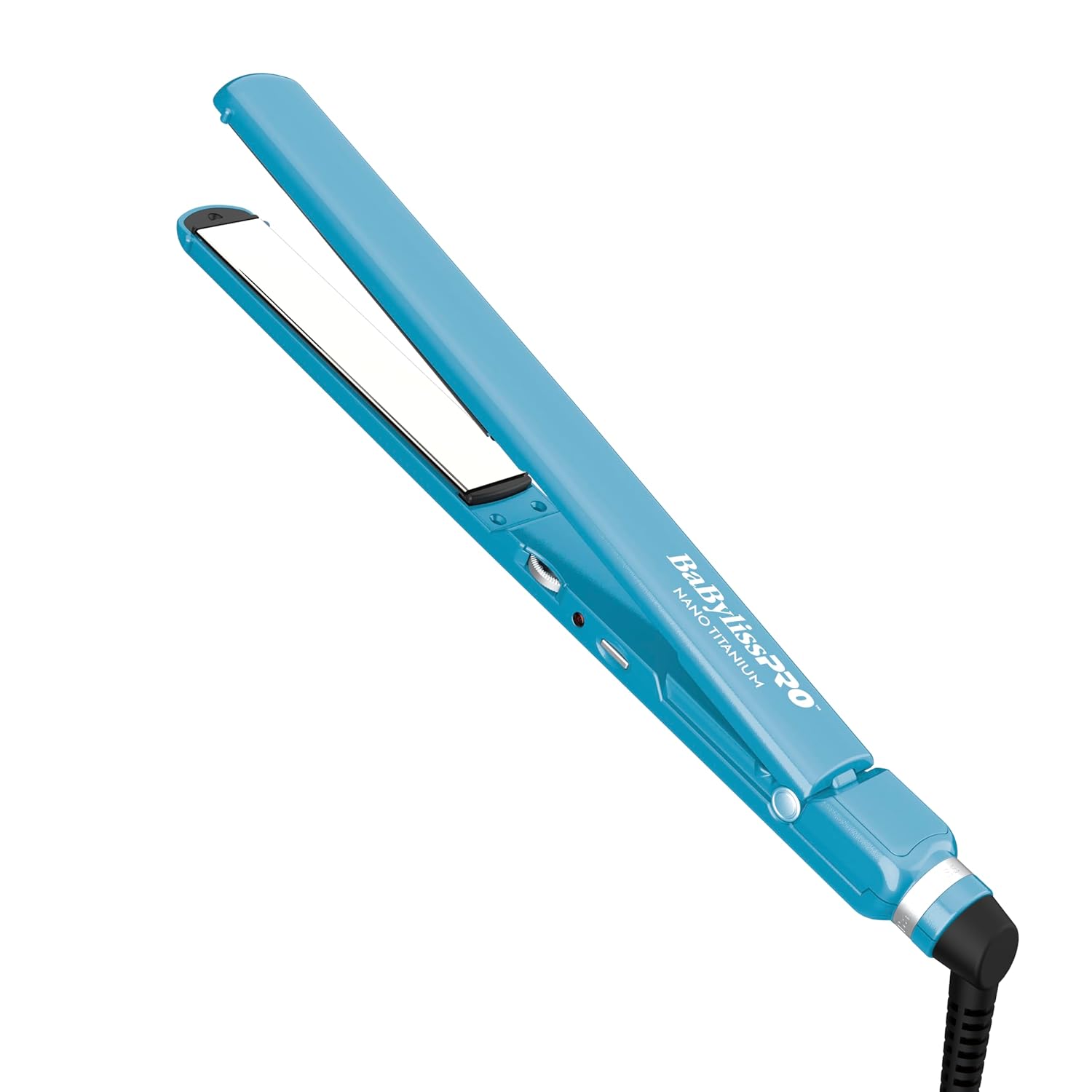
BaBylissPRO Nano Titanium 1-Inch Ultra-Thin Flat Iron
BaBylissPRO Ultra-Thin provides another slim 1-inch format with fifty heat positions. It is worth comparing when handle profile and plate reach matter, but do not confuse it with the newer Digital Ultra-Thin series. The numbered adjustment system is a different experience from a screen showing a selected temperature. I would begin with the lower suitable part of the model's guide and assess the grip on a manageable section. The titanium plates and high heat capability are not reasons to use more heat on fine hair.
Price on Amazon
Kristin Ess 3-in-One Ceramic Flat Iron
Kristin Ess offers 1.25-inch ceramic floating plates and four temperature presets for straightening, bend and waves. The wider plate format is worth considering for someone who wants more coverage through suitable sections, while a 1-inch iron may feel easier around shorter layers. Compare the actual preset choices before deciding that four is enough for your hair's condition. This ceramic model is separate from the brand's titanium flat irons. It belongs on the shortlist for its plate format and simple presets, rather than a promise that one tool makes every finish equally easy.
Price on Amazon
Remington 1-Inch Anti-Static Flat Iron S5500
Remington's 1-inch Anti-Static iron is the more accessible comparison for a straightforward adjustable tool. The digital controls and narrow plate format may be enough for occasional smoothing when the available settings fit the hair. Check the exact model guidance instead of assuming the lowest position is as low as every premium competitor. I would judge how the plates close and release a fine section, then weigh that against the price. Anti-static wording does not promise that all flyaways disappear or that repeated passes become harmless.
Price on AmazonFinal Flat Iron Comparison
| Product | Best For | Heat Controls | Plate Format | Consideration | Price |
|---|---|---|---|---|---|
| T3 SinglePass StyleMax 1-Inch Flat Iron | Guided Heat Choice | 9 heat settings; guided selection | 1-inch ceramic plates | More interface steps to learn than a basic iron | Price on Amazon |
| CHI G2 1-Inch Digital Hairstyling Iron | Direct Digital Control | Digital adjustment, up to 425°F | 1-inch titanium-infused ceramic | Preset labels do not replace judgment about damaged lengths | Price on Amazon |
| Bio Ionic 10X 1-Inch Styling Iron | Vibrating Plate Option | Variable, up to 450°F | 1-inch vibrating ceramic plates | Vibrating feel may not suit every preference | Price on Amazon |
| ghd Gold 1-Inch Styler | Fixed Temperature Simplicity | Fixed 365°F | 1-inch floating ceramic plates | Fixed 365°F limits heat choice for delicate hair | Price on Amazon |
A Practical Fine-Hair Straightening Routine
Begin with the finish you want to preserve. If the roots have useful lift and only the lower lengths look uneven, make those lengths the task. If one front piece has bent awkwardly, isolate it instead of deciding that the whole head needs straightening. This small plan is particularly useful for fine hair because the difference between polished and overly flat can be a few unnecessary passes. The iron should correct the style you have, rather than automatically replace all of its movement.
Prepare fully dry, gently detangled hair and use an appropriate heat protectant as directed. Allow preparation moisture to dry before direct heat. Keep the first routine free of several new styling products so a heavy finish is easier to understand. Set out clips and a suitable heat-resistant resting surface on a dry worktop. Check the cord route and read the model instructions for the controls, heat selection and safe handling before turning the iron on.
Separate a manageable section and choose a lower suitable setting where adjustment is available. Close the plates with enough control to guide the hair, then make a fluid pass without lingering in one place. Keep the hot surfaces away from skin. If the ends need a slight turn, use only the movement required and release cleanly. If the section catches or the grip becomes uncomfortable, stop. Pulling harder is not a useful way to test whether an iron suits fine strands.
Assess the section before repeating the pass. It may already be smooth enough for the intended finish even when a few natural flyaways remain. Give the hair a chance to settle, and consider whether the remaining issue is section size or direction rather than insufficient heat. Avoid repeatedly polishing already-straight ends while trying to correct a different part of the hair. I would keep a touch-up focused on the place that actually needs attention, rather than use it as another full styling session.
Afterward, switch off and unplug, let the iron cool completely and clean it only by the method approved for its materials and electronics. Store with the cable relaxed and plates protected from residue or physical damage. The next day, consider a gentler correction before reaching for heat again. No single tool determines a safe frequency for every person, and hair that feels fragile deserves a change in routine rather than a stronger setting. A useful flat iron should make controlled, limited styling easier to maintain.
Final Recommendation
T3 StyleMax and CHI G2 are my first comparisons when fine hair needs adjustable heat. Choose T3 if texture-based guidance is helpful, or CHI if a direct digital selection feels clearer. Bio Ionic 10X is the additional option when you specifically want its vibrating plates and rounded styling format.
ghd Gold is a more conditional purchase because its fixed 365°F setting removes the lower-temperature choice. I would decide that point before paying for simpler controls. Whatever the model, buy for a manageable section, a comfortable grip and the finish you actually wear. A few deliberate corrections that keep the roots and ends looking natural can be more satisfying than straightening every strand simply because the tool is hot.
Frequently Asked Questions
Which flat irons would you compare first for fine hair?
T3 SinglePass StyleMax and CHI G2 are my adjustable starting comparisons. T3 adds guided heat selection, while CHI offers more direct digital control. Bio Ionic 10X provides another adjustable option with vibrating plates. I would consider a fixed-temperature iron only after deciding that its setting is appropriate for the routine.
What temperature should I use on fine hair?
There is no single appropriate number for every fine-haired person. Condition, processing history, texture and the exact tool instructions matter. Begin with a lower suitable setting where the iron allows it, using a manageable section. If the hair feels fragile or catches, pause rather than automatically increasing heat or repeating the pass.
Does ghd Gold allow a lower heat setting?
Gold uses a fixed 365°F styling temperature. Its heat-control system works to maintain that setting, but it does not offer a lower user-selected option. If temperature flexibility is important, compare an adjustable iron. Minimal controls can be convenient without making a fixed setting the right choice for every head of fine hair.
Are ceramic plates always better than titanium for fine hair?
The material name alone cannot settle the purchase. Look at the available settings, plate contact, grip and how easily a prepared section releases. Ceramic, titanium-infused ceramic and titanium tools can have very different controls. None guarantees damage-free styling, and a gentle routine still depends on appropriate heat and limited repeat work.
Will a wider plate help me finish fine hair faster?
It may cover a wider suitable section, but it can be less convenient around shorter layers or small corrections. Fine but dense hair often benefits from more organized sectioning rather than forcing a thick bundle through larger plates. I would choose width for access and control, then judge whether the extra coverage is useful.
What do Bio Ionic 10X vibrating plates change?
They create a different plate-guiding experience from a conventional iron, alongside the adjustable heat and rounded body. Whether that feel is helpful is a personal handling preference. I would compare it for comfort and control rather than assume vibration prevents damage or makes a higher temperature appropriate.
How is T3 StyleMax different from a simple temperature dial?
StyleMax uses a hair-texture input to guide selection among nine settings and offers a Curl Mode for waving or curling. That can make setup clearer for some buyers, while others prefer direct digital adjustment. The recommendation remains a starting aid; condition and the instructions still guide appropriate use.
Why does my hair look too flat after straightening?
Look at how close to the roots the pass begins, how strongly the hair is pulled downward and whether preparation products are too heavy. You may only need to smooth part of the section. Leave useful crown lift alone and try a little movement at the ends rather than repeatedly flattening the whole length.
Can I use a flat iron while my hair is slightly damp?
For these direct-heat tools, begin with completely dry hair and follow the exact model instructions. Moisture from preparation products should dry as well. A flat iron is not a replacement for a dryer, and attempting to finish drying a section between heated plates is not an appropriate shortcut.
Should I keep passing over flyaways until they disappear?
Avoid turning every flyaway into another heated correction. Check section preparation, product residue and whether the hair is already smooth enough for the desired style. A few natural pieces do not necessarily mean the iron has failed. I would keep repeat work limited and stop when handling becomes uncomfortable or the hair catches.
Is a cordless straightener automatically better for travel?
Cord-free handling and travel suitability are different questions. A battery-powered iron may have transport restrictions and its own charging requirements. Check the exact rating, battery instructions and carrier rules before packing. A corded dual-voltage iron has different considerations, and a plug adapter alone does not convert the electrical supply.
How should I maintain the plates and cord?
Unplug and let the iron cool fully before cleaning by its approved method. Remove residue without immersing the device or scraping the plate surface. Store with the cable relaxed and the plates protected. If the cord is damaged or the iron behaves unusually, stop using it and follow the service guidance.
Read More Beauty Articles
More reads from our Tools collection, selected for their related topics and keywords.

Best Flat Irons for Thick Hair
Straightening a thick head of hair can become a job of managing the hair you are not working on yet. A top section falls into…
Read More
Best Hair Styling Tools for Salon-Worthy Results
A smooth blowout, a sharply defined curl, and a glossy straight finish begin with different movements. That is why buying the best hair styling tools…
Read More
Best Rechargeable Beauty Tools for Travel
A travel beauty kit becomes complicated surprisingly quickly. One tool needs a magnetic cable, another uses USB-C, and a third works beautifully only when its…
Read More
Best Travel Beauty Tools for a Carry-On
The carry-on is zipped, the liquids bag is full, and there is still a question on the bathroom counter: which beauty tool actually deserves to…
Read More
Best Face Rollers for a Cooling Skincare Routine
A chilled roller is one of the few beauty tools that can make an early morning feel immediately more comfortable, yet not every roller delivers…
Read More
Facial Cleansing Brushes for Gentle Cleansing
A cleansing brush can be the most pleasant part of a nighttime skincare routine—or the one extra step that leaves your cheeks unexpectedly tight. The…
Read More
Best Microcurrent Devices for the Face
The most important part of a microcurrent device is the routine that comes with it. Before thinking about a more sculpted-looking jawline or a firmer…
Read More
Best Travel Makeup Brush Sets
The brush that gets left behind is often the one that makes a travel makeup bag feel incomplete. A powder brush is easy to remember;…
Read More