Sensitive skin makes a face-oil purchase less about collecting beautiful ingredients and more about knowing what your face will welcome. A bottle can look luxurious, spread smoothly, and still be the wrong choice if it contains something you already avoid. I would begin with your ingredient history and the job you want the oil to perform. Extra softness after moisturizer is a clear brief. Trying to calm every episode of redness with a new botanical blend is a much less dependable starting point.
The best luxury face oils for sensitive skin need a careful comparison because luxury and compatibility are separate questions. An elegant formula is only enjoyable when it fits your routine. A single-ingredient jojoba oil can be more appealing than a complex prestige blend for someone who prefers fewer variables, while a fragrance-free facial formulation may suit a reader who wants an oil designed specifically for that final skincare step. Neither approach guarantees tolerance, but both give the purchase a clearer purpose.
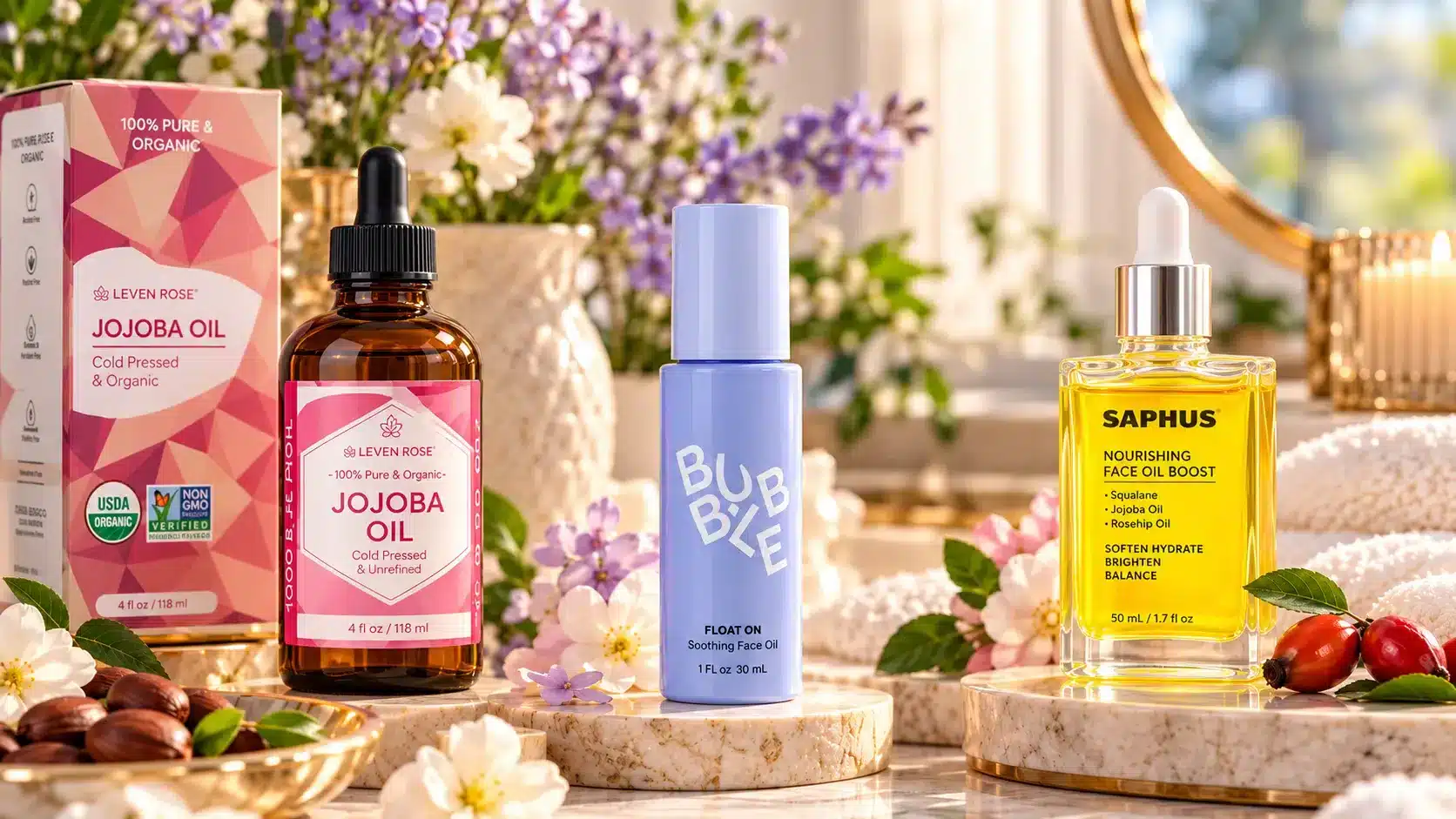
This selection includes accessible carrier oils as well as dedicated facial blends, with four prestige or formulated alternatives later in the guide. Not every main choice is luxury-priced. Three jojoba options appear because their practical purchase appeal differs, not because changing brands automatically changes what jojoba does. Leven Rose offers a cold-pressed, unrefined direction; Handcraft Blends emphasizes an organic multipurpose oil; Yoken provides another organic single-oil option. There is no reason to buy all three for one routine.
The scented choices also need an honest place in the discussion. Original Bio-Oil contains fragrance and aromatic botanical ingredients. Badger’s Rose Face Oil includes rose, lavender, and Roman chamomile oils. I would not place either at the front of a fragrance-avoidance shortlist, even when sensitive-skin language accompanies the product. A reader who already tolerates one may enjoy its emollient role, but a familiar name or an organic label should not outweigh a known reaction to an ingredient.
For a dedicated blend, Bubble Float On and SAPHUS offer different fragrance-free directions. NOW Solutions Grapeseed Oil and Botanical Beauty Rosehip Seed Oil keep the comparison closer to individual plant oils. Those differences are useful only when connected to everyday decisions: how much oil you need, where you apply it, whether the finish suits your makeup, and whether your usual moisturizer already supplies enough comfort.
My aim is a smaller, more understandable routine, with optional oil where it adds something worthwhile. These reviews consider texture, formula identity, and limitations without promising that any cosmetic bottle can treat an ongoing skin condition. Keep a moisturizer you tolerate at the center of the routine, introduce unfamiliar products individually, and make the final choice through your own comfort rather than the most persuasive claim on a label.
Top 3 Face Oil Picks

Leven Rose Organic Jojoba Oil
- Pure jojoba-oil identity
- Cold-pressed and unrefined
- No rose-oil blend

Bubble Float On Soothing Facial Oil
- Fragrance-free facial formulation
- Safflower and prickly pear oils
- Neem and buriti oils

SAPHUS Lightweight Face Oil
- Squalane, jojoba, and rosehip
- Fragrance-free formulation
- Dedicated facial-oil blend
An oil should have a useful answer to a simple question: what does it add after the products you already tolerate? If the answer is extra slip and softness on dry cheeks, the purchase has a defined role. If the answer is a vague hope that more botanicals will fix unexplained discomfort, pause before expanding the routine.
The comparison below separates plain oils, formulated blends, and scented options. That separation matters more than treating every bottle as a competitor for the same badge. A short ingredient list may suit your preferences, but it does not prove that the ingredient itself agrees with you. A fragrance-free blend may be appealing, but its other components still deserve consideration.
The Nine Face Oils at a Glance

Bio-Oil Original Skincare Oil
- Original mineral-oil-based formula
- Fragrance and aromatic botanicals
- Face-and-body cosmetic use
- Optional softening oil layer

Handcraft Blends USDA Organic Jojoba Oil
- Single-ingredient jojoba oil
- USDA Organic certification
- Cold-pressed production
- Face, skin, and hair versatility

Yoken Organic Jojoba Oil
- Organic jojoba-oil direction
- Cold-pressed and unrefined
- Single botanical ingredient
- Face and multipurpose care
Leven Rose Organic Jojoba Oil
- Pure jojoba-oil identity
- Cold-pressed and unrefined
- No rose-oil blend
- Optional facial emollient step

Badger Rose Face Oil
- Jojoba, baobab, and pomegranate oils
- Rose and lavender oils
- Roman chamomile oil included
- Complex organic botanical blend
SAPHUS Lightweight Face Oil
- Squalane, jojoba, and rosehip
- Fragrance-free formulation
- Dedicated facial-oil blend
- Lightweight-format positioning
Bubble Float On Soothing Facial Oil
- Fragrance-free facial formulation
- Safflower and prickly pear oils
- Neem and buriti oils
- Use after moisturizer; allow 1–2 minutes

NOW Solutions Grapeseed Oil
- Vitis vinifera seed oil
- Single-ingredient formulation
- Light, odorless product direction
- Multipurpose emollient use

Botanical Beauty Rosehip Seed Oil
- Rosa rubiginosa oil
- Focused rosehip seed-oil identity
- Different from rose essential oil
- Multipurpose cosmetic emollient
How to Choose and Use a Face Oil for Sensitive Skin
When fewer ingredients are welcome
Start with the single-oil directions: jojoba, grapeseed, or rosehip. Leven Rose, Handcraft Blends, and Yoken offer jojoba options with similar core purposes. Choose one through practical preferences rather than stacking them. A shorter formula makes the ingredient decision easier to understand, but does not remove the need to consider your own tolerance.
When fragrance is a known problem
Put original Bio-Oil and Badger’s aromatic rose blend outside your first shortlist. Fragrance can come from perfume ingredients or essential oils, including naturally scented plant oils. Consider a fragrance-free facial blend or a plain oil you tolerate instead. Organic and natural language should never overrule a known ingredient reaction.
When you want a formulated face oil
Bubble Float On and SAPHUS provide dedicated facial-blend directions rather than a basic carrier oil. The decision is whether you want a formulated finishing experience with several emollients or the narrower identity of one botanical oil. Keep other skincare familiar while introducing the blend so its contribution is easier to assess.
When only the cheeks feel dry
Use oil selectively. The center of the face may already have the finish you want, while the outer cheeks benefit from a small amount of extra softness. Avoid a full-face application simply to follow a beauty ritual. Placement and quantity can matter as much as choosing between two otherwise similar oils.
When makeup needs a quieter finish
Assess the smallest useful oil amount with your usual moisturizer, sunscreen, and base. Extra slip is not always helpful beneath makeup. If the routine becomes less dependable, reserve the oil for evenings rather than adding more powder to compensate. Keep sunscreen separate and apply it as directed.
When the skin is actively irritated
A new cosmetic oil is not the right way to investigate persistent burning, cracking, or an unexplained rash. Stop a product that causes a reaction and seek individual professional advice when symptoms continue. Once the skin is comfortable, an optional oil can be considered through a clear cosmetic purpose rather than as a rescue treatment.
Quick Ranking: Match the Formula to Your Preferences
| Choice | Face Oil | Primary Preference | Price |
|---|---|---|---|
| Facial Blend Favorite | Bubble Float On Soothing Facial Oil | A fragrance-free oil with a clear after-moisturizer role. | Price on Amazon |
| Focused Jojoba | Leven Rose Organic Jojoba Oil | A cold-pressed, unrefined oil for a narrow ingredient preference. | Price on Amazon |
| Squalane Blend | SAPHUS Lightweight Face Oil | A fragrance-free facial blend with jojoba and rosehip. | Price on Amazon |
| Organic Versatility | Handcraft Blends USDA Organic Jojoba Oil | A single-ingredient jojoba oil for several cosmetic routines. | Price on Amazon |
| Jojoba Alternative | Yoken Organic Jojoba Oil | Another organic single-oil route for face and broader care. | Price on Amazon |
| Plain Grapeseed | NOW Solutions Grapeseed Oil | A single grape-seed oil with a straightforward cosmetic role. | Price on Amazon |
| Rosehip Simplicity | Botanical Beauty Rosehip Seed Oil | A focused rosehip seed oil rather than a rose essential-oil blend. | Price on Amazon |
| Conditional Classic | Bio-Oil Original Skincare Oil | A scented original formula with multipurpose emollient appeal. | Price on Amazon |
| Aromatic Option | Badger Rose Face Oil | An organic rose blend with essential oils that limit its shortlist role. | Price on Amazon |
Detailed Reviews
1. Bio-Oil Original Skincare Oil
Original Bio-Oil is a product I would treat cautiously in a sensitive-skin comparison. Its familiarity and multipurpose appeal can make it an easy bottle to recognize, but those are different considerations from fragrance avoidance. If you already enjoy and tolerate the original formula, its softening role may be useful. For a first purchase driven by reactivity to scent, I would begin elsewhere.
The original Skincare Oil uses a mineral-oil base with fragrance and aromatic botanical ingredients. It is not the same as the separate Natural formula, and a sensitive-skin description does not erase the original ingredient list. Mineral oil itself is not the reason I would place this lower on the shortlist; the relevant decision is the complete scented formulation and your history with it.
The face also calls for a different quantity from body application. Follow the directions and keep the facial layer small enough that it adds comfort without remaining excessively slick. Someone buying one bottle for broader body care may find that versatility attractive, but the desire for a multipurpose purchase should not push a sensitive face into using an unsuitable scent blend.
My conclusion is conditional: retain Bio-Oil as a familiar emollient option if its particular formula already suits you. Do not choose it as my leading fragrance-avoidant recommendation or as a treatment for persistent irritation. A plain oil or a fragrance-free facial blend provides a clearer starting brief for the reader who wants to minimize aromatic ingredients. The product can be useful without being appropriate for every version of sensitive skin.
Bio-Oil
Conditional Classic
Bio-Oil Original Skincare Oil
A scented original formula with multipurpose emollient appeal.
Price on AmazonOriginal Bio-Oil’s Ingredients
- Original mineral-oil-based formula
- Fragrance and aromatic botanicals
- Face-and-body cosmetic use
- Optional softening oil layer
Familiarity Versus Fragrance Fit
Pros
- Useful multipurpose format
- Familiar oil-care option
- Defined emollient purpose
Cons
- Contains fragrance
- Not the separate Natural formula
- Lower priority for scent-reactive readers
Keep the original formula identity clear. If fragrance is a known trigger, choose a different option rather than relying on sensitive-skin wording.
My Conditional Bio-Oil Verdict
Bio-Oil is a conditional choice for someone who already tolerates the scented original. It is not my first recommendation for a fragrance-avoidance routine.
2. Handcraft Blends USDA Organic Jojoba Oil
Handcraft Blends Organic Jojoba Oil makes sense when the shopping brief extends beyond a face-only finishing product. Its single-ingredient identity offers a straightforward way to buy jojoba for skin, hair, and other cosmetic uses. I would consider it for someone who genuinely wants that versatility, rather than assuming a multipurpose bottle must be the best value for a face that uses only a tiny amount occasionally.
This is a cold-pressed, USDA Organic jojoba oil. Those details explain the ingredient and production preference, but organic certification does not establish that every sensitive face will tolerate it. Jojoba is commonly called an oil, although it is a liquid wax. For the buyer, the useful point is its focused emollient role rather than a need to turn that distinction into a promise of perfect skin compatibility.
I would use it plainly when assessing facial comfort. There is no need to add essential oils or create a personalized aromatic mixture just because it is sold as a carrier oil. Keep the opening clean, dispense a face-sized amount, and judge whether the extra slip is welcome on the area that feels dry. Broader hair or body applications should not determine how much goes onto the cheeks.
Choose Handcraft Blends when certified-organic jojoba and multipurpose usefulness are the reasons for the purchase. If you only want a dedicated facial blend, Bubble or SAPHUS is a different direction. If Leven Rose or Yoken already supplies the jojoba step you enjoy, another jojoba bottle is unlikely to add a new skincare function. The strongest case for this one is practical versatility with a clearly understood single ingredient.
Handcraft Blends
Organic Versatility
Handcraft Blends USDA Organic Jojoba Oil
A single-ingredient jojoba oil for several cosmetic routines.
Price on AmazonHandcraft’s Organic Jojoba Profile
- Single-ingredient jojoba oil
- USDA Organic certification
- Cold-pressed production
- Face, skin, and hair versatility
Versatility and Facial Restraint
Pros
- Focused ingredient identity
- Several genuine cosmetic uses
- Useful for an organic-oil preference
Cons
- Organic does not guarantee tolerance
- Multipurpose size may exceed facial needs
- Not a complete moisturizer
Assess it without adding essential oils. A carrier oil can be used simply; the sensitive-skin purchase does not need to become a homemade blend.
Who Benefits from the Multipurpose Format
Handcraft Blends suits a buyer who wants organic jojoba across several cosmetic routines. Face-only shoppers can choose through convenience rather than expecting a different core effect from every jojoba brand.
3. Yoken Organic Jojoba Oil
Yoken is an alternative for someone who has decided that jojoba, rather than a complex facial blend, is the ingredient they want. That decision does most of the meaningful work here. I would compare the bottle with the other jojoba choices through practical buying preferences, without inventing a hierarchy in which one brand’s identical core ingredient becomes inherently gentler than another’s.
The organic jojoba direction is cold-pressed and unrefined, with a single-ingredient identity. That gives it a narrow cosmetic role: additional emollience where wanted. It does not supply the entire formula architecture of a cream, and it should not be mistaken for a specialized treatment serum. A natural raw-material aroma can also exist without a perfume blend being added; scent preference and ingredient tolerance still need individual consideration.
A larger multipurpose bottle is useful when it will actually be used across skin or hair care. For a cautious facial introduction, however, the amount should remain small. Avoid touching the dispenser to the face or using it directly after handling other products. Simple dispensing habits make a versatile bottle easier to keep within an orderly routine, especially when the same purchase serves several uses.
I would select Yoken when the buyer likes this organic jojoba format and wants an alternative to the other plain jojoba options. There is no need to rotate three brands in search of three different oil-care benefits. Choose one, assess whether its ingredient and finish suit the face, and keep the routine clear. If jojoba itself has previously been unwelcome, changing the brand name is not a reason to assume the next bottle will solve that problem.
Yoken
Jojoba Alternative
Yoken Organic Jojoba Oil
Another organic single-oil route for face and broader care.
Price on AmazonWhat Yoken’s Jojoba Adds
- Organic jojoba-oil direction
- Cold-pressed and unrefined
- Single botanical ingredient
- Face and multipurpose care
Similar Ingredients, Different Purchase Preferences
Pros
- Easy-to-understand oil role
- Alternative organic jojoba purchase
- Useful beyond a single facial step
Cons
- Core purpose overlaps other jojoba oils
- Unrefined oil can have natural aroma
- Not an active treatment serum
Choose it as one jojoba option, not an additional layer beside two other jojoba bottles. Keep the dispensing routine clean when using the product for several purposes.
A Clear Verdict on the Alternative Bottle
Yoken is a practical jojoba alternative. Its value depends on the format and usage you prefer, rather than an unsupported claim that one jojoba brand is uniquely suitable for sensitive skin.
4. Leven Rose Organic Jojoba Oil
For a focused jojoba purchase, Leven Rose is my first main shortlist. The appeal is uncomplicated: a single botanical ingredient, cold-pressed and unrefined, with no need to introduce a new treatment function. That makes it a useful comparison for someone who already has a moisturizer they tolerate and wants only an optional softening oil. My preference is about that defined role, not a guarantee that this bottle will suit every reactive complexion.
Its jojoba identity should remain separate from the brand’s other botanical products. Rose in the brand name does not mean this is a rose-fragranced oil. The formula is jojoba, and it is not a blend of essential oils. An unrefined botanical can still have its own natural aroma, so a buyer who dislikes any noticeable raw-material scent should keep that preference in mind.
What matters next is restraint. Use the label-directed amount and assess whether the extra emollience improves the feel of a dry area. If the face remains comfortable with cream alone, the oil can stay optional. I would rather keep a small, purposeful application than make a simple product into another full-face obligation. More shine is not a reliable measure of greater comfort.
Leven Rose is my focused-jojoba pick for someone who wants this ingredient and prefers an unrefined format. Handcraft Blends and Yoken remain reasonable comparisons when their multipurpose presentation fits better. The decision should be easy to explain in practical terms. Pick one jojoba oil you are comfortable trying, rather than assuming the most elaborate botanical story must offer the best route for a sensitive face.
Leven Rose
Focused Jojoba
Leven Rose Organic Jojoba Oil
A cold-pressed, unrefined oil for a narrow ingredient preference.
Price on AmazonLeven Rose Without the Brand-Name Confusion
- Pure jojoba-oil identity
- Cold-pressed and unrefined
- No rose-oil blend
- Optional facial emollient step
The Advantages and Limits of a Plain Oil
Pros
- Narrow ingredient choice
- Clear alternative to aromatic blends
- Straightforward finishing purpose
Cons
- Natural aroma may remain
- Jojoba still needs individual tolerance
- Oil cannot replace every cream function
The brand name does not make this a rose fragrance. Assess the actual jojoba ingredient and the amount your dry areas welcome.
Why It Is My Focused Jojoba Pick
Leven Rose is my focused-jojoba shortlist for a simple optional oil step. Choose through ingredient comfort and convenience, without expecting universal tolerance.
5. Badger Rose Face Oil
Badger’s Rose Face Oil is the most clearly aromatic botanical choice in this group. Its scent may make the beauty ritual appealing to someone who already knows those ingredients suit them. For a reader shopping specifically to avoid fragrance-related problems, that same character moves it down the list. I would not call a rose-and-lavender blend the gentlest default simply because it has an organic identity.
The formula includes jojoba, baobab, and pomegranate oils, with lavender, rose, and Roman chamomile oils among the aromatic ingredients. Rosehip and other botanical extracts add further complexity. Free-from language around artificial fragrance does not make this an unscented oil. The complete blend matters, particularly if a particular essential oil is already something your face does not welcome.
If the product is already a comfortable part of your routine, its emollient use can be enjoyable without adopting every treatment claim associated with botanicals. Follow its directions and keep facial application gentle. I would not introduce this during a period of unexplained irritation or layer it with several unfamiliar plant-rich products. A pleasing aromatic experience belongs on calm, comfortable skin that tolerates the formula.
My verdict is deliberately narrower than an all-sensitive-skin recommendation. Badger suits an aromatic-ritual preference with established ingredient comfort. It is a poor first shortlist for someone whose priority is avoiding scented oils, and a plain jojoba or fragrance-free facial blend is a clearer alternative. There is room to enjoy a botanical product while being honest about who should pass it over.
Badger
Aromatic Option
Badger Rose Face Oil
An organic rose blend with essential oils that limit its shortlist role.
Price on AmazonInside Badger’s Rose Blend
- Jojoba, baobab, and pomegranate oils
- Rose and lavender oils
- Roman chamomile oil included
- Complex organic botanical blend
Organic Appeal and Essential-Oil Limits
Pros
- Distinct rose beauty ritual
- Dedicated face-oil format
- Emollient plant-oil base
Cons
- Contains aromatic essential oils
- Not an unscented choice
- Several botanicals to consider
Treat the aromatic ingredients as part of the purchase. Skip this blend if rose, lavender, or related scent ingredients are already unwelcome.
A Verdict for the Scent-Tolerant Reader
Badger is a conditional aromatic option for a reader who tolerates the full blend. It is not my leading choice for fragrance avoidance.
6. SAPHUS Lightweight Face Oil
SAPHUS takes the comparison toward a formulated facial oil rather than one plant ingredient. Its squalane, jojoba, and rosehip direction may appeal when you want a coordinated blend but still prefer to avoid added fragrance. I would consider it for a reader who likes the idea of a light facial finish and wants a product chosen specifically for that step, rather than a bottle used mainly for body or hair care.
The named ingredients give the formula an emollient identity; they do not make it identical to pure squalane or to a separate rosehip oil. Fragrance-free is a useful purchase preference, but the rest of the formula still matters. If one of the included botanical oils has been a problem before, a mixed formula is not a reason to ignore that history. The blend should be selected as a whole.
For morning use, test the amount with the products you normally wear. Under-makeup positioning does not establish that every foundation and sunscreen combination will behave the same way. A small selective application can be easier to assess than a full-face layer. If the extra slip is more enjoyable at night, there is no need to force the oil into a daytime routine that already works well.
I would shortlist SAPHUS for a fragrance-free blend preference with interest in squalane alongside botanical oils. A plain jojoba product is a clearer choice when a single ingredient is the main attraction, while Bubble offers another dedicated facial-blend direction. SAPHUS earns its place through that format distinction, without needing a claim that a lightweight texture makes reactions impossible or that it automatically provides every function of moisturizer.
SAPHUS
Squalane Blend
SAPHUS Lightweight Face Oil
A fragrance-free facial blend with jojoba and rosehip.
Price on AmazonThe Squalane-and-Botanical Combination
- Squalane, jojoba, and rosehip
- Fragrance-free formulation
- Dedicated facial-oil blend
- Lightweight-format positioning
Lightweight Appeal and Routine Variables
Pros
- Clear blend rather than carrier-oil identity
- Useful scent-avoidance direction
- Optional morning or evening finish
Cons
- Not pure squalane
- Blend requires full ingredient consideration
- Makeup fit depends on the routine
Evaluate it with the sunscreen and makeup you already use. A light-format description is a starting point, not a guarantee of identical results under every base.
When SAPHUS Is the Clearer Purchase
SAPHUS is my squalane-blend shortlist when a fragrance-free formulated oil is wanted. Keep the decision about the complete blend rather than choosing through one headline ingredient.
7. Bubble Float On Soothing Facial Oil
Bubble Float On is my main formulated facial-oil favorite here because its routine role is easy to understand. It is an optional blend used after moisturizer, rather than a bottle that asks you to replace every earlier step. That is useful for a sensitive-skin shopper who already knows which cream feels comfortable. The oil can be judged through what it adds, without dismantling a routine that broadly works.
The blend includes safflower, neem, prickly pear, and buriti oils, and it is fragrance-free. These are distinct ingredients from the jojoba options, so the formula should be considered on its own terms. Fragrance avoidance is a reason to shortlist it, not a reason to promise that every component agrees with every face. The soothing name describes the product’s positioning and does not make it a treatment for an ongoing skin condition.
The directions place a few drops after moisturizer and allow one to two minutes for the layer to settle. That defined application gives you a useful starting point for evaluating quantity. If only the cheeks need additional softness, keep the oil there. If the usual cream already leaves enough emollience, there may be little reason to add a layer on that particular evening.
My recommendation is Float On for someone who wants a dedicated fragrance-free facial blend with a straightforward place in the routine. Leven Rose remains the clearer purchase for a pure jojoba preference. Bubble is also an accessible option rather than a prestige-priced necessity, which makes it a helpful comparison before committing to luxury. The best reason to keep it is a comfortable, enjoyable finish beside your current moisturizer.
Bubble Skincare
Facial Blend Favorite
Bubble Float On Soothing Facial Oil
A fragrance-free oil with a clear after-moisturizer role.
Price on AmazonFloat On’s Formula and Placement
- Fragrance-free facial formulation
- Safflower and prickly pear oils
- Neem and buriti oils
- Use after moisturizer; allow 1–2 minutes
The Blend’s Practical Strengths and Boundaries
Pros
- Clear after-cream placement
- Accessible formulated facial option
- Useful alternative to scented blends
Cons
- Several botanicals rather than one oil
- Can be redundant over rich cream
- Soothing name does not establish a medical treatment
Give the directed small layer time to settle before adding more. Keep your familiar moisturizer in place so the oil’s contribution remains easy to assess.
Why Bubble Leads My Formulated Shortlist
Float On is my facial-blend favorite for a fragrance-free finishing step. Choose it for that practical role, while treating ingredient compatibility as individual.
8. NOW Solutions Grapeseed Oil
NOW Solutions Grapeseed Oil is useful as a plain botanical comparison when the desired purchase is uncomplicated emollience. It keeps the question close to the ingredient rather than a treatment story. I would consider it for someone interested in grape-seed oil and comfortable with a multipurpose format, especially when the aim is to avoid adding a scented beauty ritual to the facial routine.
Its ingredient is Vitis vinifera seed oil. The product has a light, odorless direction, which differentiates its experience from Badger’s aromatic blend. That does not establish a promise that it will never clog pores or irritate an individual face. A single plant oil remains a cosmetic ingredient to assess, and the label’s broad skin-type positioning should not outweigh your own history.
A restrained facial amount is the most useful way to evaluate a versatile bottle. You may want softness on the cheeks without additional sheen across the nose. Keep that placement selective and follow the instructions rather than borrowing the amount you might use for body care. If a dedicated dropper or face-only format matters more than broader usefulness, another product may be more convenient.
I would choose NOW Solutions for a reader who wants grapeseed specifically and values a simple oil-care purpose. It does not need to compete with prestige blends on complexity or decorative packaging. Its place in this selection is a clear single-ingredient alternative that helps you decide whether the oil step needs a special formulation at all. If grapeseed is not something your skin welcomes, simplicity alone is not a reason to keep using it.
NOW Solutions
Plain Grapeseed
NOW Solutions Grapeseed Oil
A single grape-seed oil with a straightforward cosmetic role.
Price on AmazonThe Single Grapeseed Ingredient
- Vitis vinifera seed oil
- Single-ingredient formulation
- Light, odorless product direction
- Multipurpose emollient use
Simple Care Without Universal Promises
Pros
- Narrow botanical-oil choice
- Alternative to aromatic rituals
- Straightforward cosmetic purpose
Cons
- Not a full moisturizer
- Multipurpose format needs restrained dosing
- Individual pore and skin response varies
Use a facial amount on the area that needs it. Do not treat a plain, odorless identity as a guarantee against every possible reaction.
Where NOW Solutions Fits
NOW Solutions fits a plain-grapeseed preference. It is a useful simple comparison, with texture and ingredient tolerance deciding whether it stays in the routine.
9. Botanical Beauty Rosehip Seed Oil
Botanical Beauty Rosehip Seed Oil provides an important distinction for this article: rosehip seed oil is not the same product category as an aromatic rose essential-oil blend. A reader avoiding floral perfume may still want to consider a plain seed oil, provided that ingredient itself is welcome. I would make the actual formula the basis of the decision instead of treating every product with rose in its name as identical.
The formulation is Rosa rubiginosa oil, a focused botanical emollient. Its single-oil identity does not make it equivalent to a retinol treatment or prove that it can resolve an ongoing irritation problem. I would also avoid turning general botanical vitamin language into a promised active strength. The useful role is simpler: a plant-oil option for additional softness and a finish you may enjoy.
If rosehip is new to the routine, introduce it individually with familiar products underneath. Start with a small amount on an appropriate area after assessing tolerance. A bottle intended for face, body, hair, and nails can be versatile, but facial care still needs its own dosing decision. Close the bottle after use and follow storage instructions rather than leaving a botanical oil open during a lengthy routine.
My verdict is Botanical Beauty for a shopper who specifically wants plain rosehip seed oil and understands the distinction from scented rose blends. Leven Rose or NOW Solutions supplies a different single-ingredient direction if jojoba or grapeseed is preferred. The right comparison is which botanical oil you want to use, not which plant name sounds most restorative. Keep the role cosmetic and let comfort determine whether the oil is worthwhile.
Botanical Beauty
Rosehip Simplicity
Botanical Beauty Rosehip Seed Oil
A focused rosehip seed oil rather than a rose essential-oil blend.
Price on AmazonRosehip Seed Oil Versus Rose Scent
- Rosa rubiginosa oil
- Focused rosehip seed-oil identity
- Different from rose essential oil
- Multipurpose cosmetic emollient
The Plain Botanical’s Role and Limits
Pros
- Clear distinction from scented rose blends
- Narrow ingredient preference
- Alternative to jojoba or grapeseed
Cons
- Not a declared-strength retinoid
- Botanical oil can still be unsuitable
- Cannot replace every moisturizing step
Keep rosehip seed oil separate from assumptions about rose perfume. Choose through the actual ingredient, then assess its feel within a familiar routine.
Who Should Choose This Rosehip Option
Botanical Beauty is my plain-rosehip direction for a reader who wants that particular seed oil. It remains an individual cosmetic choice, not a universal sensitive-skin solution.
Four Prestige Alternatives Worth Considering

Drunk Elephant Virgin Marula Luxury Facial Oil
Virgin Marula offers a prestige single-oil alternative without fragrance or essential oils. I would consider it when the appeal is a dedicated luxury facial-oil presentation with a narrow botanical identity. Marula is a different ingredient from the main jojoba, grapeseed, and rosehip choices, so compatibility must still be assessed separately.
This is my clearest prestige shortlist for a reader who wants the oil step to stay simple. The premium purchase should reflect enjoyment of the product and format, not an assumption that price makes a plant oil universally gentle. Keep moisturizer in place and use oil only where extra emollience is useful.
Price on Amazon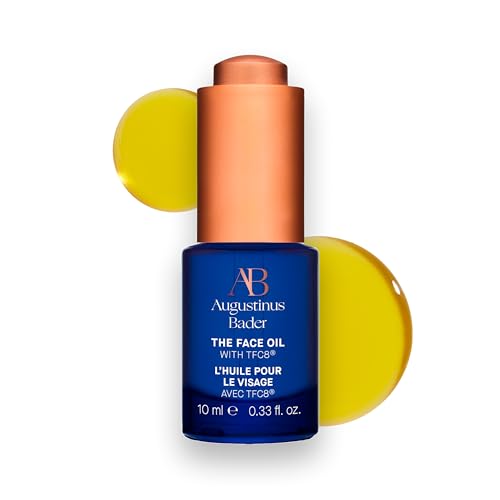
Augustinus Bader The Face Oil
The Face Oil is a fragrance-free prestige blend for someone who wants a formulated botanical experience rather than a single plant oil. Ingredients such as jojoba, argan, and babassu create a broader ingredient decision. I would compare it with plain oils through your preference for complexity and the finish you actually enjoy.
Fragrance-free does not mean every botanical component will suit every face, and raw materials may have a subtle natural aroma. Choose the bottle when the particular blend and premium experience are wanted. If a simpler formula already feels comfortable, there is no need to upgrade merely because the routine has a sensitive-skin focus.
Price on Amazon
Paula’s Choice Moisture Renewal Oil Booster
Moisture Renewal Oil Booster is useful when a cream you tolerate needs a little more emollience on certain evenings. Its nonfragrant plant-oil blend and ceramides give it a defined enrichment role. That makes it a practical alternative to replacing the moisturizer or adding a new treatment oil.
Use it as directed, preparing only an immediate-use mixture with a suitable cream if you choose that method. Keep sunscreen separate and unaltered. I would buy this for flexibility: a small boost when wanted, with the familiar moisturizer retained as the foundation of the routine.
Price on Amazon
Dr. Barbara Sturm Ceramide Drops Face Oil
Ceramide Drops supplies another prestige formulation direction with botanical oils, oat lipids, and ceramide NP. It is relevant when you want a coordinated facial-oil booster rather than a basic carrier oil. The full blend remains the purchase, so a preferred headline ingredient should not distract from other components you avoid.
I would consider it for someone who values that formulation and its premium routine experience. A ceramide ingredient does not make an oil the same as a complete moisturizer. Assess whether the extra layer adds comfort, whether the formula suits your preferences, and whether the luxury format is worth buying for the amount you will use.
Price on AmazonFinal Comparison of the Nine Face Oils
| Product | Best For | Formula Direction | Routine Role | Consideration | Price |
|---|---|---|---|---|---|
| Bio-Oil Original Skincare Oil | Conditional Classic | Original scented mineral-oil blend | Optional emollient finishing step | Fragrance and aromatic ingredients | Price on Amazon |
| Handcraft Blends USDA Organic Jojoba Oil | Organic Versatility | Single organic jojoba oil | Optional emollient finishing step | Choose one jojoba format | Price on Amazon |
| Yoken Organic Jojoba Oil | Jojoba Alternative | Single organic jojoba oil | Optional emollient finishing step | Similar purpose to other jojoba oils | Price on Amazon |
| Leven Rose Organic Jojoba Oil | Focused Jojoba | Single cold-pressed jojoba oil | Optional emollient finishing step | Personal tolerance still matters | Price on Amazon |
| Badger Rose Face Oil | Aromatic Option | Botanical blend with essential oils | Optional emollient finishing step | Lavender, rose, and chamomile oils | Price on Amazon |
| SAPHUS Lightweight Face Oil | Squalane Blend | Squalane, jojoba, and rosehip blend | Optional emollient finishing step | A blend rather than pure squalane | Price on Amazon |
| Bubble Float On Soothing Facial Oil | Facial Blend Favorite | Fragrance-free botanical facial blend | Optional emollient finishing step | Multiple botanical oils to assess | Price on Amazon |
| NOW Solutions Grapeseed Oil | Plain Grapeseed | Single grapeseed oil | Optional emollient finishing step | No guaranteed acne compatibility | Price on Amazon |
| Botanical Beauty Rosehip Seed Oil | Rosehip Simplicity | Single rosehip seed oil | Optional emollient finishing step | Distinct from rose essential oil | Price on Amazon |
A Calm Routine Around Your Face Oil
An optional oil is easiest to assess when your skin is already comfortable with the basic routine. That may mean keeping the familiar cleanser, moisturizer, and daytime sunscreen unchanged while deciding whether a final emollient layer is wanted. If those basics are currently causing discomfort, a new oil is unlikely to make the routine easier to understand. Resolve the foundation before asking another cosmetic product to compensate.
Plain oils do not require a creative mixing project. Handcraft Blends, Yoken, Leven Rose, NOW Solutions, and Botanical Beauty can be considered through their individual botanical identities. Adding essential oils changes the ingredient decision and removes the simplicity that made the carrier oil attractive. For a face that dislikes aromatic ingredients, use the plain oil as intended rather than turning it into a scented homemade formula.
A blended face oil calls for the same restraint in a different form. Bubble or SAPHUS can be assessed with a modest quantity and familiar products underneath. Notice whether the result improves the feel of dry areas or simply creates extra shine. You do not need to apply the oil everywhere to give it a fair place in the routine, and you do not need to use it every day to find it useful.
The three jojoba options should also remain alternatives to one another. Owning several bottles with the same core ingredient is unlikely to create several distinct facial-care functions. Choose through convenience and genuine multipurpose usage, then keep the decision focused on whether jojoba itself is welcome. If it is not, a different ingredient is a more meaningful comparison than another bottle with the same ingredient name.
For an evening ritual, pleasure still matters. A comfortable product that you enjoy dispensing and applying may be easier to keep using than one that feels awkward or overly slick. That pleasure does not require fragrance. It can come from a quiet, simple final step and a softer surface. A scented oil should enter the routine because its actual ingredients are welcome, not because luxury skincare is assumed to need an aroma.
Make the endpoint comfort rather than a dramatic visual promise. If the skin feels good with cream alone, skip the extra layer. If an oil suits the cheeks but not the forehead, use it selectively. If a product causes persistent redness, itching, or burning, stop and reassess rather than applying more to finish the bottle. Ongoing painful, cracked, or inflamed skin deserves professional attention; these recommendations concern cosmetic oil choices, not diagnosis or treatment.
My Final Recommendation
My first main choices are Leven Rose for focused jojoba care, Bubble Float On for a fragrance-free facial blend with clear after-moisturizer placement, and SAPHUS for a squalane-and-botanical blend. Choose between those roles before comparing the presentation. Handcraft Blends and Yoken are other jojoba options, while NOW Solutions and Botanical Beauty offer grapeseed and rosehip directions.
For a prestige single oil, Drunk Elephant Virgin Marula is the strongest alternative I would consider here. Augustinus Bader, Paula’s Choice, and Dr. Barbara Sturm offer more formulated or booster-oriented comparisons. Original Bio-Oil and Badger’s rose blend remain conditional choices for readers who already tolerate their aromatic ingredients; they are not my leading recommendations for fragrance avoidance.
A good purchase leaves you with one clear optional step. Keep the moisturizer you tolerate, apply a restrained amount where useful, and let your own ingredient history guide the shortlist. Luxury is welcome when you enjoy it, but comfortable skin does not require the most expensive or most botanical-rich bottle.
Frequently Asked Questions
What is your first main face-oil shortlist for sensitive skin?
Leven Rose is my focused jojoba choice, Bubble Float On my dedicated facial-blend favorite, and SAPHUS my squalane-blend direction. Each serves a different preference. None is a guarantee of universal tolerance, so ingredient history and the existing routine still matter.
Are all nine oils fragrance-free?
No. Original Bio-Oil contains fragrance and aromatic botanicals. Badger’s rose blend includes rose, lavender, and Roman chamomile oils. Their reviews are conditional comparisons, and they are not my first shortlist for someone who avoids aromatic ingredients.
Is rosehip seed oil the same as rose essential oil?
No. Botanical Beauty’s rosehip seed oil is a botanical emollient, while rose essential oil supplies an aromatic ingredient in a blend such as Badger’s. Judge the actual formula instead of treating every product with rose in its name as identical.
Why are three jojoba oils included?
They provide alternatives for different practical purchase preferences within the same core ingredient category. Choose one through the format and uses you want. There is no need to layer three jojoba oils or assume that changing brands creates a new facial-care function.
Does organic jojoba guarantee that sensitive skin will tolerate it?
No. Organic certification and personal ingredient tolerance answer different questions. A single botanical oil may suit your preference for simplicity, but the ingredient can still be unsuitable for an individual. Use your previous ingredient experience to guide the purchase.
Is Bubble Float On a replacement for moisturizer?
I would keep moisturizer in place. Float On has an after-moisturizer role, with a small layer allowed one to two minutes to settle. Treat it as an optional emollient addition rather than assuming it supplies every function of a complete cream.
Is SAPHUS a pure squalane oil?
No. It is a facial blend with squalane, jojoba, and rosehip. Consider the complete formulation rather than choosing only through the squalane name. If a particular botanical is unwelcome, a blend containing it should not be assumed suitable.
Can a pure oil replace a retinol treatment?
No. A plain jojoba, grapeseed, or rosehip oil serves an emollient cosmetic purpose. It is not equivalent to a retinol product with a declared concentration. Keep treatment decisions separate from buying an optional oil for softness and finish.
Can I mix an oil into sunscreen?
No. Keep sunscreen unaltered and apply it as directed. If an oil does not fit comfortably into the morning layers, reserve it for evenings. A useful beauty product does not need to work in every routine setting.
Should I add essential oils to a plain carrier oil?
For this sensitive-skin shopping purpose, I would keep the carrier oil plain. Adding aromatic ingredients changes the purchase’s ingredient simplicity. There is no need to create a homemade scented blend to make jojoba or grapeseed relevant to a cosmetic routine.
How should I approach an unfamiliar oil?
Introduce it individually while keeping other skincare familiar. Follow the product instructions and assess a small area cautiously before broader use. A preliminary test does not promise universal compatibility. Stop using the product if it causes a reaction.
When is another facial oil the wrong next step?
If you have persistent burning, painful cracking, an unexplained rash, or recurring irritation, seek individual professional advice rather than cycling through more cosmetic oils. A tolerated basic routine should come first. Optional oil is for a defined cosmetic role on comfortable skin.
Read More Beauty Articles
More reads from our Skincare collection, selected for their related topics and keywords.

Best Luxury Face Oils for Dry Skin: 10 Picks
The best luxury face oils for dry skin earn their place through the way they finish a routine: a softer surface, less drag when applying…
Read More
Best Luxury Squalane Oils
The most appealing thing about squalane is that it does not ask for a complicated beauty ritual. A small oil step can sit quietly beside…
Read More
Best Luxury Serums for Sensitive Skin
Sensitive skin makes me value restraint more than an impressive ingredient count. I want one serum with one understandable job, introduced slowly enough that warmth,…
Read More
Best Luxury Face Masks for Dull Skin
Dull-looking skin does not always need a stronger treatment. Sometimes the face looks flat because the daily routine leaves it feeling dry. Sometimes the surface…
Read More
Best Luxury Face Masks for Dry Skin
A dry-skin mask should make the evening feel easier. It might be a cool sheet that stays in place while you sit quietly, a creamy…
Read More
Best Luxury Toners for Sensitive Skin: 7 Picks
Shopping for a luxury toner becomes a different exercise when your skin is easily unsettled. The loveliest bottle and the most elaborate botanical story may…
Read More
Best Luxury Face Serums for Every Skin Type
A luxury face serum earns its place in my kit only when it improves the skin and respects the makeup that follows. A formula can…
Read More
Best Luxury Skincare for Sensitive Skin
Sensitive skin makes restraint a luxury: predictable texture and a short ingredient stack often matter more than novelty. For the best luxury skincare for sensitive…
Read More